In the architecture of high-performance motorcycles, the instrument cluster serves as the primary gateway for real-time telemetry. The transition from the 2016 CBR1000RR (SC59) to the 2017 model (SC77) introduced a full-color TFT display that represents a fundamental shift in data communication. For engineers and enthusiasts, the question is essential:
Can you retrofit a 2017 CBR1000RR TFT speedometer onto a 2016 frame? The answer involves a complex synthesis of physical mounting and advanced digital signal translation.
1. The Generational Gap: SC59 vs. SC77 Architecture
To understand the difficulty of this retrofit, we must identify the shift in electronic protocols between generations:
*
SC59 (2016): Utilizes a hybrid of analog and digital discrete signals. The ECU (Engine Control Unit) sends individual pulses for RPM, speed, and coolant temperature directly to the cluster pins.
*
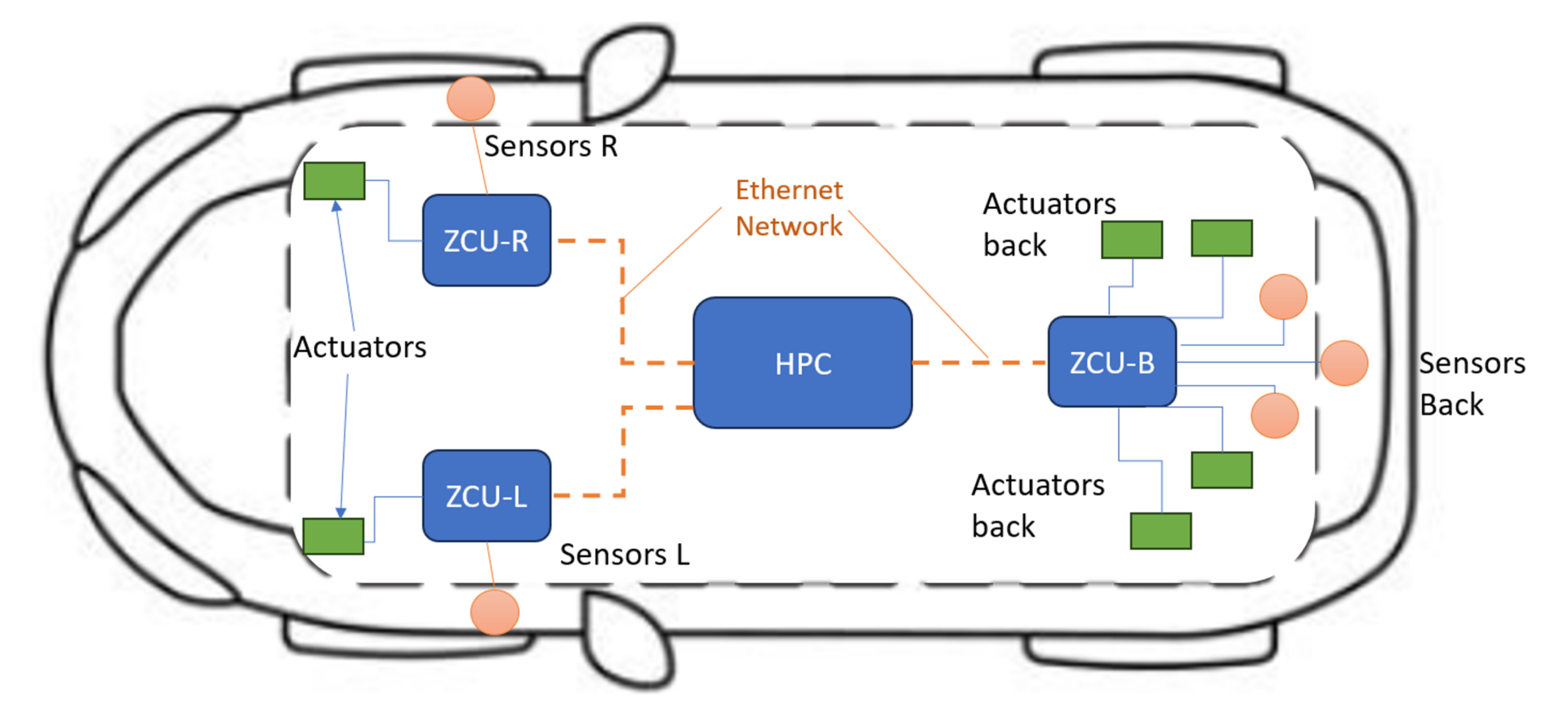
SC77 (2017): Operates on a
CAN-bus (Controller Area Network). The dashboard acts as a digital node, receiving compressed data packets that it must 'unpack' to visualize performance metrics.
2. Physical and Electrical Obstacles
*
Mounting Interfaces: The 2017 TFT unit is significantly more compact than the 2016 assembly. Retrofitting requires a custom-fabricated fairing stay or 3D-printed adapter to secure the unit within the SC59 cockpit.
*
Connector Pinouts: The physical harness for the 2016 model utilizes a high pin-count connector for discrete wires, whereas the 2017 unit uses a simplified connector primarily for Power, Ground, and the CAN-High/CAN-Low data lines.
3. Digital Translation: The Microcontroller Bridge
Plugging a 2017 dash into a 2016 harness results in zero data visualization because the dash is looking for a data string that the 2016 ECU does not generate. To solve this, a 'Signal Bridge' is required:
*
Logic Ingestion: An intermediary microcontroller (e.g., Arduino or Teensy) must be programmed to read the 2016's discrete frequency pulses (RPM and Speed).
*
Packet Encoding: The microcontroller then encodes these values into a CAN-bus data frame that matches Honda’s proprietary SC77 protocols.
4. Alternative: The Aftermarket Telemetry Route
For many riders, the technical complexity of 'hacking' the OEM Honda CAN-bus is bypassed by using professional racing displays (e.g., AiM MXS or I2M Chrome). These units are designed to accept both discrete analog inputs and CAN-bus streams, offering a 'plug-and-play' path to a modern TFT interface without the need for custom firmware development.
Conclusion
Retrofitting a 2017 TFT speedometer onto a 2016 CBR1000RR is a sophisticated exercise in electronic signal translation. While the hardware can be physically adapted, the true challenge lies in bridging the gap between legacy discrete signals and modern CAN-bus data packets. By utilizing microcontroller automation or professional racing telemetry, enthusiasts can effectively modernize the Fireblade cockpit for the digital era.