1. The Anatomy of an Approximation
To understand why a speedometer lacks surgical precision, we must identify the data source. Modern vehicles utilize a Vehicle Speed Sensor (VSS), typically a Hall Effect sensor mounted on the transmission output shaft.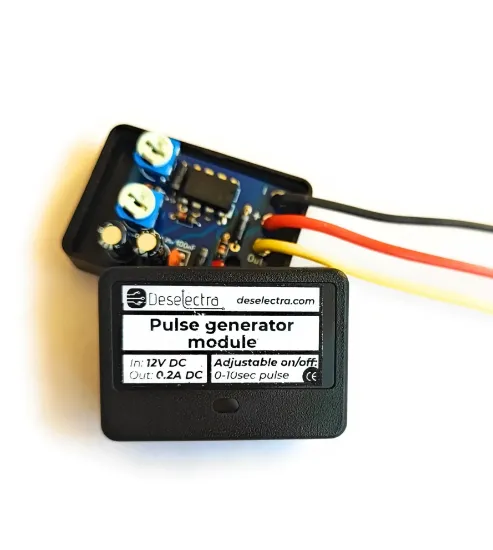
This sensor generates a digital pulse train proportional to the rotational frequency ($f$) of the drivetrain. The Engine Control Unit (ECU) counts these pulses and converts them into a velocity reading based on a hard-coded constant representing the tire's circumference. If the physical tire does not match the software's constant, the speedometer display becomes non-deterministic.
2. The Tire Factor: The Silent Accuracy Killer
Since the vehicle calculates speed based on rotations per mile, any deviation in the tire's outer diameter ($d$) alters the linear distance covered per revolution ($C = \pi d$).
Tire Wear: A new tire with 10/32" tread has a larger diameter than a worn tire at 2/32". As tread depth decreases, the tire covers less ground per rotation, causing the speedometer to report a velocity higher* than the actual ground speed. * Inflation Pressure: Under-inflated tires exhibit increased sidewall deflection, effectively lowering the rolling radius. This creates a discrepancy where the rotational speed of the hub increases relative to the vehicle's forward progress. * Aftermarket Customization: Increasing wheel size (e.g., transitioning from 17" to 19" rims) without recalibrating the ECU pulse-constant results in the speedometer under-reporting actual velocity, often leading to unintended regulatory violations.
3. The 'Safety Buffer' and Regulatory Compliance
Automotive manufacturers often calibrate speedometers to be intentionally 'optimistic.' In many jurisdictions, including the EU and UK, it is a legal requirement that a speedometer must never indicate a speed lower than the actual vehicle velocity. To ensure compliance across various tire brands and wear states, manufacturers build in a 2–5% buffer. Consequently, the dashboard usually presents a conservative estimate, keeping the driver slightly below the reported speed.4. Telemetry Verification: GPS vs. VSS
For professionals requiring absolute velocity data, external telemetry solutions offer a 'Ground Truth': * GPS Doppler Shift: High-frequency GPS trackers calculate velocity based on the time-of-flight between satellite coordinates. Unlike the VSS, GPS is independent of tire wear and gear ratios. * OBD-II Data Extraction: Using a diagnostic scanner, engineers can query the 'Raw Speed' PID (Parameter ID). Often, the ECU knows the actual speed, but the dashboard filters that data to include the manufacturer's safety buffer.Conclusion
A car speedometer is a cautious estimator, not a laboratory-grade instrument. By understanding the relationship between rotational pulses and tire physics, engineers can better interpret the delta between indicated speed and true velocity. Maintaining proper tire pressure and utilizing OBD-II diagnostics are the primary methods for ensuring that your vehicle's telemetry remains as accurate as its mechanical limitations allow.