SPEED TRACKING
2026-02-22
Beyond the Needle: Are GPS Speedometers Actually Any Good for Modern Tech Enthusiasts?
In high-precision vehicle monitoring, the gap between the dashboard and GPS reveals the conflict between digital telemetry and mechanical estimation. To master your data, you must identify the 'ground truth' within the signal noise.
1. Hard-Coded Compliance: UN ECE R39
Manufacturers prioritize legal immunity over precision. By implementing a
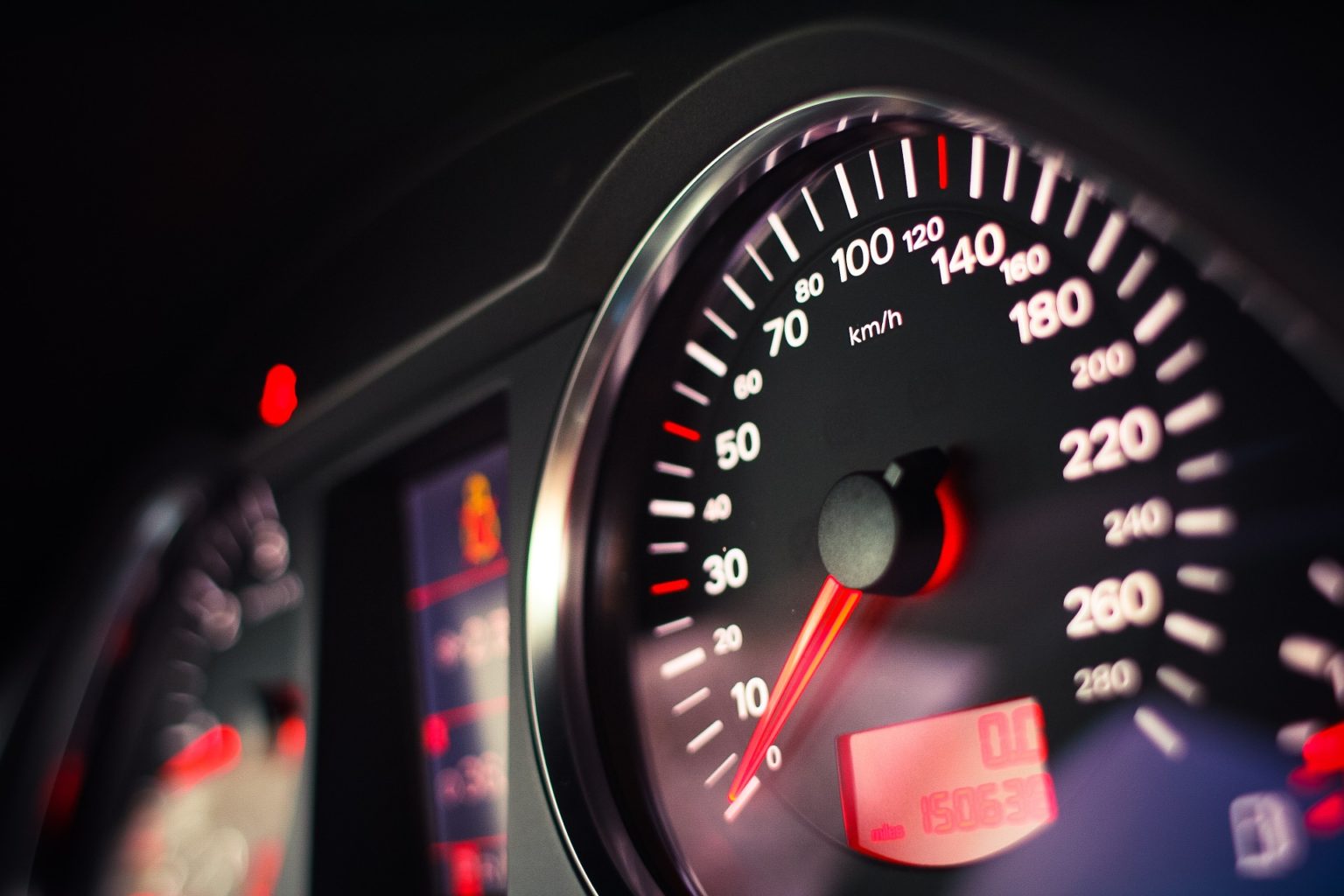
+2% to +5% software buffer, they ensure indicated speed is never lower than true velocity. GPS speedometers bypass this offset, utilizing satellite Doppler shifts to provide an independent 'Source of Truth'.
2. Engineering Data Fidelity
To eliminate latency, the gold standard for 2026 is the
10Hz refresh rate. This high-frequency sampling minimizes the 'lag' inherent in older 1Hz units, allowing for seamless integration into automation ecosystems and more accurate performance logging.
3. The Future: Sensor Fusion
The next step in vehicle tracking is
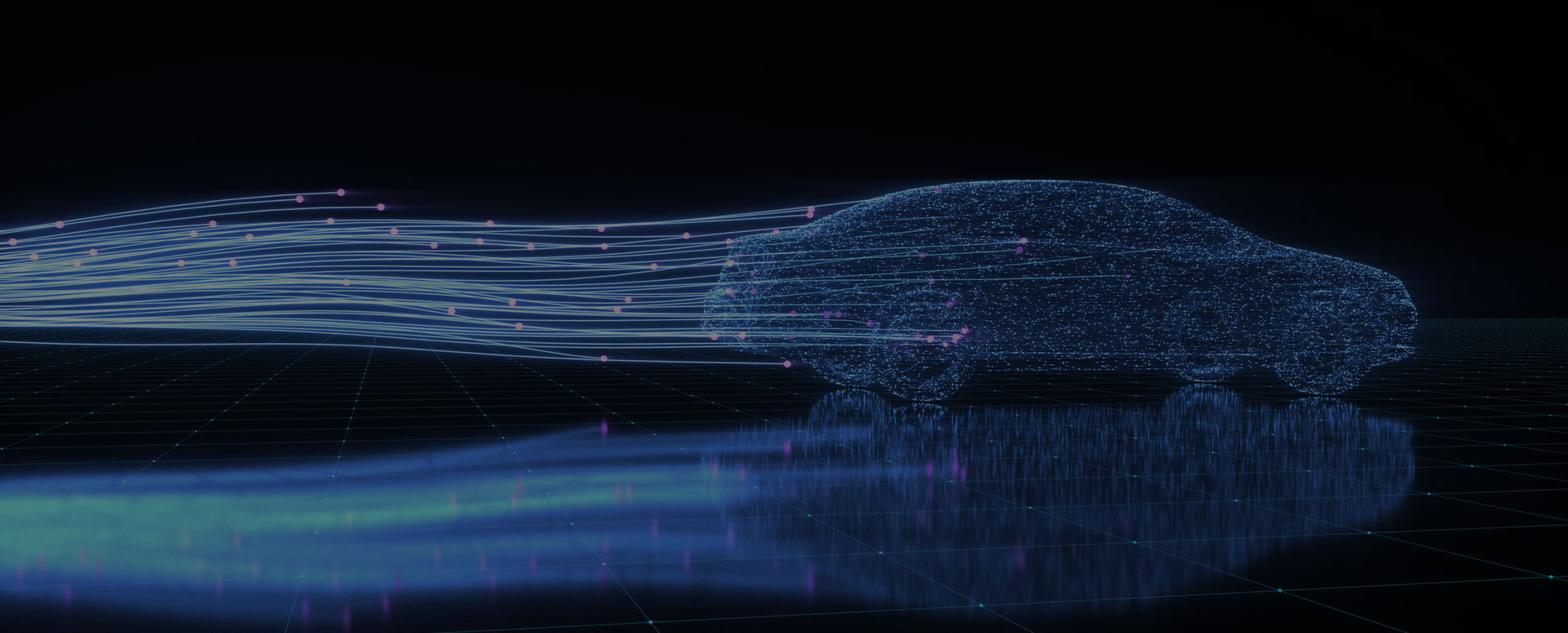
Sensor Fusion—reconciling GPS, IMU, and raw wheel-speed pulses. This creates a high-fidelity 'Digital Twin' of your drive, providing a sub-decimeter accurate record that analog-style gauges simply cannot represent.
Conclusion
Your speedometer is a safety-oriented interface, not a precision sensor. By transitioning to GPS-based telemetry and sensor-fusion tools, you can reclaim your data integrity and drive with an engineer’s absolute precision.