SPEED TRACKING
2026-02-12
Beyond the Dashboard: Are GPS Speedometers Legal and Should You Make the Switch?
In high-precision vehicle monitoring, the speedometer is an intentional anomaly—an instrument often tuned for 'optimistic' reporting. Identifying the legal and technical delta is essential for mastering modern vehicle telemetry.
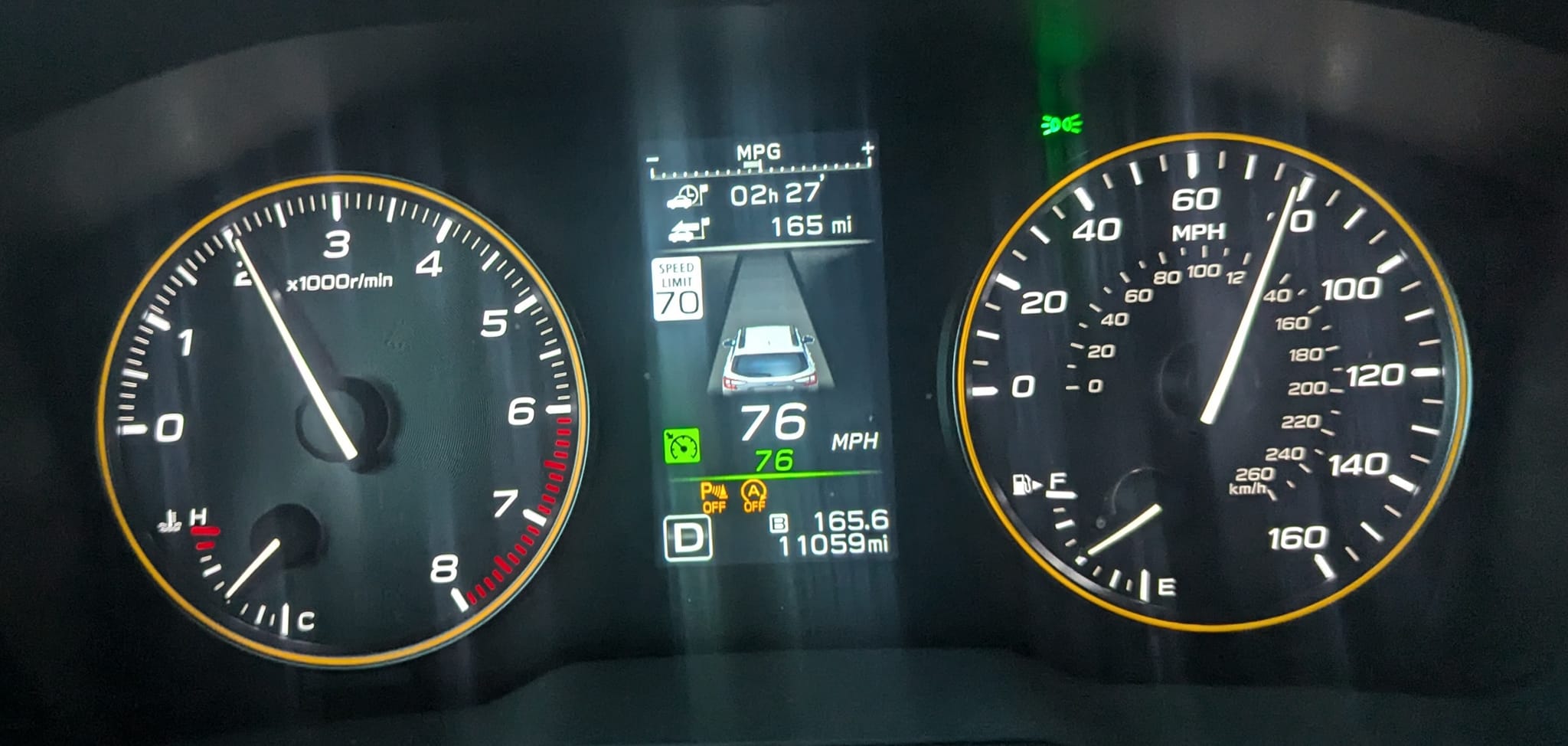
1. The Compliance Firewall
At the federal level,
FMVSS No. 101 mandates factory-installed speedometers for manufacturers, not individual drivers. While there is no federal ban on GPS monitoring, state-level inspections often require 'functional factory instrumentation.' A GPS unit provides ground truth but may not technically replace a dead OEM gauge in strict jurisdictions.

2. Logic Over Rubber
Mechanical speedometers are slave to the rolling radius, becoming inaccurate as tires wear or pressures fluctuate. GPS speedometers bypass this physical noise by utilizing satellite Doppler shifts. For data integrity, 10Hz or 20Hz refresh rates are the industry standard, eliminating the latency found in standard 1Hz consumer devices.

3. Engineering Ground Truth
GPS speedometers are legal for consumer use and offer superior precision for modified or classic vehicles. For mission-critical tracking, the gold standard is Sensor Fusion—integrating raw wheel pulses with absolute GNSS data to eliminate the 'ghosts' in the dashboard.
Conclusion
Your dashboard is a safety interface, not a precision sensor. By transitioning to GPS-based telemetry, you reclaim your data integrity and drive with an engineer’s absolute precision.