SPEED TRACKING
2026-02-07
The Speed Paradox: Are Bicycle Speedometers Accurate or Just Giving You the Runaround?
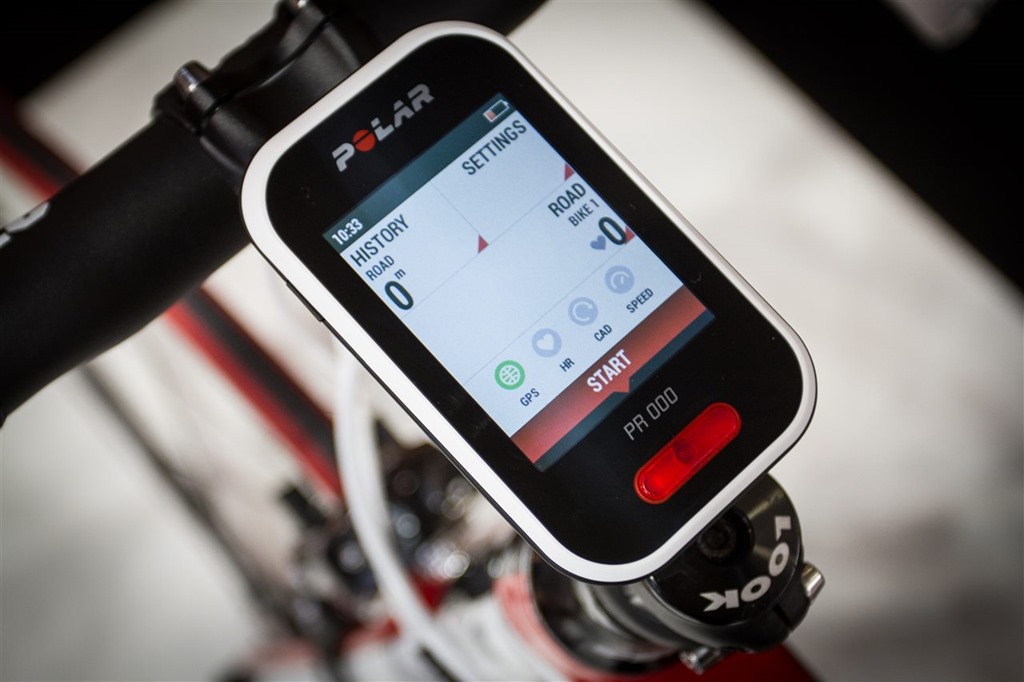
For modern cyclists, data drives performance. However, the accuracy of that data depends on the tech behind the handlebars. To ensure your metrics reflect reality, you must account for the gap between theoretical speed and ground truth.
1. Magnets vs. Satellites
*
Magnetic Sensors: These count wheel revolutions and offer incredible consistency in tunnels or forests. However, they are only as accurate as the user's wheel circumference input.
*
GPS Computers: While offering zero setup, GPS can suffer from 'signal drift' and sampling latency, especially on winding descents where it may 'cut corners' and underestimate velocity.
2. The 'Squish' Factor
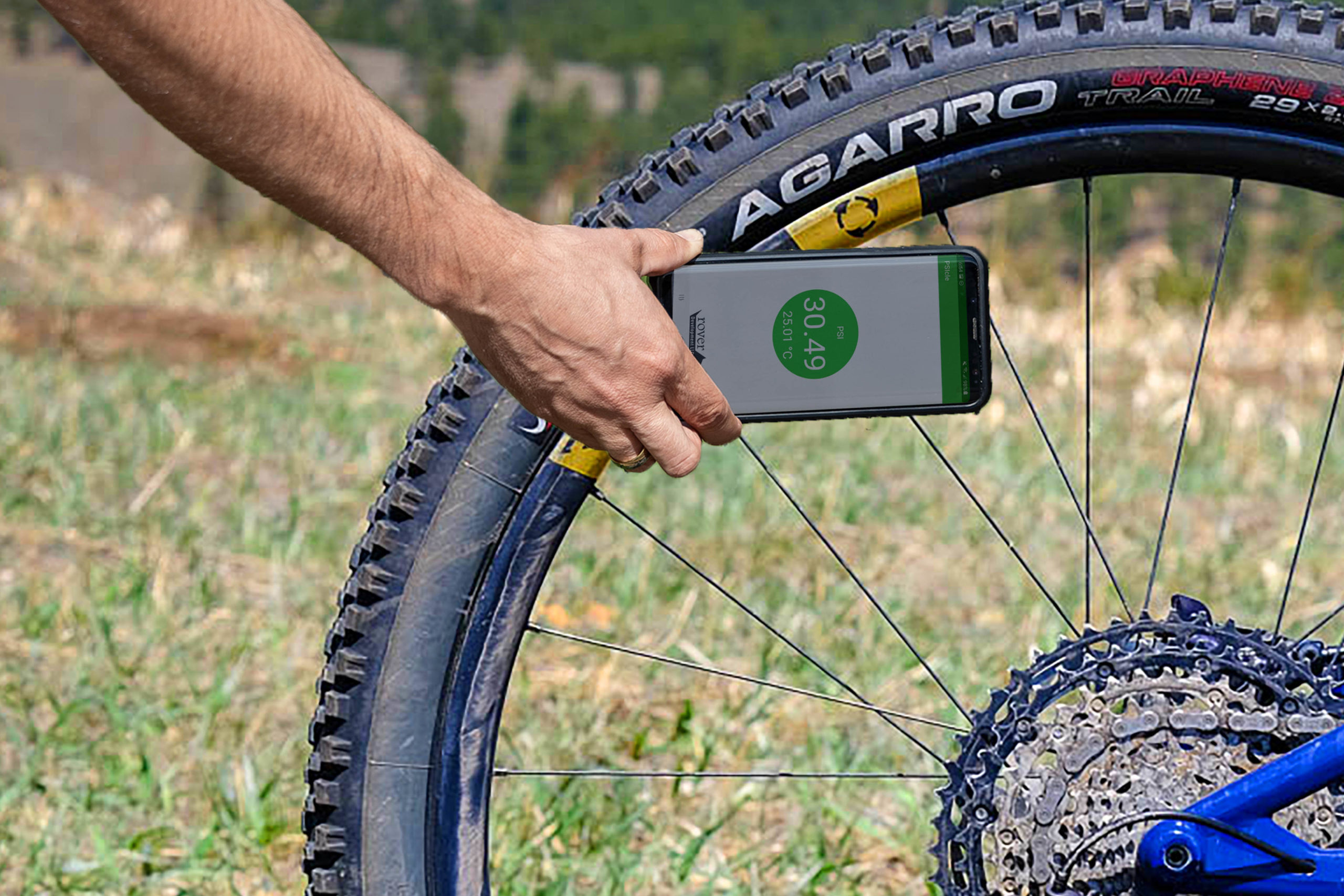
Tire pressure is a silent killer of precision. As tire pressure drops or rider weight increases, the
effective rolling radius changes. A micro-difference in circumference can lead to significant odometer discrepancies over long distances.
3. Professional Calibration through Sensor Fusion
The gold standard for tech-savvy riders is
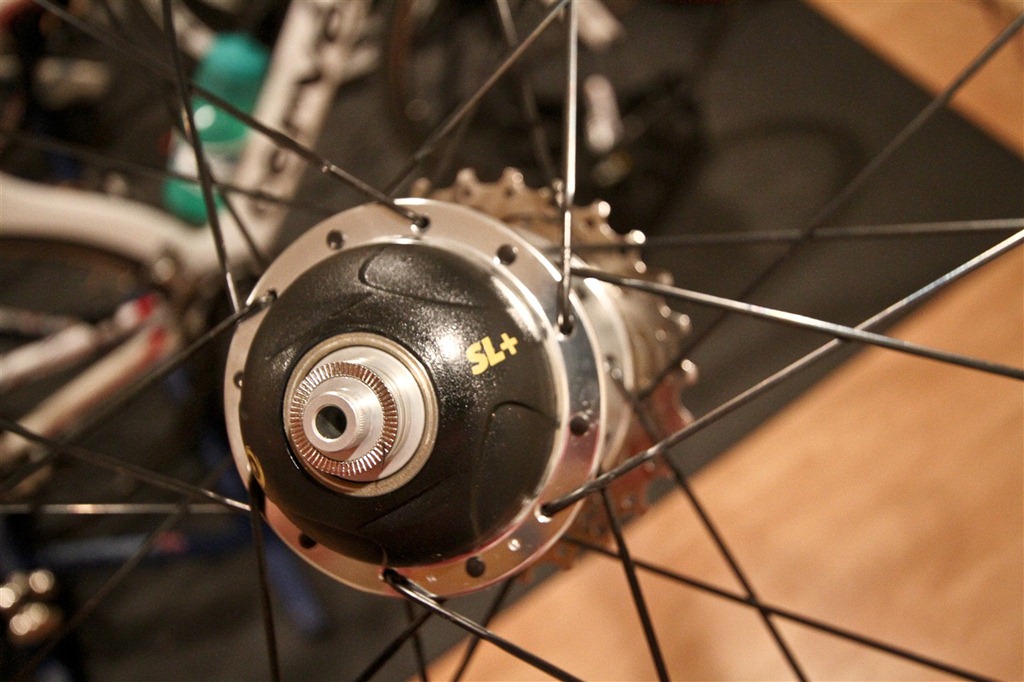
Sensor Fusion. High-end computers use GPS to track a straight road while counting wheel revolutions, utilizing an auto-calibration algorithm to find the wheel's precise circumference without a tape measure.
Conclusion
Are they accurate? GPS-only units are roughly 95-98% reliable, while a calibrated magnet-based sensor can reach 99.9%. For the best data fidelity, use a hybrid approach: a GPS head unit that automatically calibrates a hub-based speed sensor. This ensures your digital stats match your physical effort.