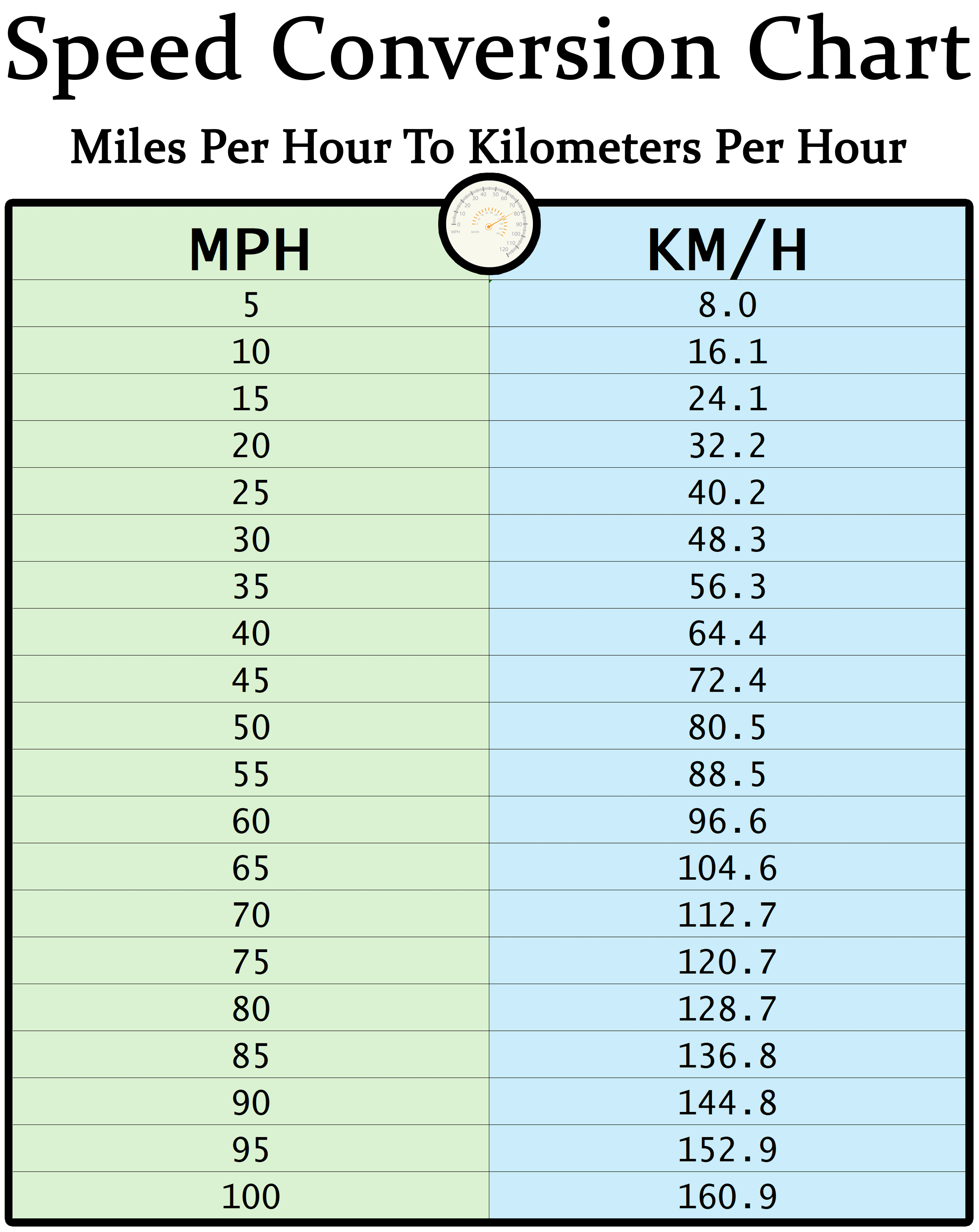
1. The Metric: What 20 m/s Really Means
While mph is the language of American roads, meters per second (m/s) is the gold standard for scientific calculation and backend algorithms.
* The Conversion: 20 m/s is approximately 44.7 mph (72 km/h). * The Logic: Algorithms thrive on consistency. Whether coding for drones or autonomous vehicles, working in m/s reduces errors when calculating braking distances, aerodynamic drag, and sensor latency.
2. Physical Speed and Digital Automation
A speed of 20 m/s is a continuous data stream rather than a static number.
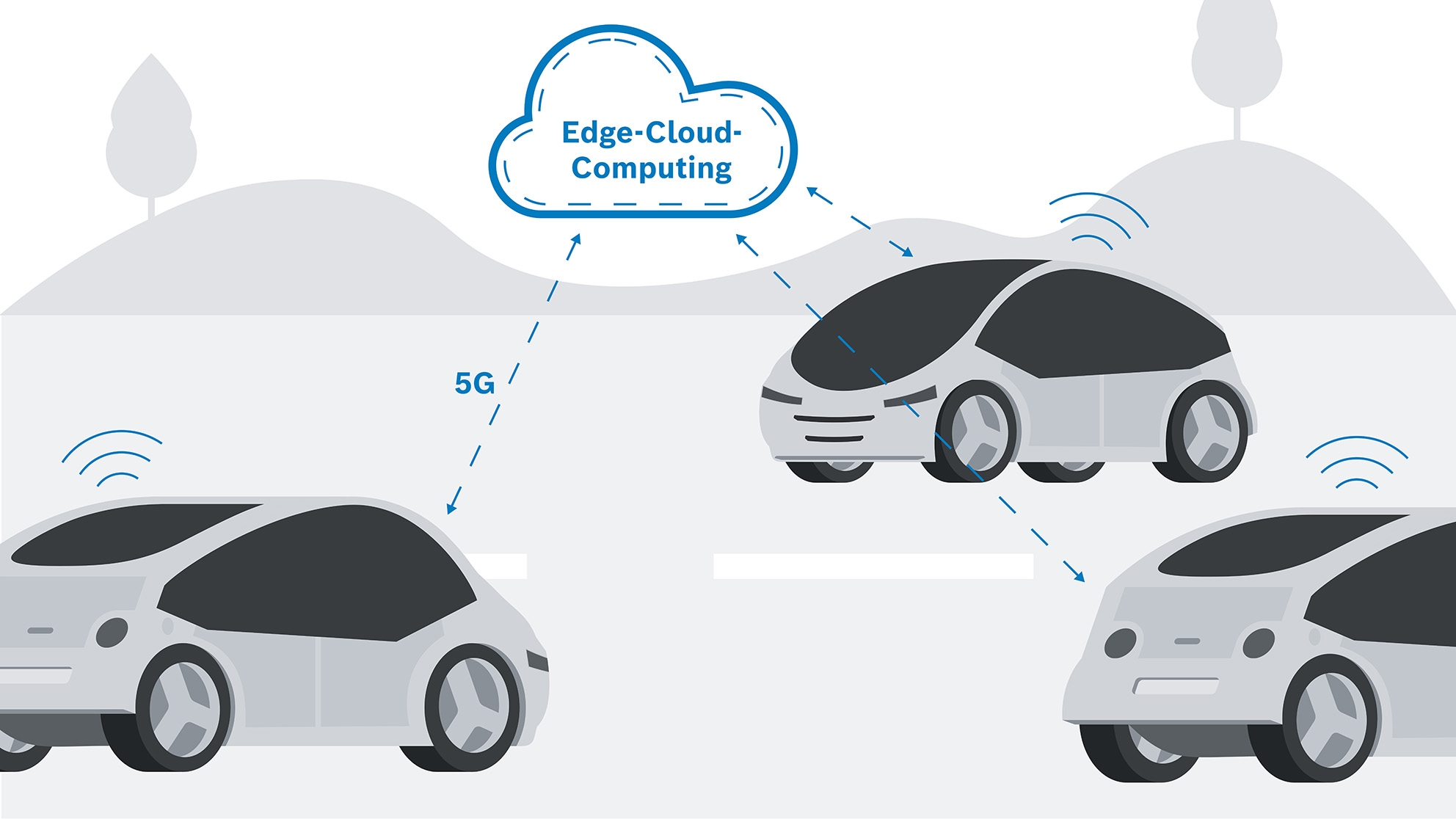
* Telematics & IoT: Modern fleet management uses OBD-II devices to automate reporting. If a car reads 20 m/s in a 10 m/s zone, an automated trigger can log the violation and alert managers instantly via cloud-based push notifications. * Data Management: In the industrial tech sector, automation scripts periodically scrape velocity data from proprietary dashboards. This bridges the gap between legacy non-API software and modern cloud-native databases.
3. Why Precision Matters: The Latency Factor
In high-stakes automation, the delta between 20 m/s and 21 m/s is massive. At 20 m/s, a car covers 20 meters every single second.
If your software has a 500ms lag, the car moves 10 meters (over 32 feet) before the system even processes the event. This is why Edge Computing—processing data directly on the vehicle hardware—is essential for collision-avoidance systems. Local processing eliminates the round-trip delay to a distant server.
4. The Future: Autonomous Perception
As we move toward Level 5 Autonomy, cars won't just 'read' 20 m/s; they will perceive it through a fusion of LiDAR, Radar, and Computer Vision. These systems will sync with smart city infrastructure, where traffic lights adjust based on oncoming velocity to create a 'Green Wave,' optimizing fuel efficiency and reducing urban congestion.
---
Summary
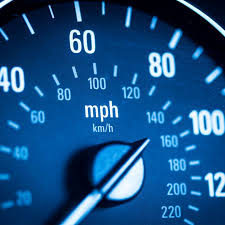
A speedometer reading 20 m/s is more than a metric; it is a critical input for the algorithms keeping our roads safe. By leveraging Python scripts and edge telemetry platforms, we transform raw speed into actionable intelligence.