1. Beyond the Average: The Power of 'T → 0'
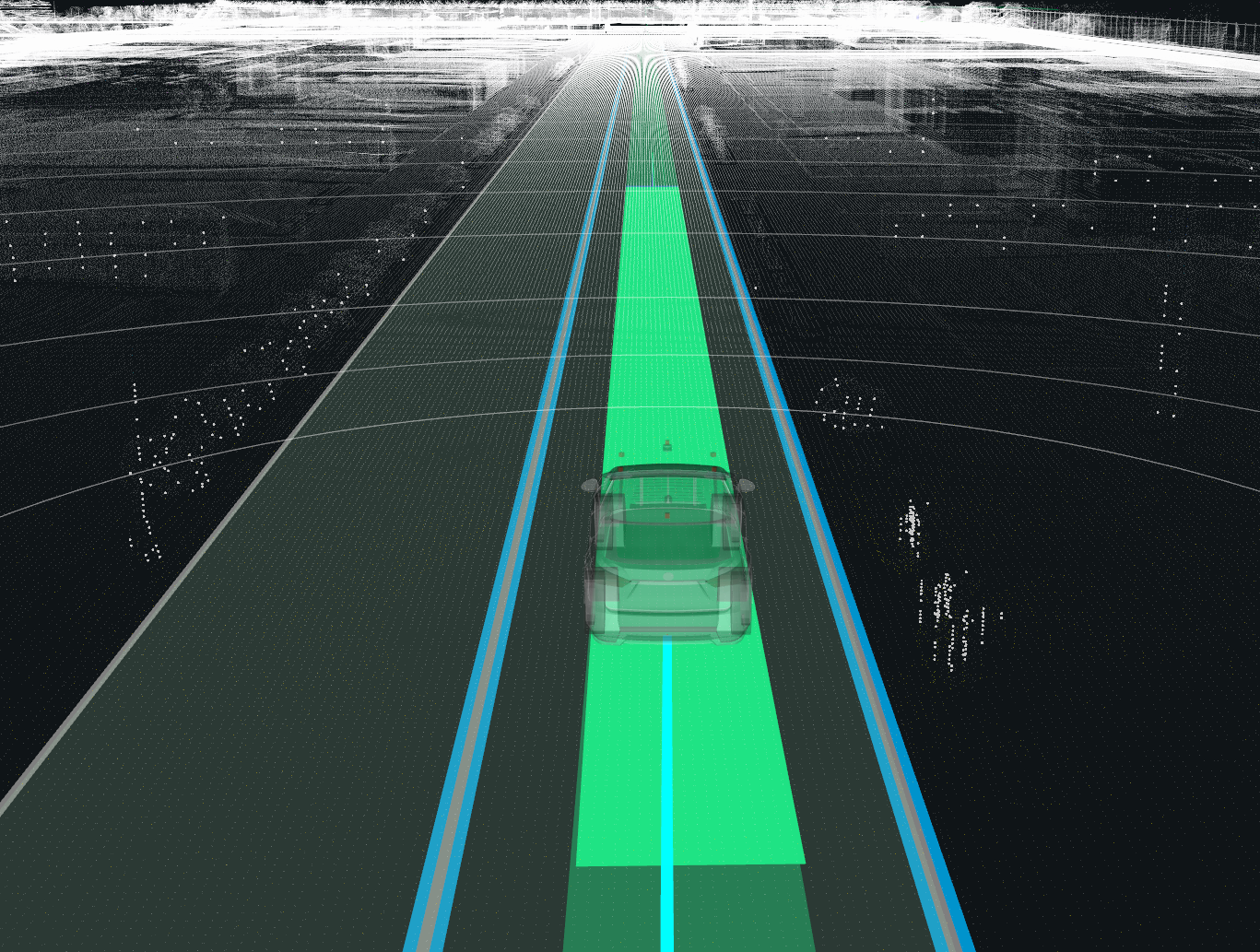
In data science, an average is a post-mortem; it tells you what happened. Instantaneous speed, however, is the mathematical limit of velocity as the time interval (T) approaches zero.
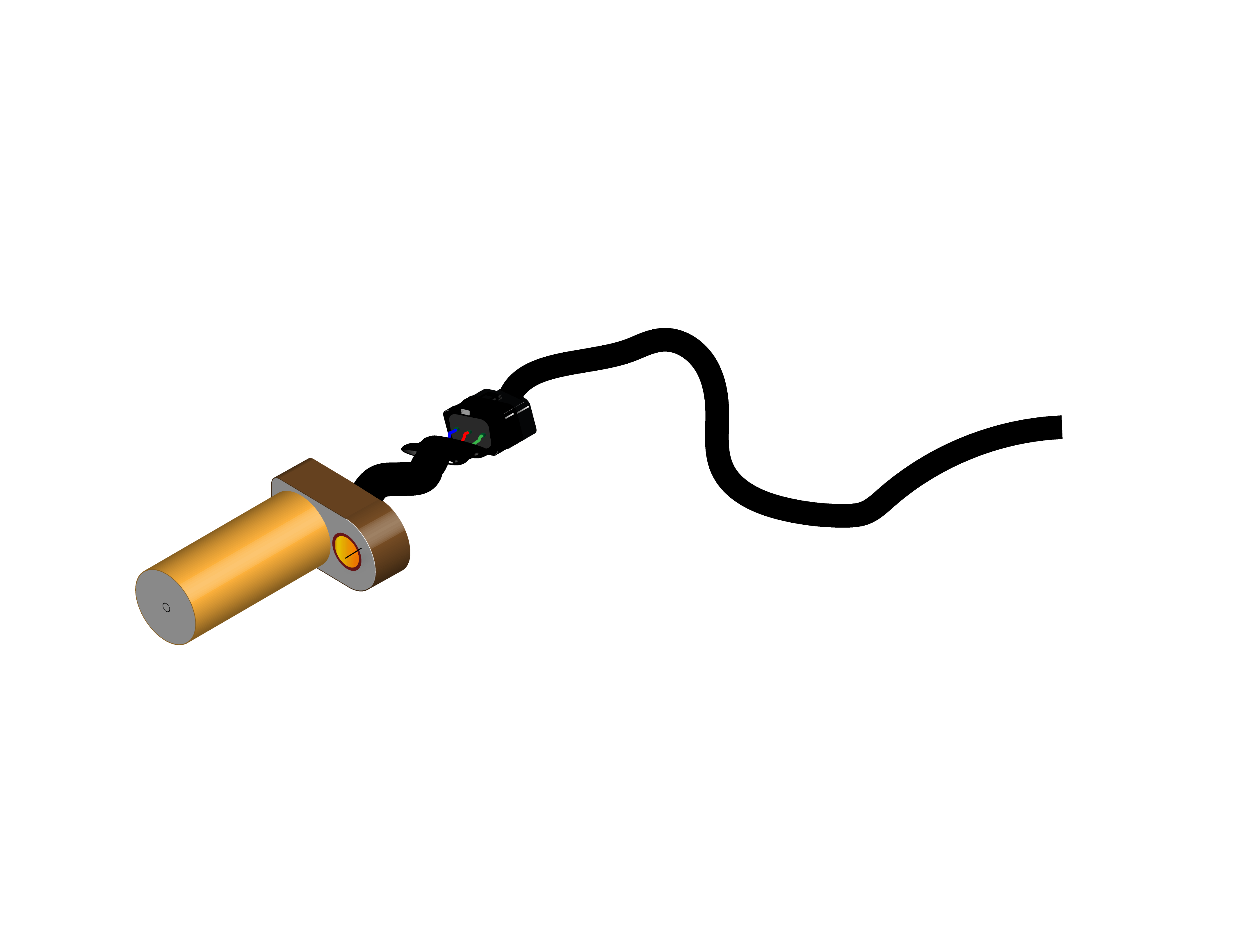
For a driver—or an automated braking system—average speed is a vanity metric. To navigate a curve or avoid a collision, the system needs to know the exact state of the vehicle in this millisecond. This high-frequency 'now' is the foundation of all real-time telemetry.
2. Sampling Frequency: The Tech Behind the 'Now'
How does a car capture a 'moment'? It’s all about the Sampling Rate.
Modern sensors (like Hall Effect sensors) don't see speed; they see pulses. The ECU counts these pulses over a tiny window—often less than 10 milliseconds. This high-frequency sampling ensures that the data on your screen is a near-perfect reflection of physical reality.
In software automation, we face the same challenge. If your auto-clicker or data-scraper samples the UI state at a low frequency, it becomes 'blind' to rapid changes, leading to broken workflows and desynchronized actions.
3. The Automation Feedback Loop
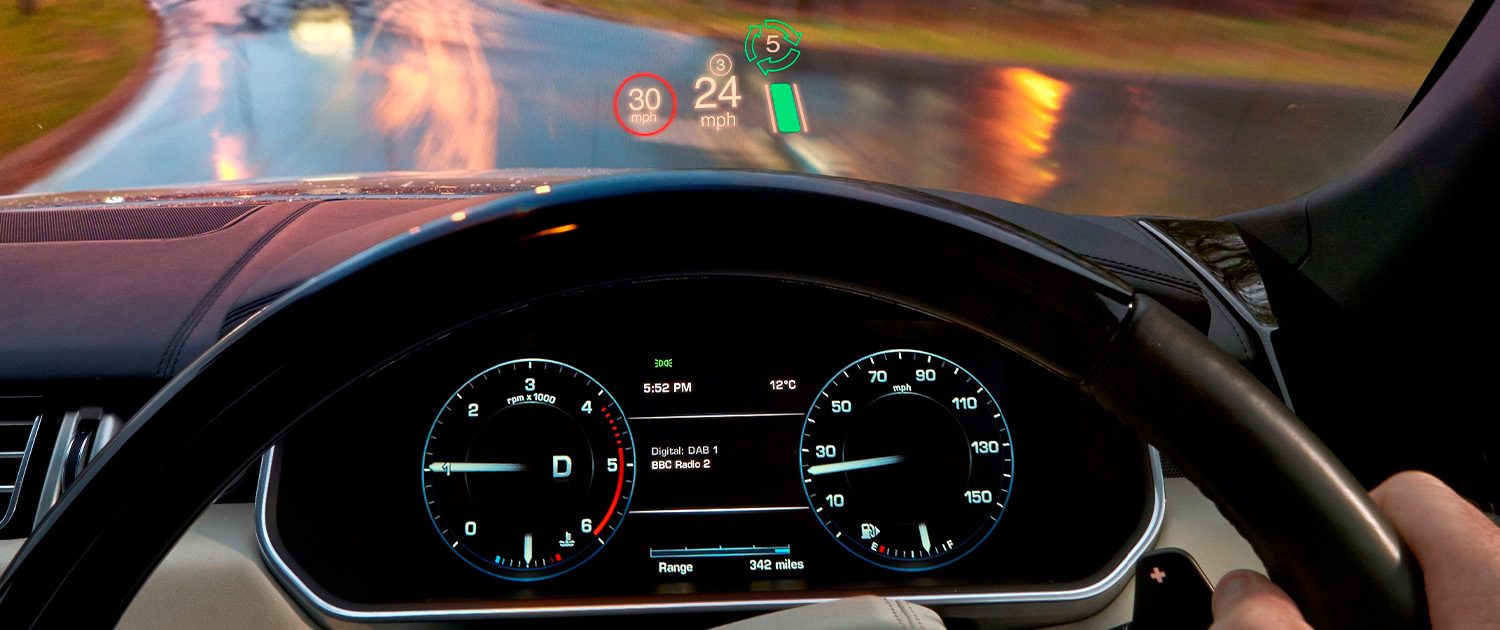
The speedometer is the primary input for the car’s Feedback Loop. Systems like Cruise Control or Electronic Stability Control (ESC) use the instantaneous reading as a 'Set Point.'
* The Trigger: The sensor detects a drop in instantaneous speed. * The Adjustment: The automation loop calculates the error and increases throttle input instantly.
This is exactly how sophisticated tech automation should function. Instead of running a linear list of commands, the script should 'poll' the environment’s instantaneous state and adjust its velocity in real-time, just like an ECU manages an engine.
4. Building Observability into Your Workflow
To apply 'speedometer logic' to your tech stack, focus on Observability rather than just logging:
* Live Dashboards: Move away from 'Tasks per Hour' and start monitoring 'Processing Latency per Action.' * Dynamic Throttling: Program your automation tools to slow down or speed up based on instantaneous server response times. * Sub-second Triggers: If your process depends on timing, your monitoring frequency must be at least double the speed of the events you are trying to capture.
Conclusion
A car's speedometer reads instantaneous speed because the microsecond is where control lives. Whether you are tuning a vehicle or optimizing a suite of automation scripts, success depends on your ability to capture, process, and react to the present moment with near-zero latency.