SPEED TRACKING
2026-02-08
The Speedometer Illusion: Why Your Dashboard Might Be Lying to You
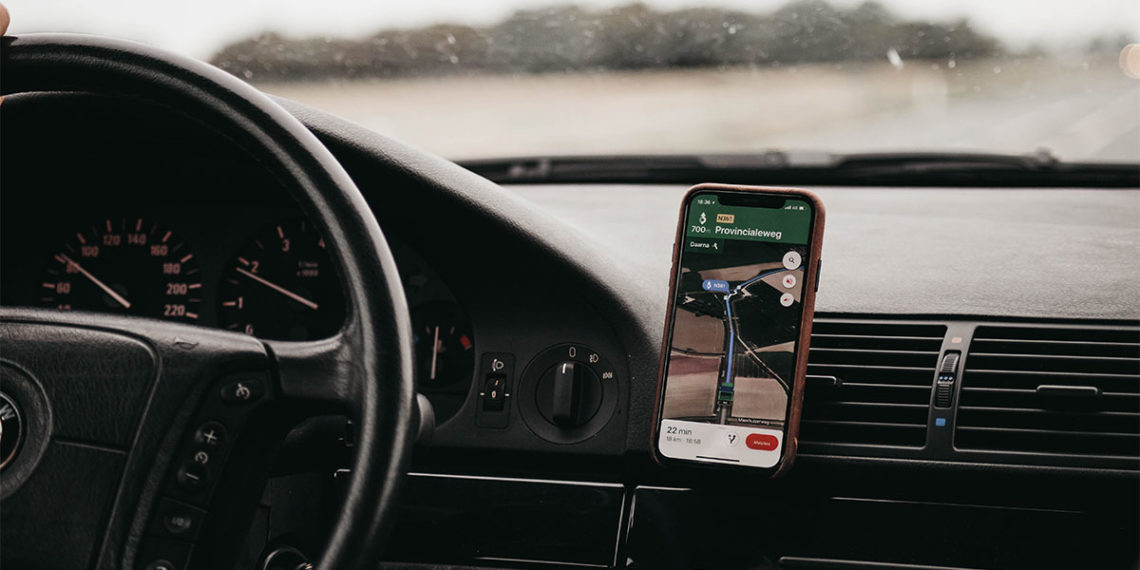
We treat the dashboard as an absolute source of truth, yet a simple comparison with GPS often reveals a gap. The reality is that speedometers are rarely 100% precise due to deliberate engineering and physics.
1. The Legal Safety Buffer
Under regulations like
ECE-R39, speedometers are forbidden from showing a speed lower than the actual velocity. Manufacturers calibrate them to read slightly higher (typically by a 5-10% margin) to shield themselves from legal liability regarding speeding tickets.
2. Tire Geometry and Speed Errors
Cars calculate speed based on wheel RPM multiplied by the assumed tire circumference.
*
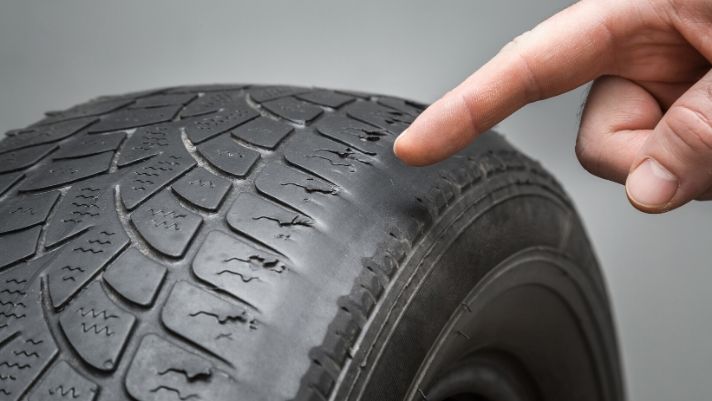
Wear and Pressure: As tread wears down or air pressure drops, the tire's rolling radius decreases. The tire spins faster to maintain pace, causing the speedometer to over-report speed.
*
Modifications: Swapping to larger aftermarket wheels without ECU recalibration causes the speedometer to under-report, which can lead to accidental speeding.
3. GPS vs. Dashboard
GPS measures time-of-flight between coordinates, making it highly accurate for constant speeds on flat ground. However, the dashboard speedometer wins for
instantaneous response, as it is directly linked to the drivetrain and unaffected by satellite latency or signal blockages.
4. Precision Through Sensor Fusion
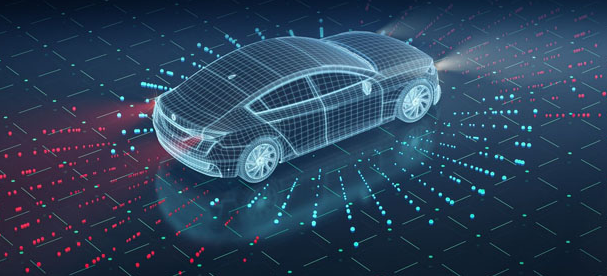
Modern vehicle automation suites use
Sensor Fusion—cross-referencing data from wheel sensors, GNSS, and Inertial Measurement Units (IMUs) to eliminate the vagueness of traditional analog gauges.
Conclusion
The number on your dash is a deliberate over-estimation for the sake of safety. While GPS provides 'ground truth,' the dashboard offers real-time feedback. Understanding this gap allows drivers and tech enthusiasts to better interpret the performance data of their high-tech vehicles.