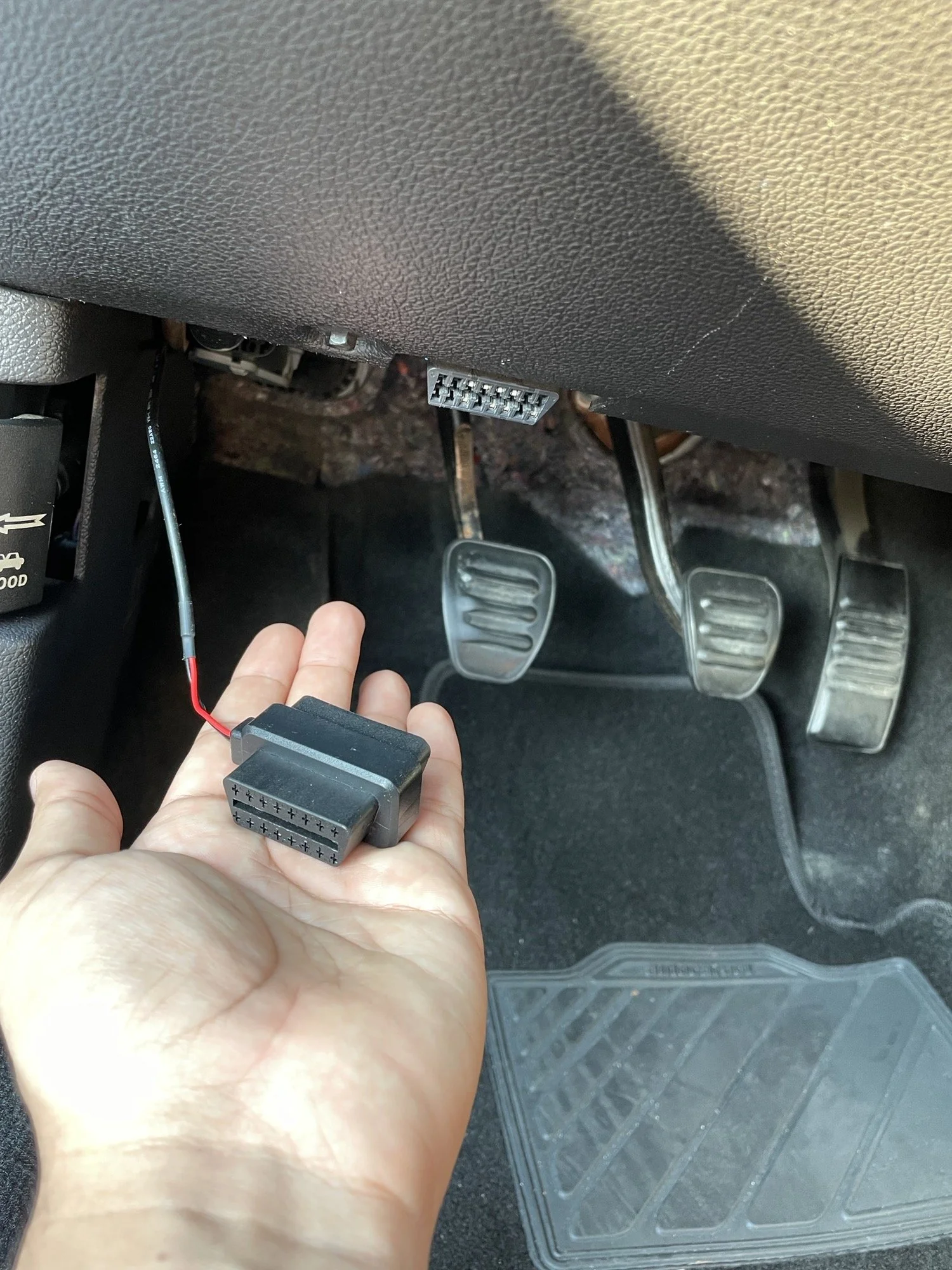
1. Instantaneous Speed vs. Velocity: The Data Gap
In physics, velocity is a vector, requiring both magnitude (speed) and direction. A speedometer is strictly scalar; it doesn’t care if you’re heading North or South.
* Average Speed: A retrospective calculation (Total Distance / Total Time). * Instantaneous Speed: What your speedometer actually captures. It is the limit of the average speed as the time interval approaches zero.
For automation enthusiasts, this distinction is vital. Adaptive Cruise Control (ACC) and lane-keeping systems rely on this real-time, millisecond-accurate data to make split-second adjustments. Even a minor lag in processing this signal can result in jarring system responses.
2. The Mechanics: From Eddy Currents to Hall Effect
The Mechanical Era (Eddy Currents)
Legacy systems used a flexible cable driven by the transmission to spin a permanent magnet inside a metal "speedcup." This created a rotating magnetic field, inducing eddy currents that generated torque to pull the needle against a hairspring. It was a masterpiece of analog engineering, but limited by mechanical friction.The Electronic Era (Hall Effect)
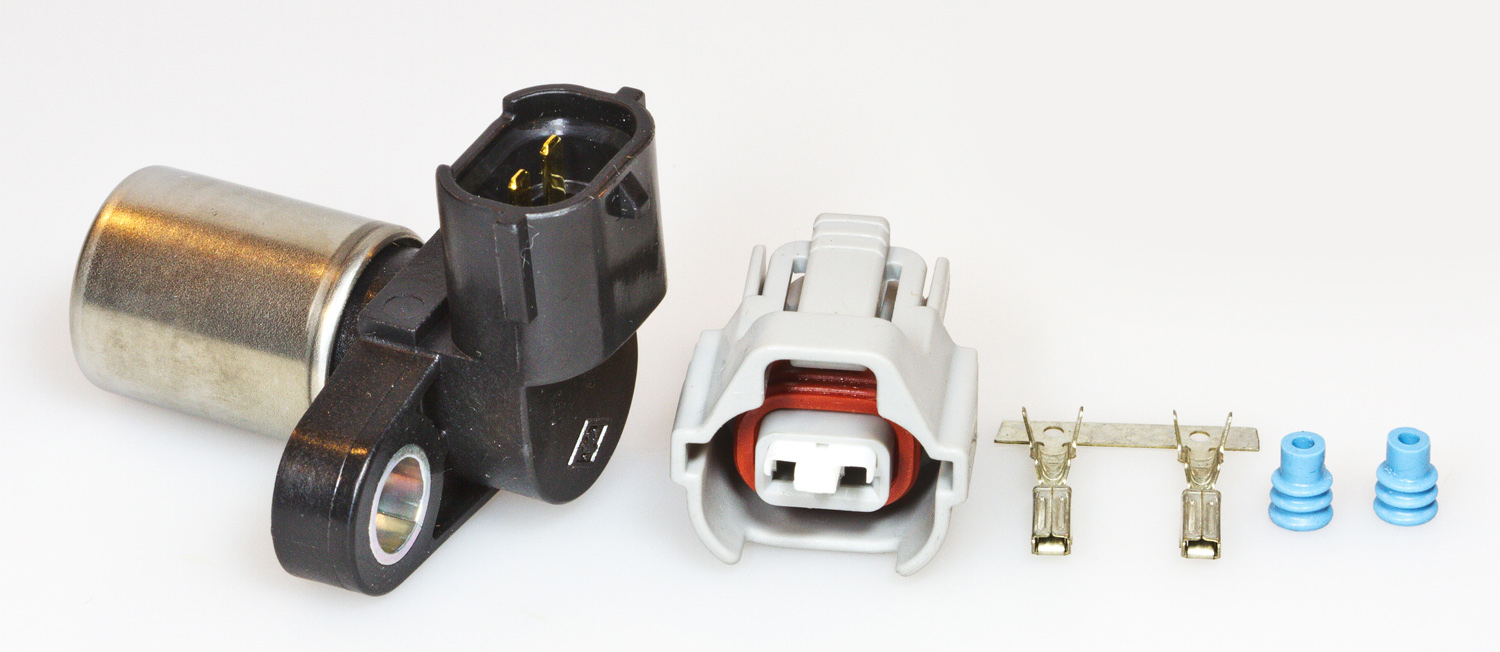
Modern vehicles utilize digital precision. A notched "reluctor ring" rotates with the wheels while a stationary Hall Effect sensor detects magnetic field changes. These interruptions are converted into square-wave pulses, which the ECU counts to calculate speed. This digital signal is then broadcasted across the vehicle's CAN bus.3. Why Precision Matters for Automation
* Tire Diameter: The ECU assumes a fixed tire circumference. If you swap to larger tires or drive on heavily worn treads, the speedometer will drift. Automation scripts relying on OBD-II data must account for this "calibration gap." * The Safety Buffer: Many manufacturers calibrate speedometers to read 2-5% higher than reality as a legal safeguard. GPS-based tools often show a lower, more accurate speed because they measure satellite coordinates rather than mechanical rotations.
4. The Automation Connection
Speed data isn't just for the driver; it’s an API for the vehicle’s software ecosystem:
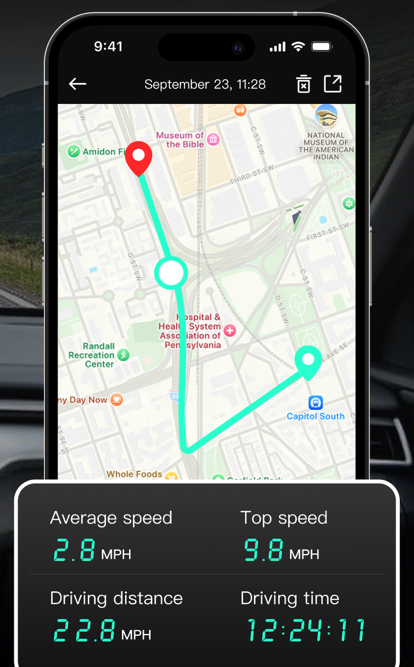
* Fleet Management: Automation scripts can trigger real-time alerts: "If Speed > 75mph, send Slack notification to Manager." * Adaptive Cruise Control: The system compares instantaneous speed with LiDAR data in a constant feedback loop to modulate the throttle. * V2X Communication: In the future, if a car’s speed drops to zero suddenly, it can broadcast a "traction loss" signal to following vehicles before the drivers even react.
Conclusion
A speedometer captures the pulse of a vehicle’s mechanical and electronic harmony. By tapping into the OBD-II port, tech-savvy drivers can access this raw data to build custom monitoring dashboards or drive efficiency-focused automation scripts.