Enter the era of the glass speedometer and map for cars. This technology, often referred to as a Heads-Up Display (HUD), is no longer reserved for fighter pilots or luxury sedans. It is the centerpiece of a movement toward the "transparent cockpit," where data and reality merge into a single, seamless stream of information.
The Evolution of the Digital Dashboard
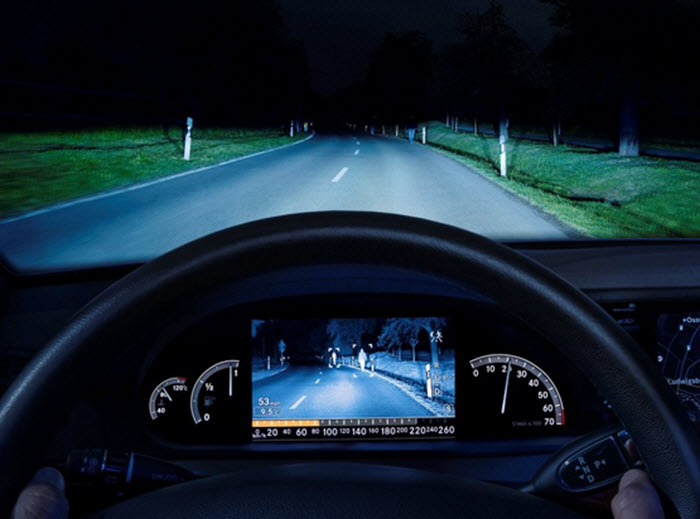
To understand where we are going, we have to look at where we have been. The original dashboard was a literal board—a piece of wood meant to stop mud from splashing on the driver. As cars evolved, so did the instrumentation, moving from analog needles to digital LED screens. However, even the most advanced digital screens still required the driver to take their eyes off the horizon.
A glass speedometer and map for cars flips the script. By projecting critical telemetry and navigation data onto a transparent medium—either a dedicated glass pane or the windshield itself—the vehicle keeps the driver’s focus exactly where it needs to be: on the road ahead. This isn’t just a visual upgrade; it is an automation of focus.
How the Technology Works: Projection vs. Reflection
When we talk about a glass speedometer, we are typically looking at one of two technical implementations:
1. Integrated Windshield HUDs
These systems use a specially treated windshield with a wedge-shaped interlayer. A high-intensity projector embedded in the dashboard beams an image onto the glass. Because of the special film, the image doesn't ghost or double, appearing to float about 7 to 10 feet in front of the vehicle. This "depth perception" is crucial because it means the driver’s eyes don’t have to refocus between the road and the data.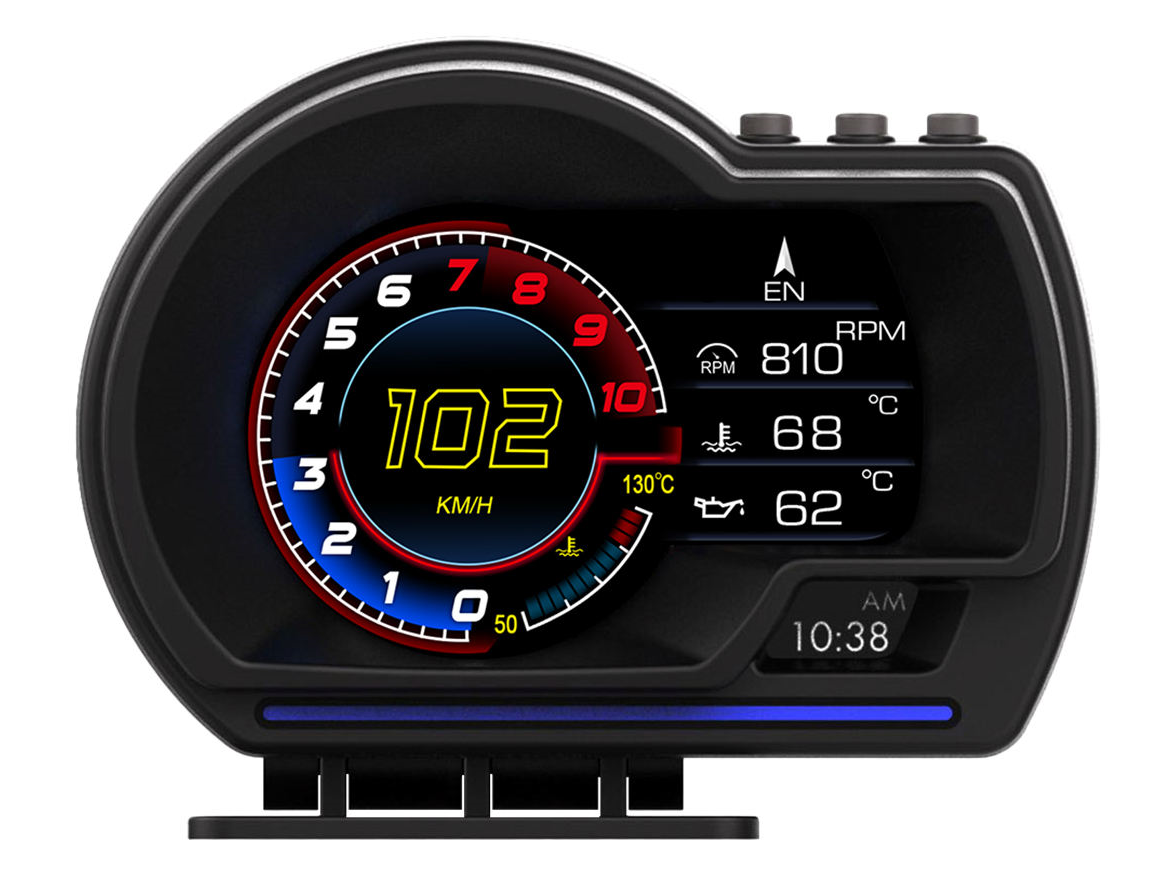
2. Standalone Glass Units
For those who don't have a $90,000 luxury vehicle, standalone units have become the ultimate automation hack. These devices feature a high-transparency glass panel that sits on the dashboard. They either connect via your car's OBD-II port to pull real-time engine data or mirror your smartphone via Bluetooth to display maps and speed. These units offer an affordable entry point into the world of augmented driving.The Role of Augmented Reality (AR) in Navigation
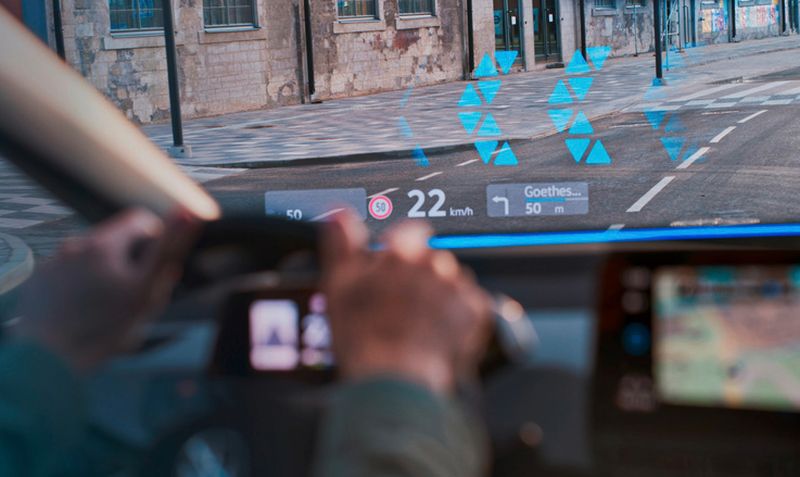
The most transformative aspect of a glass speedometer and map for cars is the integration of Augmented Reality. Traditional GPS tells you to "Turn right in 200 feet." AR navigation shows you.
Imagine driving through a complex urban intersection. Instead of squinting at a tiny 2D map on your phone, you see glowing blue arrows projected onto the actual asphalt through your glass display. These arrows point exactly where you need to go, adjusting their size and perspective as you move. This level of automation reduces the mental processing time required to navigate, making the driving experience feel almost intuitive.
Why This is a Game-Changer for Driving Safety
The US National Highway Traffic Safety Administration (NHTSA) has long highlighted distracted driving as a primary cause of accidents. A glass speedometer mitigates this in several ways:
Step-by-Step: Setting Up an Aftermarket Glass Display
If you are looking to automate your current vehicle’s data visualization, here is how you can implement a glass speedometer and map today:
1. Select Your Connection Type: Choose an OBD-II unit for precise speed and engine health data, or a GPS-based unit if you want a plug-and-play solution that works in any car. 2. Position the Glass: Place the unit directly in your line of sight, but low enough so it doesn't obstruct the road. The goal is to see it by shifting your eyes, not your head. 3. Calibrate the Brightness: Most high-quality units feature light sensors. Ensure your display is bright enough for midday sun but dims automatically at night to prevent glare. 4. Sync Your Navigation: If using a smartphone-based glass display, use apps like HUDWAY or Sygic, which offer a 'HUD Mode' that flips the map interface so it reflects correctly onto the glass.
The Intersection of Automation and the Future
As we move toward Level 3 and Level 4 autonomous driving, the glass speedometer will evolve from a safety tool into an information hub. In a car that drives itself, the glass map won't just show you where to turn; it will highlight points of interest, display your upcoming schedule, or even allow for video conferencing on a transparent layer that can be switched off instantly when human intervention is required.
We are moving toward a world where the car is no longer just a mechanical tool, but a digital companion. By incorporating a glass speedometer and map, you are effectively upgrading your vehicle's 'operating system,' allowing for a more focused, safer, and technologically advanced journey.
Conclusion: Looking Through the Data
The transition to a glass speedometer and map for cars represents more than just a cool aesthetic upgrade—it is a fundamental shift in the human-machine interface. By removing the barrier between the driver's eyes and the vehicle's data, we create a more harmonious driving experience. Whether you are an automation enthusiast looking to geek out on telematics or a daily commuter looking for a safer way to navigate, the transparent cockpit is the way forward. The future of driving isn't just about where you are going; it's about how you see the world while you're getting there.