Understanding the delta between your dashboard and your actual velocity is critical. In an era of automated driving, a 3% margin of error isn't just a quirk—it’s a data flaw that compromises braking distance calculations and sensor fusion integrity.
The Fundamental Relationship: Angular vs. Linear Velocity
A speedometer doesn't measure how fast you cover ground; it measures rotational frequency. The system relies on the precise link between Angular Velocity (how fast the axle spins) and Linear Velocity (how fast the vehicle travels from point A to B).Vehicle ECUs (Engine Control Units) assume a constant variable: the tire's circumference. The logic follows a standard physical formula:
Velocity = Circumference × Rotational Speed
If a system is calibrated for a 25-inch tire but you install 27-inch rubber without updating the BCM (Body Control Module), the speedometer becomes fiction. Since the larger tire covers more ground per revolution, your actual ground speed will be significantly higher than the digital readout.
Why Calibration Matters in Automation
For power users focused on system automation, these discrepancies degrade the entire data stack:
* Sensor Fusion Drift: Self-driving algorithms fuse GPS data with wheel odometry. If the wheel diameter is uncalibrated, the Kalman filter experiences "drift," leading to miscalculated spatial positioning. * Fleet Data Integrity: Automated logging tools for fuel efficiency and mileage tracking become useless if they rely on corrupted rotational pulses. * Performance Mapping: High-end automation software used in tuning requires precise speed data to optimize shift points and torque delivery.
Automating the Fix: Modern Tech Solutions
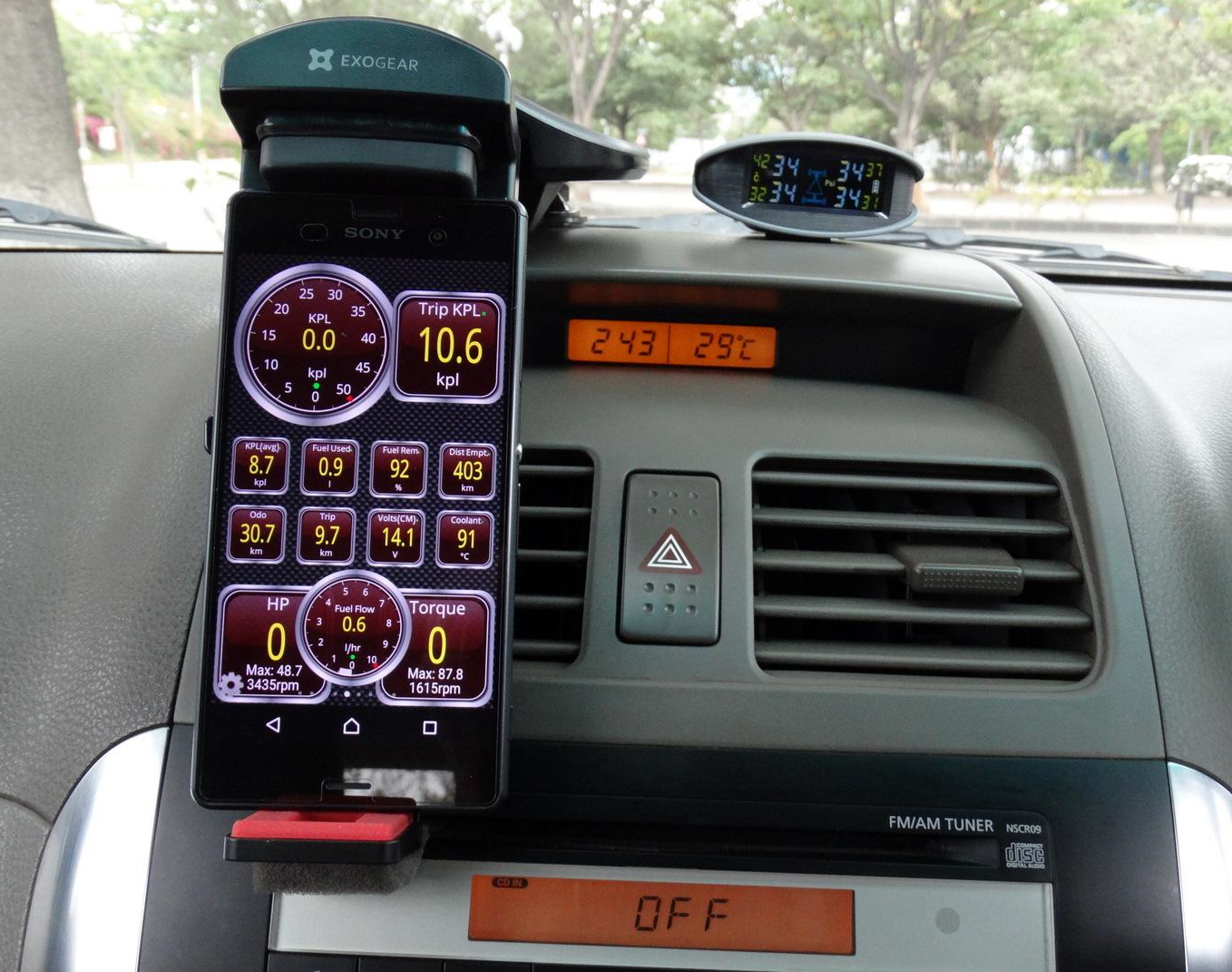
We’ve moved past the era of swapping plastic mechanical gears. Modern calibration is entirely software-driven:* OBD-II Programming: Automation tools like FORScan allow users to write Hexadecimal values for tire circumference directly into the BCM. This instantly re-syncs the ECU's math with the physical hardware. * High-Frequency GPS Overlays: External GPS receivers sampling at 10Hz or higher provide a "True Speed" reference. These are used to bypass mechanical sensors entirely and verify the vehicle's internal logic during performance testing. * Dynamic Self-Calibration: Some advanced EVs now implement automation that compares wheel pulses against GPS displacement over long distances. This allows the car to automatically adjust for tire tread wear—a process that accounts for the shrinking diameter of the tire over its lifespan.
Conclusion
Accuracy in vehicle telemetry is a constant negotiation between mechanical reality and digital logic. By leveraging OBD-II automation and independent GPS verification, you can ensure your data remains pristine and your automated systems remain synchronized with the road.