To the casual driver, it simply tells you how fast you’re going. To an engineer or a tech enthusiast, it is a gateway into the world of real-time telemetry and automated systems control.
The Physics: Instantaneous Speed vs. Velocity
To understand what a car's speedometer measures, we have to start with physics. In technical terms, a speedometer measures instantaneous speed.
Unlike "average speed," which is distance divided by time over a long trip, instantaneous speed is the magnitude of the rate of change of distance at a specific moment in time. Furthermore, a speedometer does not measure velocity. Velocity is a vector quantity that requires a direction (e.g., 60 mph North). Since your speedometer doesn't care if you're driving toward the Grand Canyon or your local grocery store, it is strictly a scalar measurement.
In the realm of automation and smart transit, this distinction is vital. If a vehicle's automation system (like Adaptive Cruise Control) only knew speed without directional context from GPS or gyroscopes, it couldn't navigate a curve safely. The speedometer provides the 'how fast,' while other sensors provide the 'where.'
The Evolution of the Measurement: From Cables to Code
How we capture this data has evolved from raw mechanical friction to elegant digital pulses.
1. The Mechanical Era: Eddy Currents
For decades, speedometers were purely mechanical. A flexible cable, driven by gears inside the transmission, would spin at a rate proportional to the vehicle's speed. This cable was connected to a permanent magnet inside the speedometer assembly. As the magnet spun, it created a rotating magnetic field that induced "eddy currents" in a non-magnetic metal cup (the speed cup). This created torque, pulling the needle against a hairspring. The faster the cable spun, the more the needle moved.2. The Electronic Era: Hall Effect Sensors
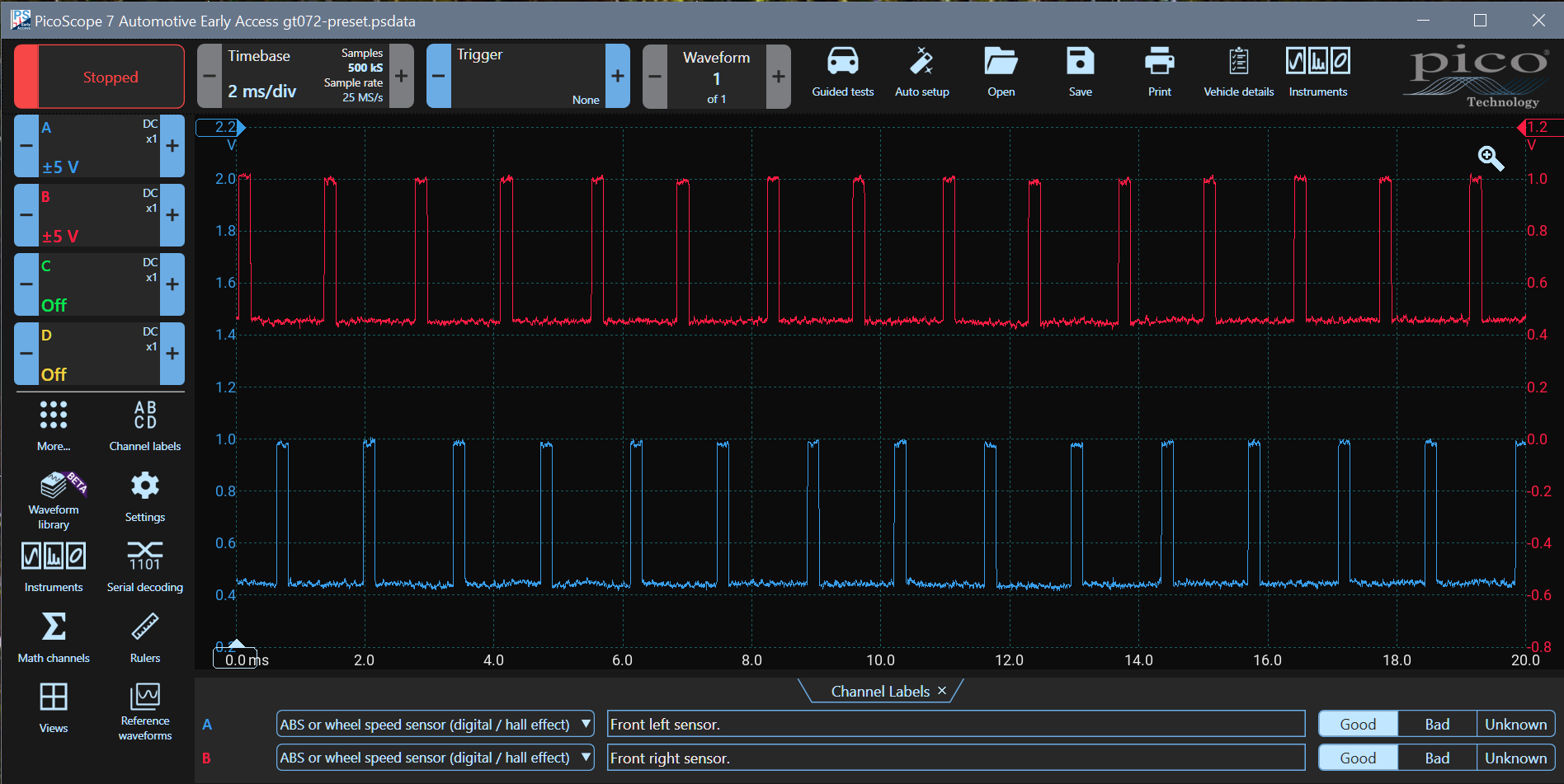
Most vehicles on the road today have ditched the cable for a wire. Modern systems use a variable reluctance sensor or a Hall Effect sensor located on the transmission output shaft or the wheel hubs.These sensors detect the passage of teeth on a rotating metal ring. Each time a tooth passes the sensor, it generates a digital pulse. The vehicle’s Engine Control Unit (ECU) counts these pulses per second and translates that frequency into a speed reading using a pre-programmed mathematical formula.
The Automation Connection: Why Data Precision Matters
In our current era of tech-driven driving, the speedometer's data is no longer just for the human eye. It is a critical input for the vehicle's "automation stack."
The Margin of Error: Is Your Speedometer Lying?
One of the most surprising facts about what a car’s speedometer measures is that it is rarely 100% accurate. In fact, most manufacturers calibrate speedometers to over-read slightly (showing you are going faster than you actually are) to avoid legal liability and account for hardware variables.
Factors That Alter the Measurement:
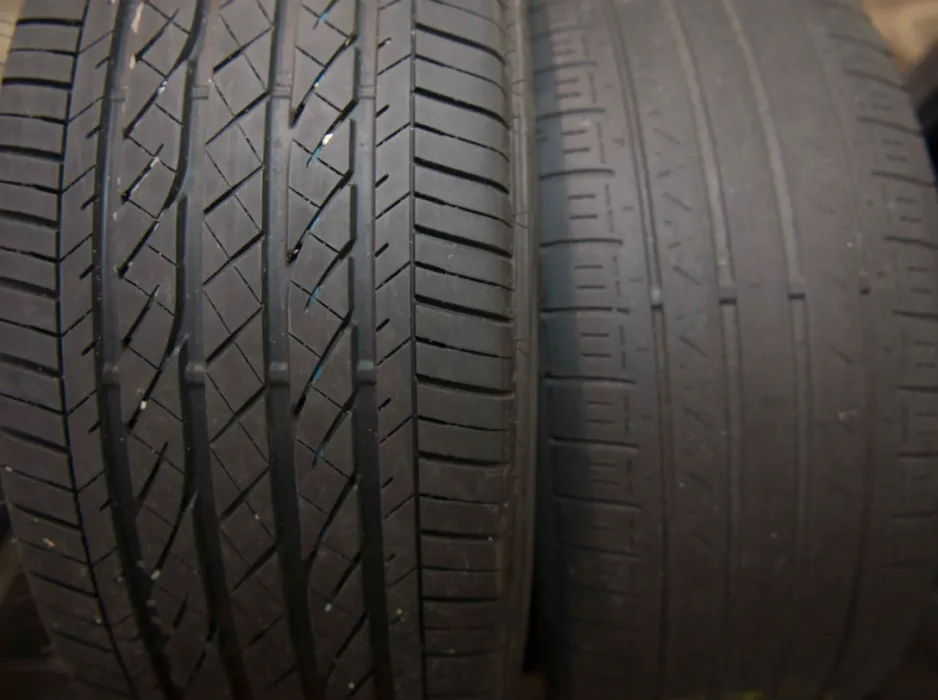
1. Tire Diameter: This is the biggest culprit. Your ECU calculates speed based on how many rotations the tires make. If you install larger tires, or if your tires are severely worn down, the circumference changes. A larger tire travels further in one rotation, meaning your speedometer will show a speed lower than your actual ground speed. 2. Tire Pressure: Under-inflated tires have a smaller effective radius, which increases the number of rotations per mile, causing an over-read on the dash. 3. Gearing Alterations: In the aftermarket world, changing the differential gear ratio without reflashing the ECU will completely break the speedometer’s accuracy.Step-by-Step: How to Verify Your Speedometer’s Accuracy
If you are a tech enthusiast who loves precision, you can "audit" your car's automation data using these steps:
1. Download a GPS-based Speedometer App: GPS measures speed by calculating the change in your geographic coordinates over time. It is not affected by tire size. 2. Find a Flat, Straight Road: Maintain a steady speed (e.g., 60 mph) on a highway with a clear view of the sky. 3. Compare Readings: Compare your dashboard needle to the GPS readout. 4. Calculate the Offset: If your dash says 60 but the GPS says 57, your vehicle has a 5% positive offset. Many high-level automation tools allow for a "calibration factor" to be entered if you are using aftermarket logging equipment.
The Future: From Wheel Speed to Absolute Telemetry
As we move toward fully autonomous vehicles, what a car’s speedometer measures is becoming more redundant. Self-driving stacks rely on a fusion of data: LiDAR, Radar, and high-precision GPS. In these systems, wheel speed is just a secondary "sanity check" to ensure the sensors agree with the physical movement of the drivetrain.
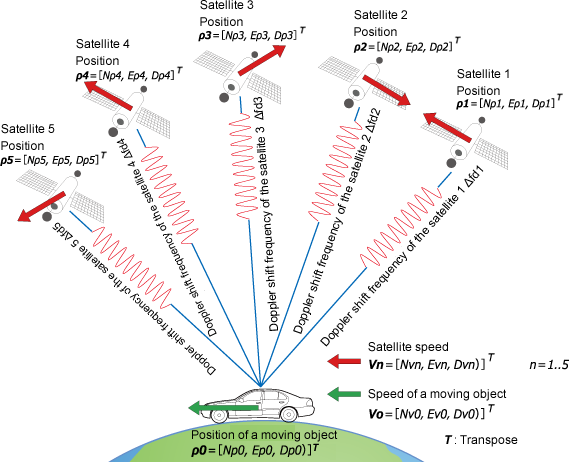
We are moving toward a world where "speed" is a holistic data point derived from the environment, not just a spinning gear in a gearbox. However, the humble speedometer remains the most vital link between the driver and the machine’s internal logic.
Conclusion
A car's speedometer measures more than just your risk of getting a ticket; it measures the heartbeat of your vehicle’s mechanical and electronic harmony. Whether it’s the old-school charm of eddy currents or the high-tech precision of Hall Effect sensors, this data point is the foundation of automotive automation. Understanding how it works allows us to better appreciate the complex dance of sensors and software that keeps us moving safely down the road.