SPEED TRACKING
2026-02-06
Beyond the Dashboard: Why Not All Speedometers Are Created Equal
We often treat the speedometer as an absolute source of truth, but the technology behind the dial is far from uniform. Understanding the engineering differences is key to mastering vehicle telemetry.
1. Mechanical vs. Electronic Systems
*
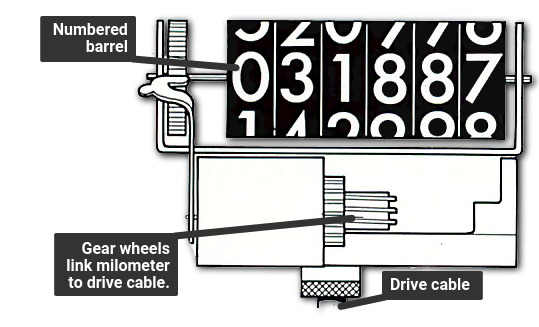
Mechanical Era: Used a drive cable to spin a magnet, creating
eddy currents to move the needle. These are prone to wear and spring tension loss over time.
*
Electronic Shift: Uses a
Vehicle Speed Sensor (VSS) to send pulses to the ECU. The dashboard then translates these pulses into a digital or analog readout.
2. The Variables of Inaccuracy
Speedometers measure wheel RPM, not ground speed, which introduces several variables:
*
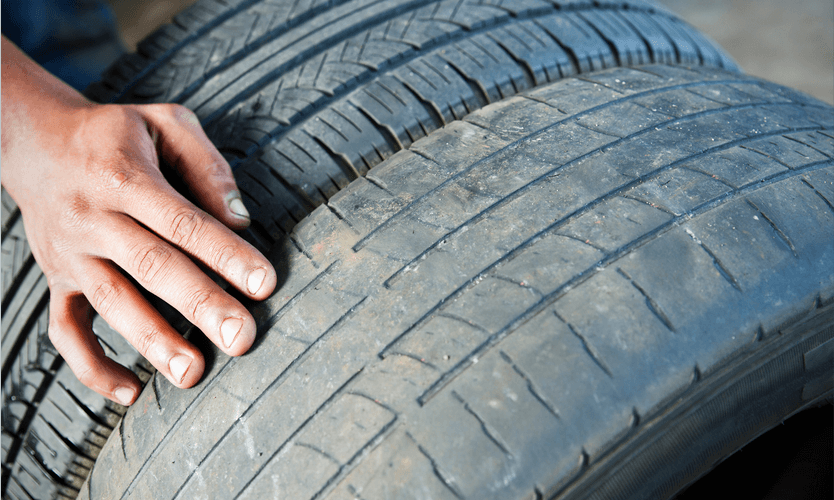
Tire Circumference: Tread wear and under-inflation reduce the tire's radius, forcing it to spin faster and causing the speedometer to over-report speed.
*
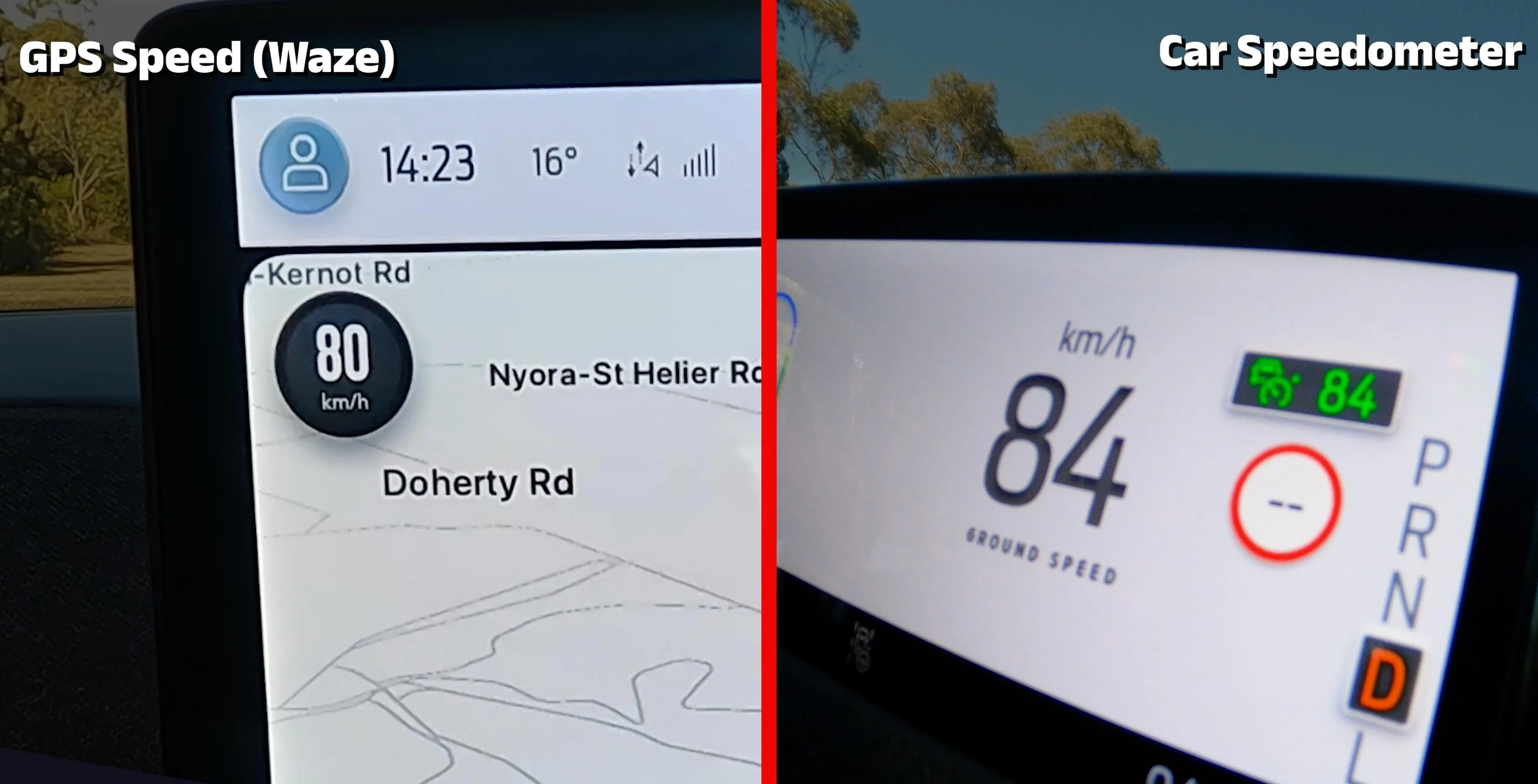
Legal Buffering: Many manufacturers calibrate gauges to be 'optimistic'—showing a higher speed than actual velocity—to shield themselves from legal liability and help drivers avoid tickets.
3. GPS and Data Automation
Tech-savvy users often cross-reference dashboard data with GPS. While GPS provides 'ground truth' independent of tire size, it suffers from signal latency. Professional fleet automation scripts often use a weighted average of OBD-II data and GPS coordinates to determine precise velocity.
Conclusion
While not all speedometers are the same, the differences usually represent a 2-5 mph margin of error. Your dashboard is designed for safety and liability protection, while GPS is designed for mathematical precision. Understanding this 'speedometer delta' is essential for anyone working in automotive automation or performance tracking.