SPEED TRACKING
2026-02-05
Deciphering Your Dash: Are Bike Speedometers in KM or Miles?
In the world of cycling tech, precision data is king. Whether you use a $15 sensor or a $600 GPS unit, understanding the metric vs. imperial toggle is essential for accurate performance tracking.
1. The Global Standard
Most devices are manufactured for a global market and ship in
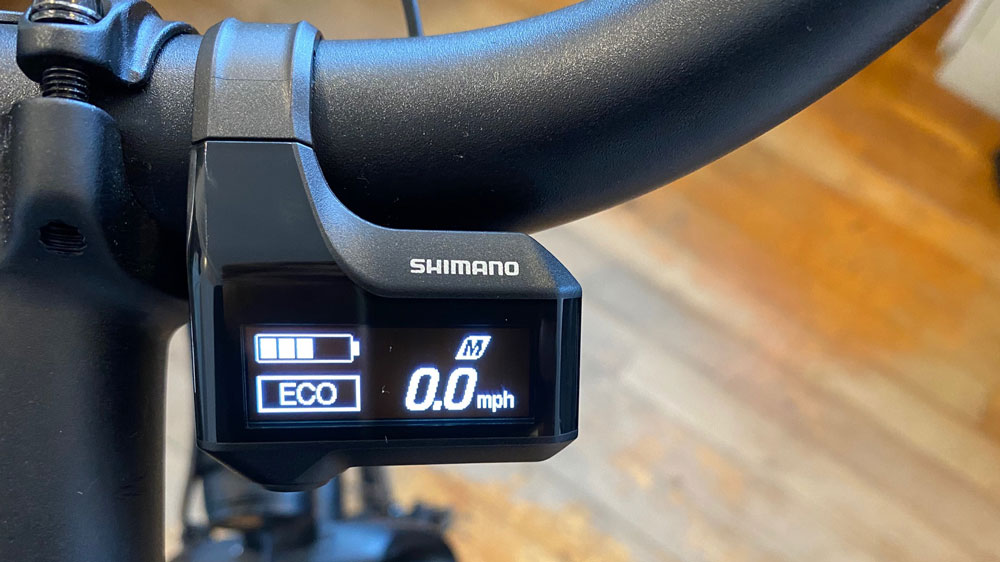
KM/H by default. However, the software allows you to toggle to
MPH based on regional preference. In professional cycling, kilometers are often the standard, even in US-based races.
2. Data Integrity and Automation
Accuracy in your unit settings is critical for downstream analytics. If your sensor logs 100km when your fitness dashboard expects 100 miles, you face a
38% data deficit. Ensuring your units are synced is the first step in maintaining the integrity of your automated training logs in apps like Strava or Apple Health.
3. How the Tech Calculates Speed
*
Magnetic Sensors: These count wheel revolutions. The computer calculates speed by multiplying revolutions by the wheel circumference (in mm). The unit choice is merely a conversion factor applied to this math.
*
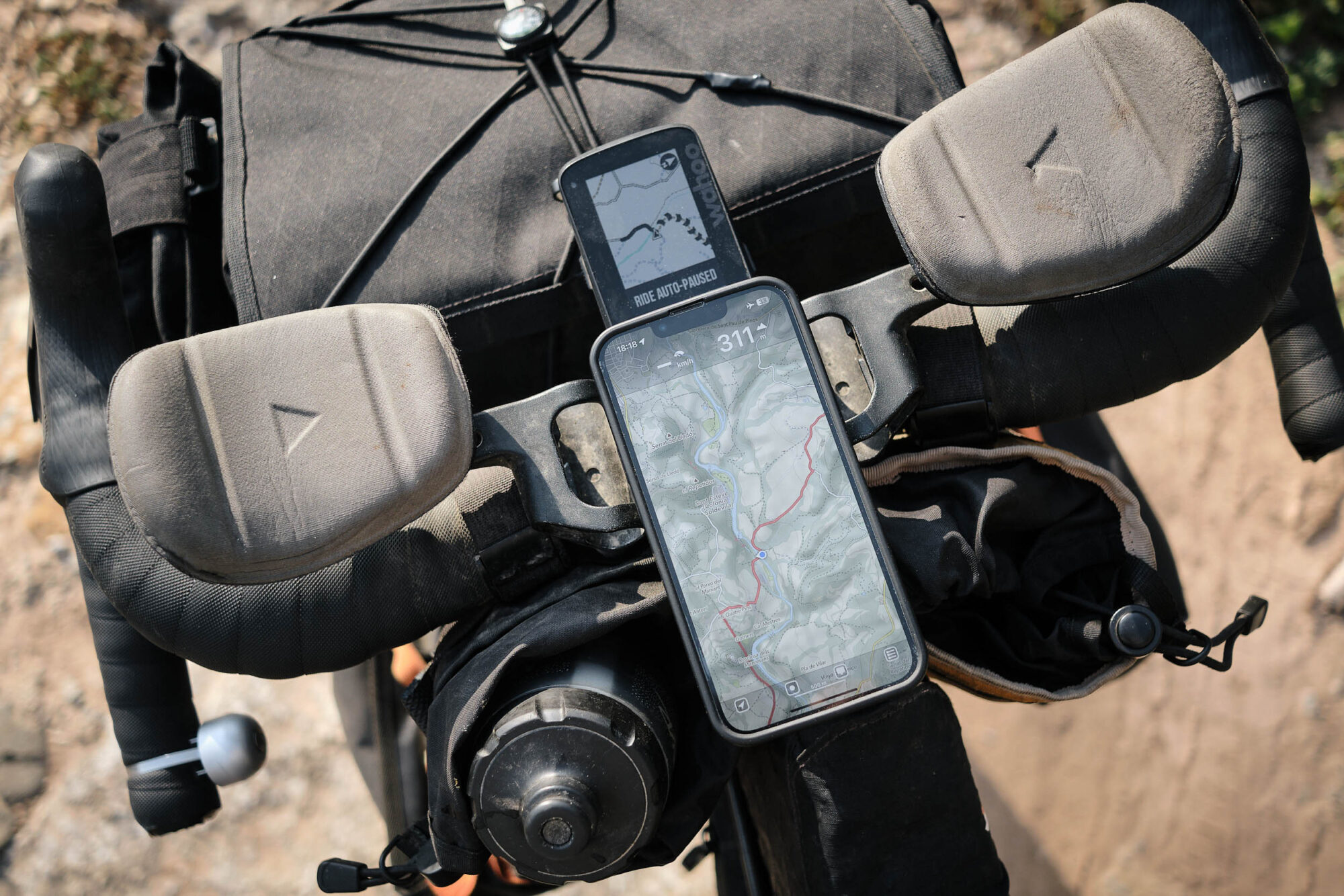
GPS Units: These use satellite triangulation to track movement. Because the data is digital, switching units is a simple toggle in the system settings.
4. Calibration vs. Unit Errors
If your speed looks wrong after switching units, check your
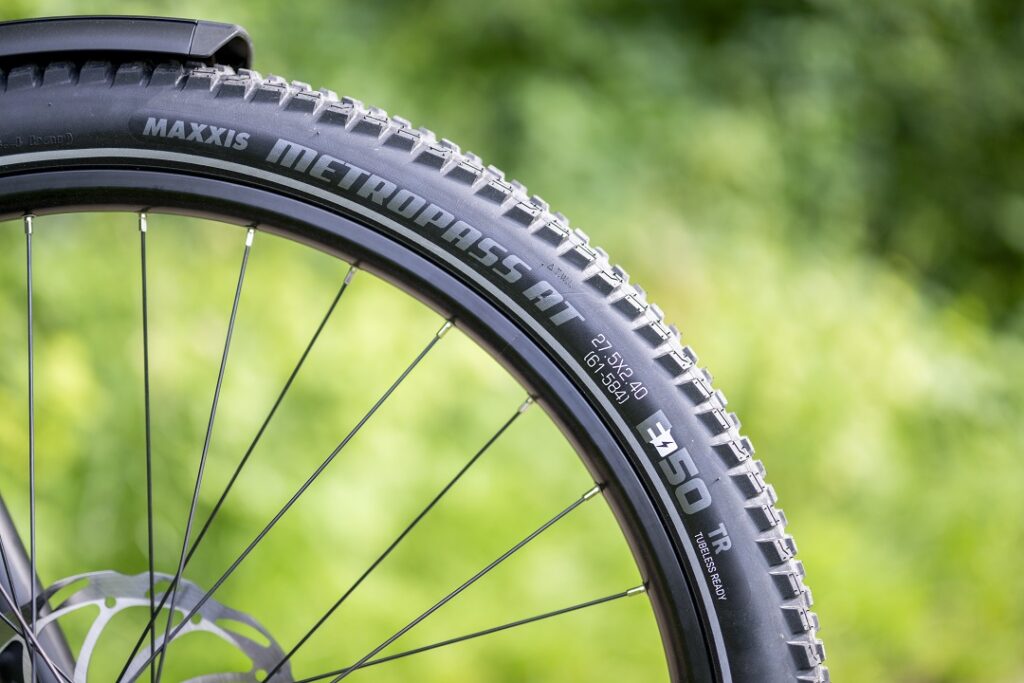
wheel circumference calibration. Entering the wrong tire size in the firmware will cause inaccurate readings regardless of the chosen unit. Always match your tire sidewall specs to the device's internal calculator.
Conclusion
Modern bike speedometers are 'multilingual' tools in a larger IoT automation stack. By mastering your unit settings and calibration, you ensure your training data is accurate and your performance history remains synchronized. Whether you pedaling in miles or kilometers, precision is the joy of the ride.