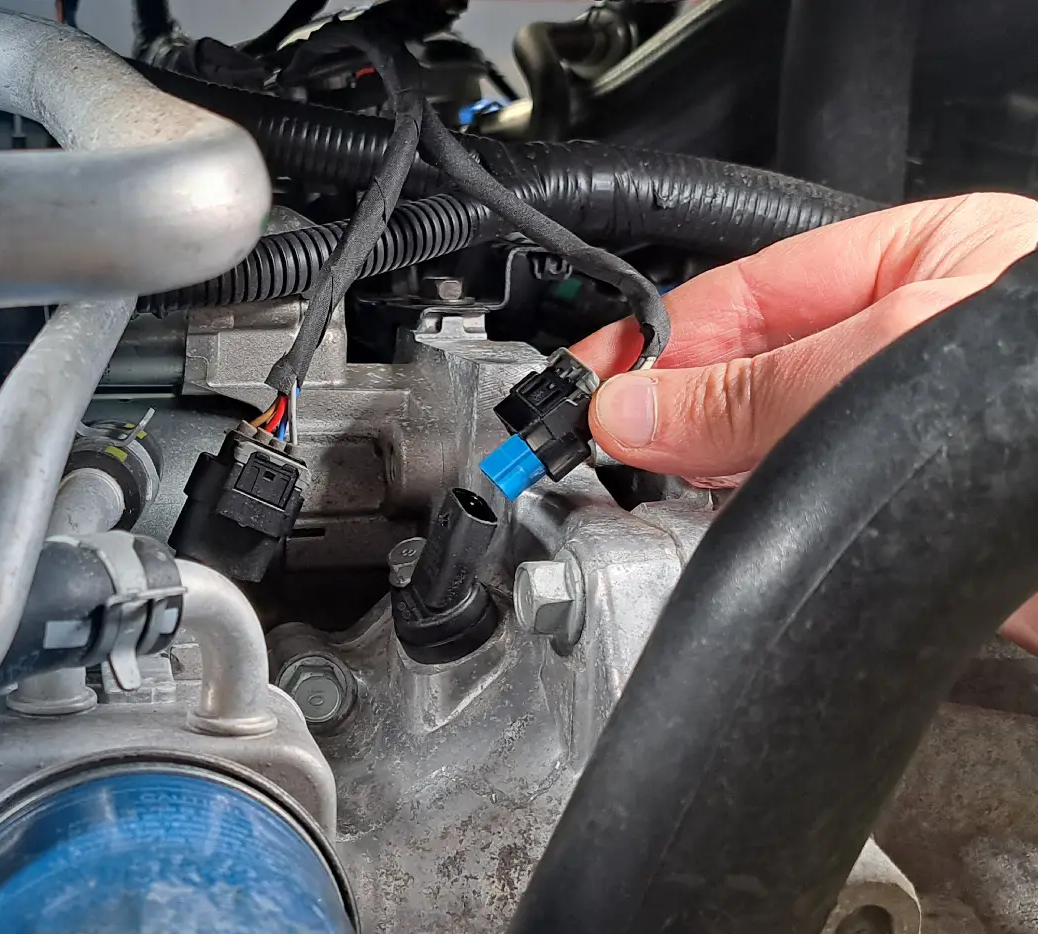
This concept of "relational measurement" is the backbone of systems engineering. Whether you're building industrial hardware or optimizing data-driven workflows, precision isn't about the raw input—it's about how accurately that input correlates to the final output.
The Mechanical Pulse: Translating Rotation into Data
At its core, a speedometer is a translator. It takes the high-frequency pulses from your transmission or wheel hub and maps them to a human-readable scale.* The Tire Variable: Engineers hard-code a vehicle’s logic based on the tire's outer diameter. Because the system counts revolutions per mile, any physical change throws the math out of sync. Swap in a larger set of tires, and you’re covering more ground per rotation than the ECU realizes. The result? You’re moving faster than the dial dares to admit. * Gear Ratios: The sensor usually monitors the transmission's output shaft. If you modify the final drive to gain torque, you’ve effectively changed the "math" of the vehicle. This mechanical tethering mirrors how we approach system automation—every triggered action is bound by a pre-defined ratio of input to response.
From Asphalt to Algorithms: The Logic of Latency
In system automation, "speed" is a function of clock cycles, refresh rates, and bus latency.
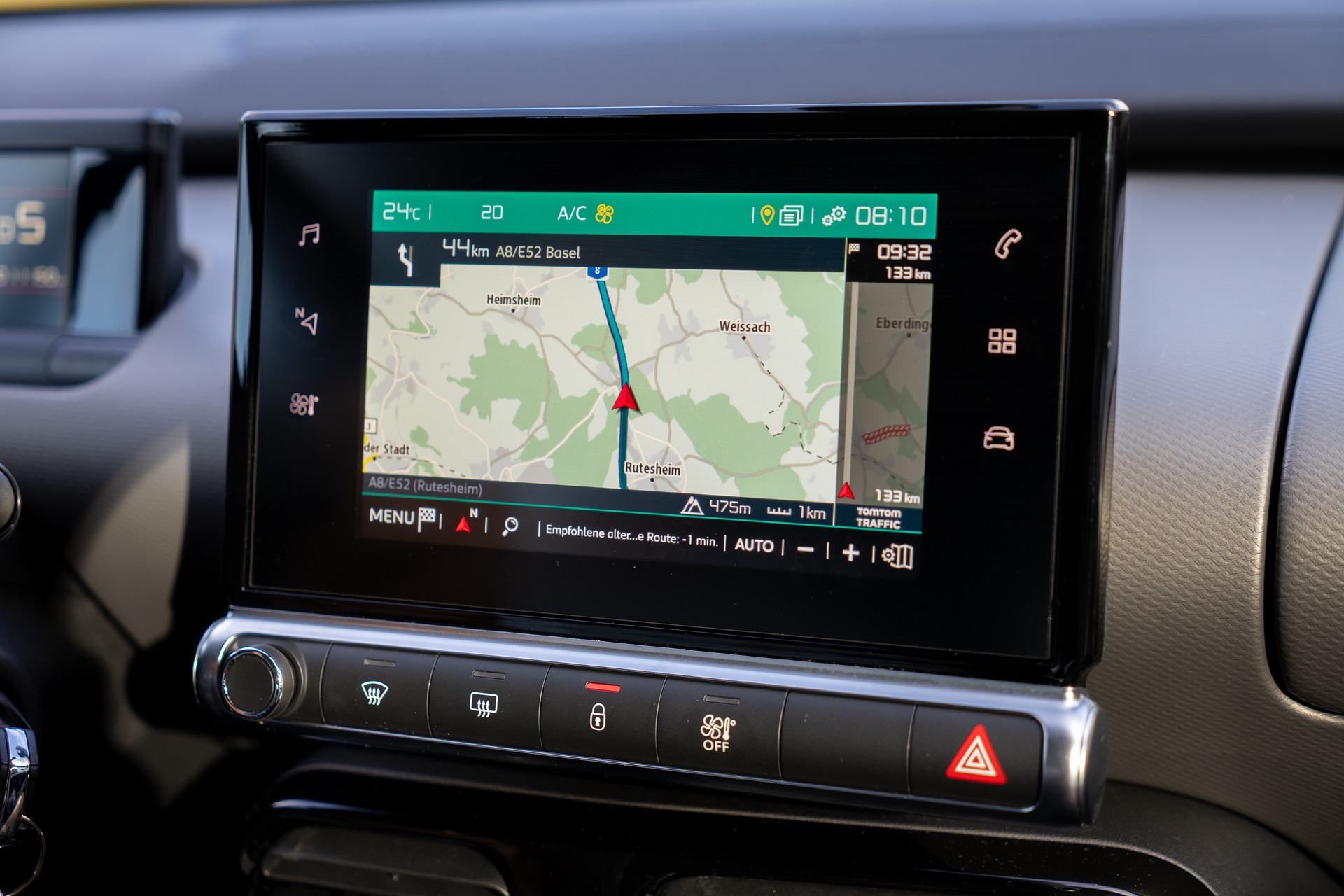
Just as a car requires a specific tire size for accuracy, an automated process depends on environmental constants. If your trigger frequency outpaces the system’s refresh rate, the relationship breaks. You’re over-clocking the process, leading to dropped frames or systemic lag. Smart systems now implement "adaptive timing," much like how a modern car cross-references mechanical sensors with GPS data to ensure the digital readout stays 1:1 with physical reality.
Tuning for Peak Performance
Calibrating a speedometer follows the same technical logic as optimizing an automated workflow:1. Baseline the Standard: Define your "known good" (OEM tire specs or native system idle time). 2. Audit the Friction: Look for variables that introduce noise—worn treads or background processes hogging CPU cycles. 3. Validate via External Source: Use an independent reference (GPS for velocity, hardware timers for code) to find the delta. 4. Inject Correction Factors: Use synchronization offsets or digital delays to bring the system back into alignment.