SPEED TRACKING
2026-02-06
Beyond the Dial: Why a Model Ford Speed Speedometer is the Ultimate Metaphor for Modern Automation
In an era before microchips, the
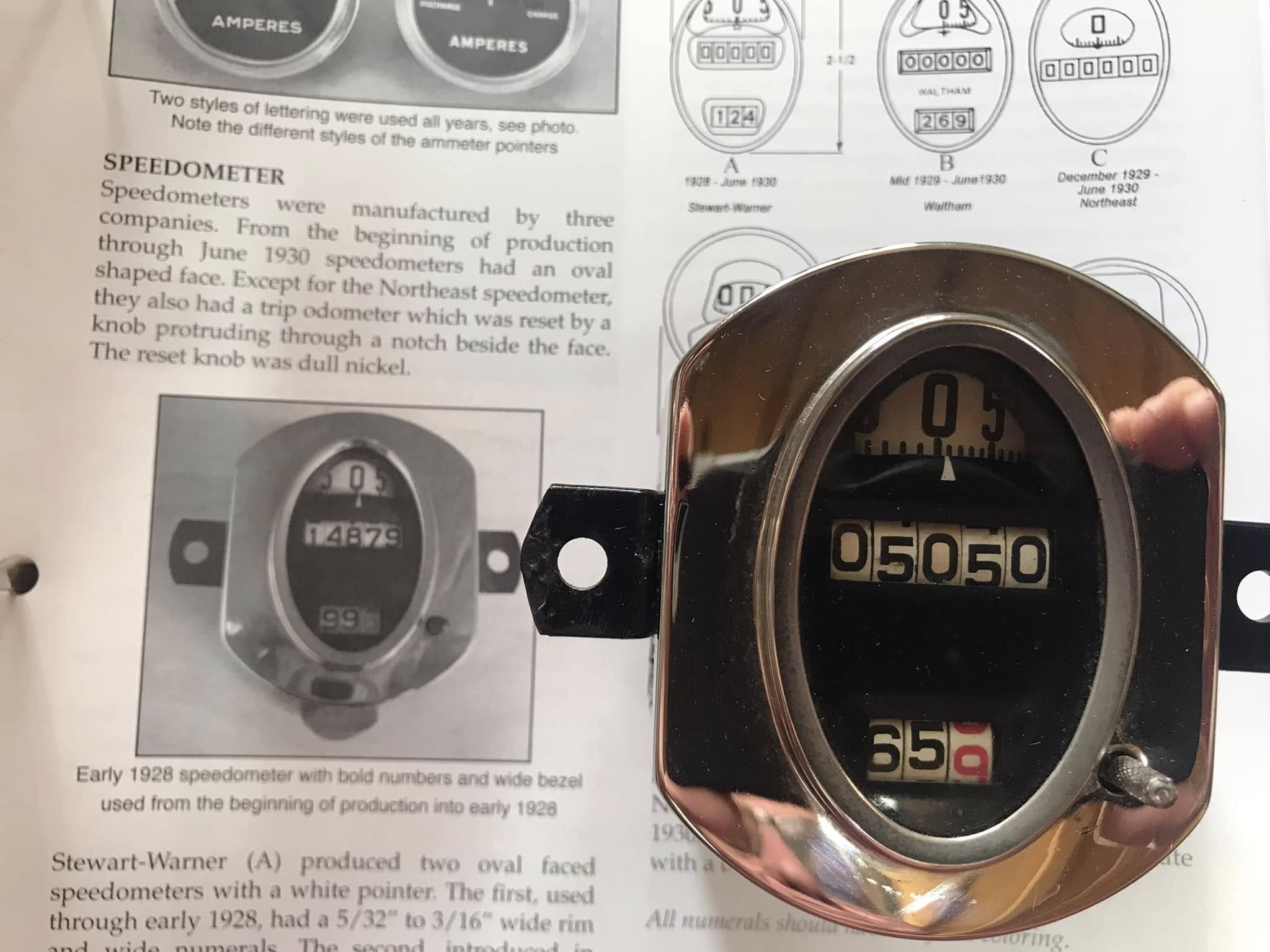
Model A Ford speedometer represented the pinnacle of telemetry. The principles of mechanical precision used in the 1930s are identical to the logic we rely on to automate digital workflows in 2026.
1. Direct Linkage and Feedback
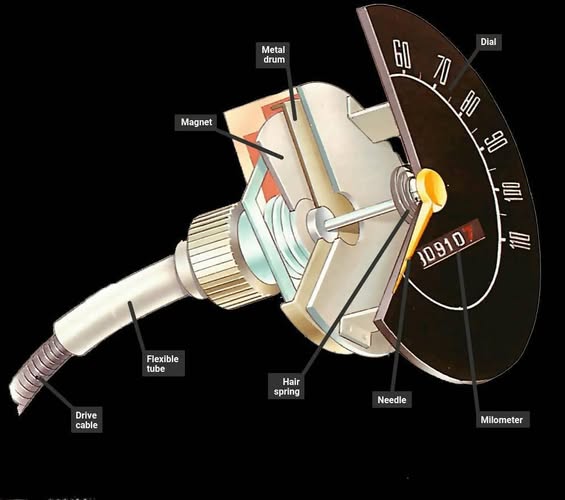
The Model A used a flexible drive cable connected directly to the transmission. In digital automation, this mirrors the need for a 'Direct Read' on targets. Whether it is a DOM element or a memory address, your automation script must have a physical-like link to ensure the data is accurate, not estimated.
2. Solving the 'Flutter'
Mechanical 'flutter' or a bouncing needle usually indicates a sync issue. In scripts, we see this as 'flaky triggers.' Solving this requires shifting from simple time-based loops to robust, logic-based wait-states. Calibration is the 'lubrication' that keeps the system running smoothly.
3. Minimalist Dashboard Logic
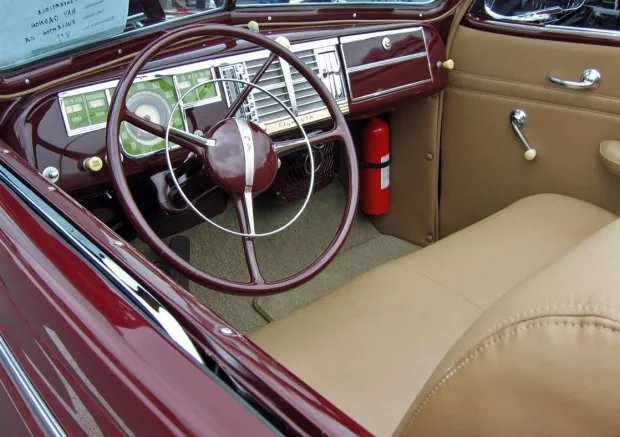
The Ford Model A dashboard featured only actionable data: speed, fuel, and amps. Modern automation often suffers from 'log bloat.' By following the Model A's lead, developers can build cleaner interfaces that prioritize the single most important metric: current velocity toward the goal.
Conclusion
A Model A speedometer is more than a relic; it's a philosophy of measurement. It reminds us that technology, whether brass gears or Python strings, is about control and reliability. The next time you trigger a complex macro, look at the dial—ensure your digital vehicle is as synchronized and resilient as a classic Ford.