1. The Synergy: Why Depth and Speed Matter
In a marine environment, the link between a sonar-based depth sounder and a speed sensor is critical: * Safety Margin: Modern budget units feature programmable depth alarms. When paired with real-time speed data, you can calculate stopping distances and react to rising lake floors before they become a structural risk. * Fuel Efficiency: By monitoring 'Speed Over Ground' (SOG) in relation to engine RPMs, you can find your hull’s optimal planing speed, often paying for the device through fuel savings in a single season.
2. Breaking Down the Tech: CHIRP and GPS
How do $150 units outperform the professional gear of a decade ago? The secret is software-defined sonar.
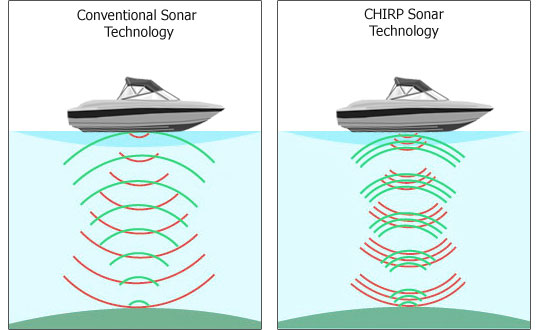
* CHIRP Technology: Unlike traditional single-frequency sonar, CHIRP sweeps through a range of frequencies. This provides superior target separation, showing fish as distinct 'arches' rather than a grainy mess. * GPS Speedometer: Most entry-level units now bypass mechanical paddlewheels in favor of internal GPS antennas. GPS measures SOG, which is maintenance-free and essential for marking waypoints accurately.
3. The Automation Edge: Self-Charting
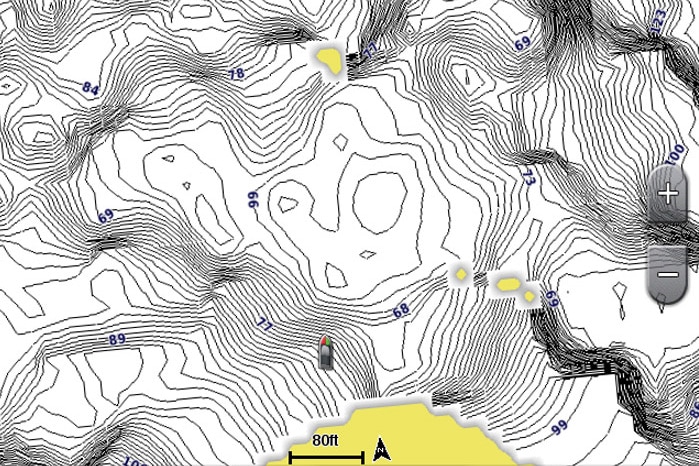
The most disruptive feature in budget marine tech is automated contour mapping. Leading units now include software that creates custom charts in real-time as you drive. By syncing depth readings with GPS speed, the device 'automates' the creation of 1-foot contour maps—a feature once reserved for commercial survey vessels.
4. Installation for Maximum Accuracy
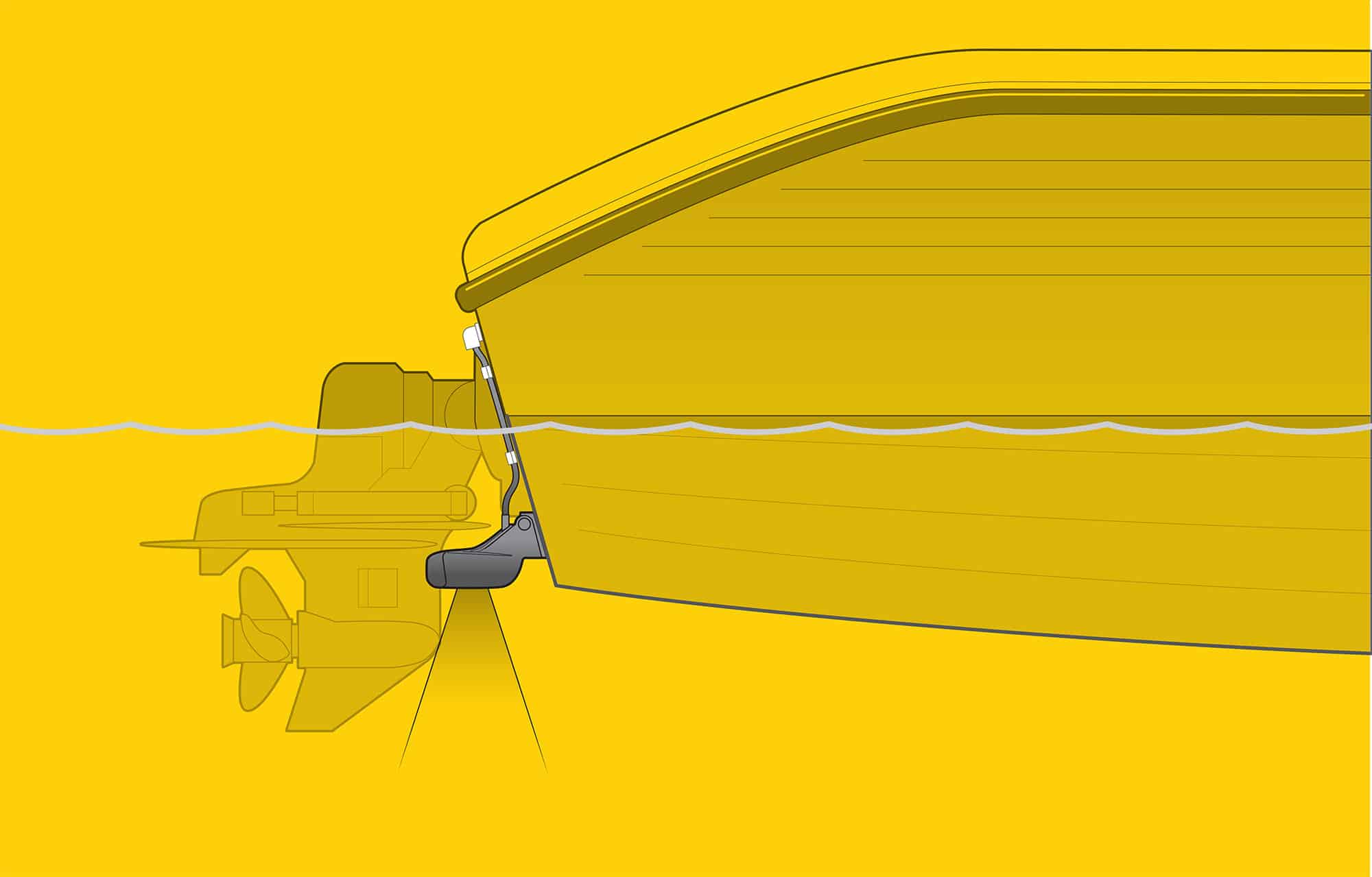
* Transducer Placement: Mount the sensor on the transom, at least 12 inches from the propeller to avoid 'clean water' interference from bubbles. * Leveling: Tilt the transducer slightly forward; the trailing edge should be a few millimeters lower than the leading edge to ensure it stays submerged at high speeds. * Air Test Warning: Never run your sonar for extended periods out of the water. Transducers dissipate heat into the water; running them dry can permanently damage the internal crystals.
Conclusion
You don’t need a five-figure electronics suite to enjoy marine automation. A well-chosen, affordable depth and speed combo acts as a digital co-pilot, transforming guesswork into a precision-guided adventure.