1. The "Optimism" Filter
Manufacturers don't aim for 100% accuracy; they aim for legal compliance. In many regions, laws dictate that a speedometer can never under-report speed for safety and liability reasons, but it is allowed to over-report by up to 10% plus a fixed margin. To stay safe, engineers calibrate the needle to be "optimistic." It’s essentially a software buffer between the raw sensor data and the driver's eyes.2. The Physics: Tires are Dynamic
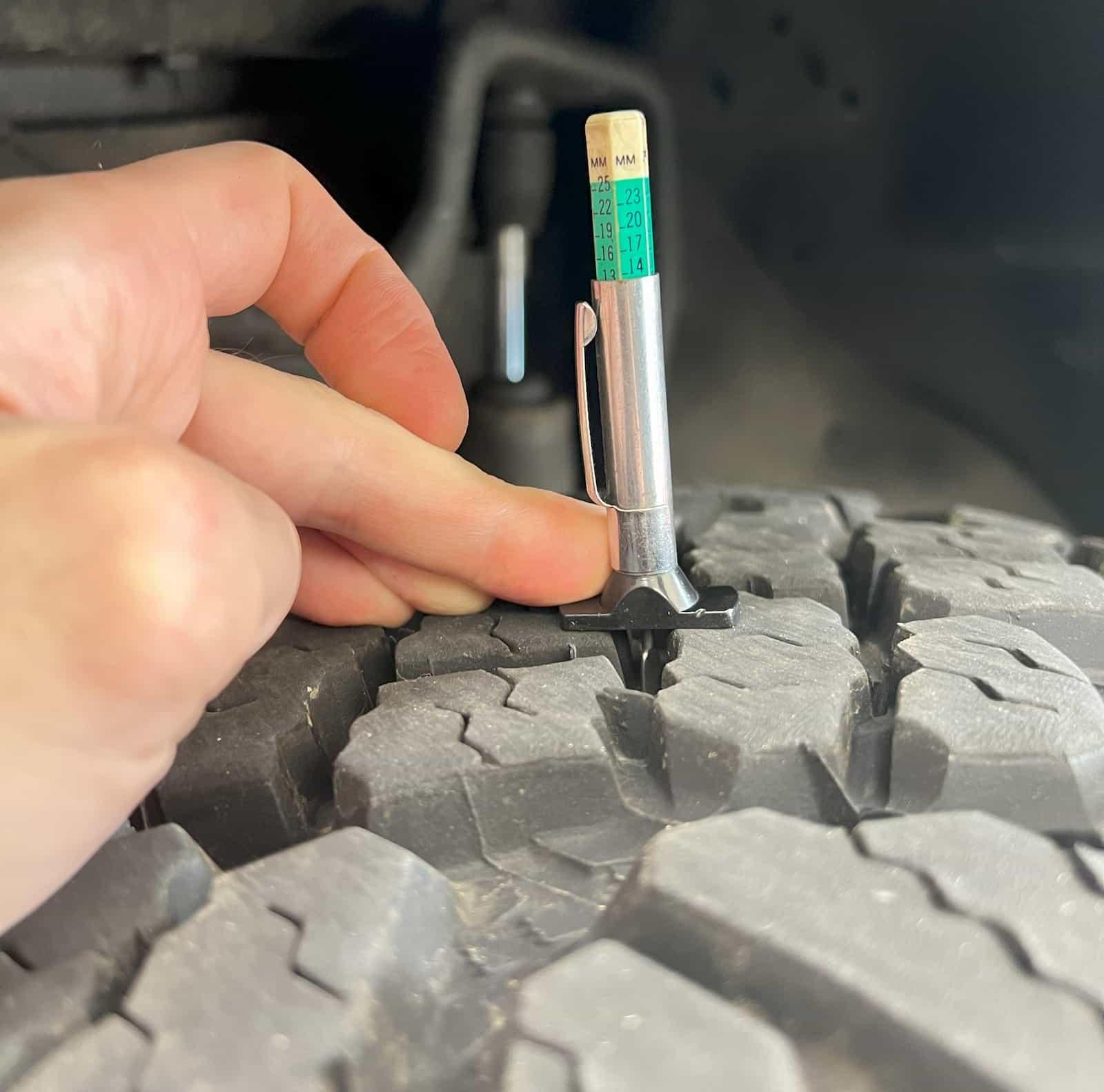
Even if the software was perfect, the hardware isn't. A speedometer measures rotational speed, not ground speed, which introduces several physical variables:* Wear and Tear: A brand-new tire has a larger circumference than a worn-out one. That tiny difference in tread depth translates to a 2-3% error over thousands of revolutions. * PSI Matters: Lower tire pressure drops the rolling radius. If you're running soft tires, your speedometer will spin faster than you’re actually moving.
3. Tapping into the CAN Bus
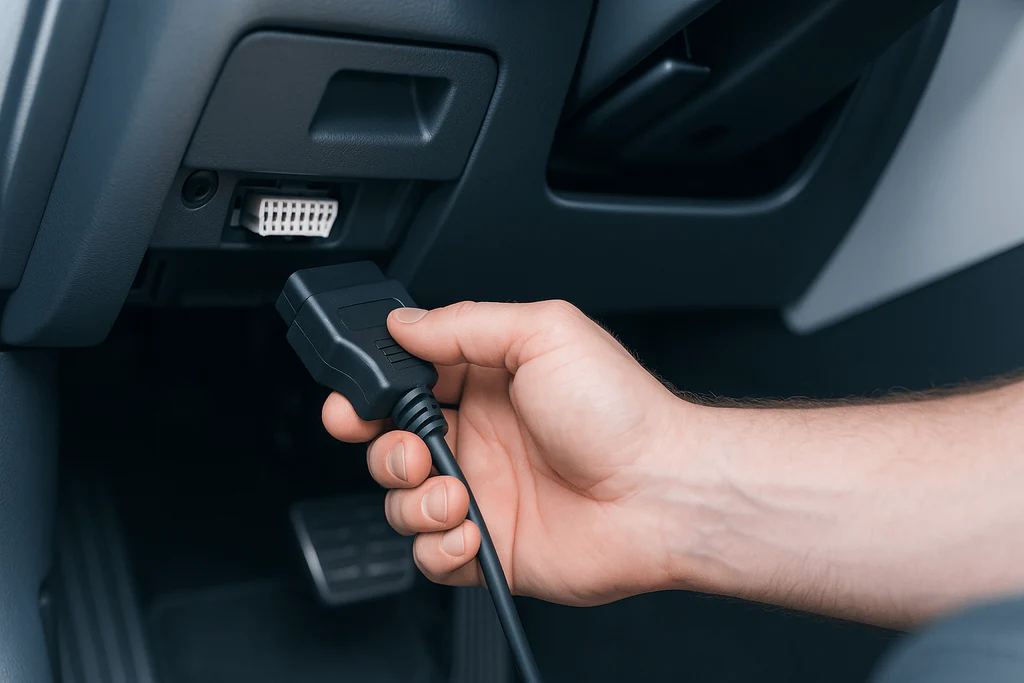
If you want the truth, you have to look past the needle. Modern cars broadcast speed as a data packet on the CAN bus (Controller Area Network). By plugging into the OBD-II port and pulling PID 01 0D, you can see the raw speed value the ECU is processing before the "optimism filter" is applied.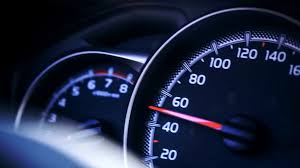
Interestingly, even this raw data is often pre-processed. For the absolute truth, we rely on GPS/GNSS. GPS calculates velocity by measuring the Doppler shift in signals from multiple satellites, making it immune to tire wear, transmission ratios, or final drive modifications.
Summary
The gap between your dash and your GPS isn't a glitch; it's a mix of legal padding and physical variables. For daily driving, that optimistic needle keeps you from getting tickets. But for data logging, precision automation, or performance tuning, the OBD-II port and GPS are your only real sources of truth.