SPEED TRACKING
2026-02-10
The Great Marine Discrepancy: Why Your Boat Speedometer Might Be Lying to You
In the world of marine tech, data integrity often hits a wall of fluid dynamics. To master your boat's performance, you must understand why traditional speedometers often fail and how to implement high-precision GPS alternatives.
1. Mechanical Fail Points
*
Pitot Tubes: These rely on air pressure created by water intake. They are prone to clogs from debris and suffer from compression lag, making them poor tools for real-time automation.
*
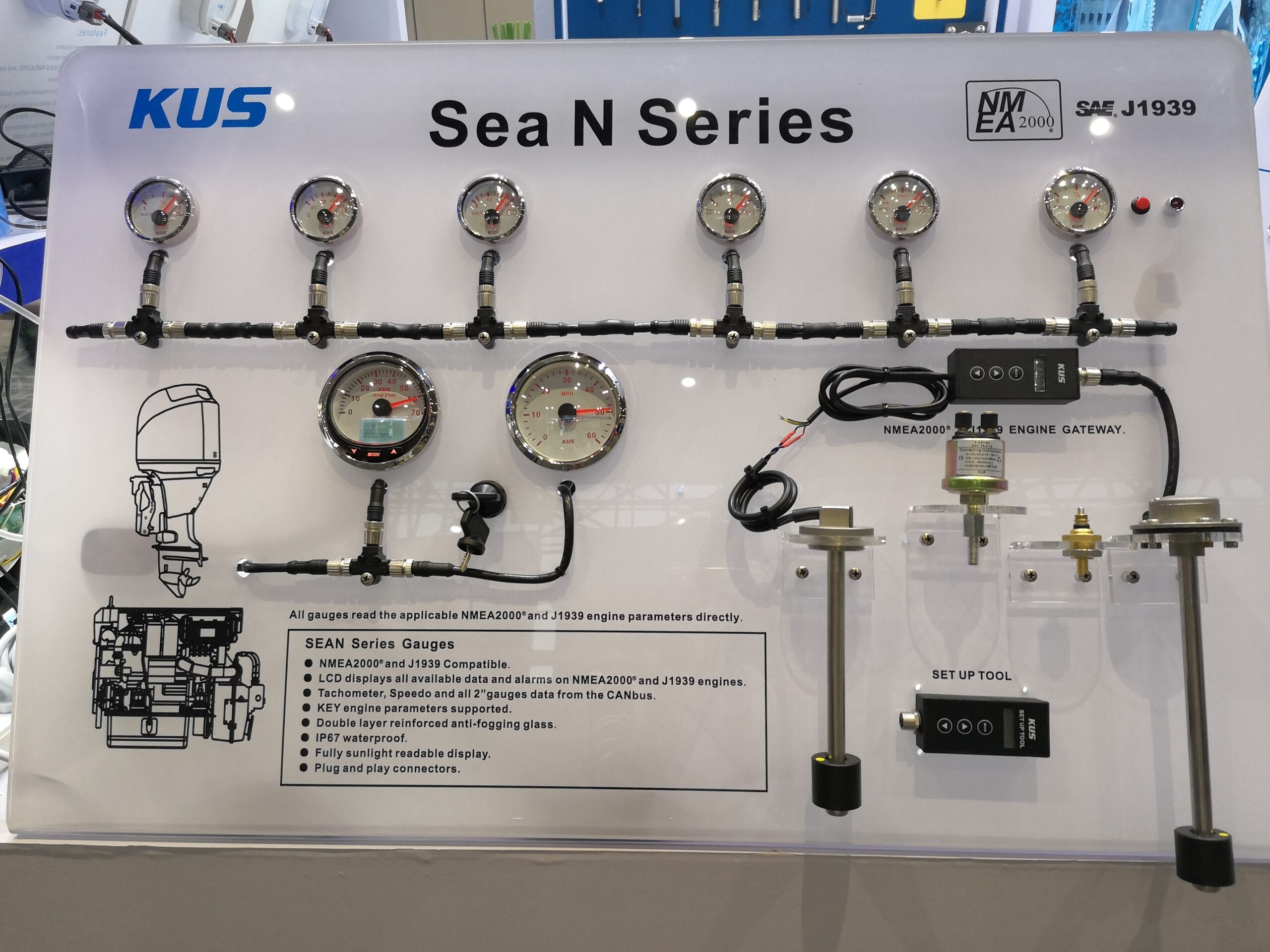
Paddle Wheels: Utilizing
Hall effect sensors, these provide better low-speed data but are vulnerable to 'bio-fouling.' Barnacles or algae increase drag, resulting in artificially low speed readings.
2. STW vs. SOG: The Data Paradox
*
Speed Through Water (STW): Measures movement relative to the water. Critical for engine tuning and hull efficiency.
*
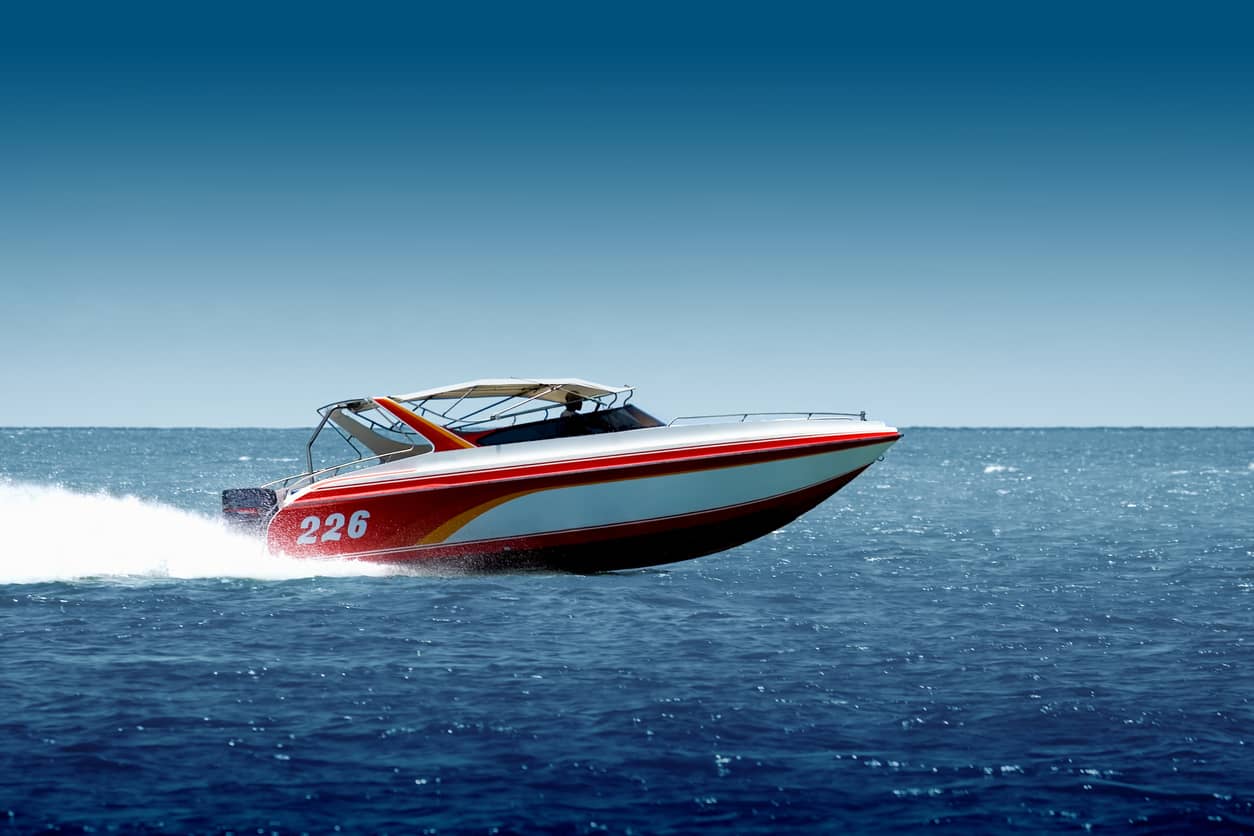
Speed Over Ground (SOG): GPS-based velocity relative to the earth. This is the gold standard for navigation.
*
The Gap: A boat heading upstream in a strong current may show a high STW but zero SOG. For precise automation, you must sync both metrics.
3. Achieving Marine Precision
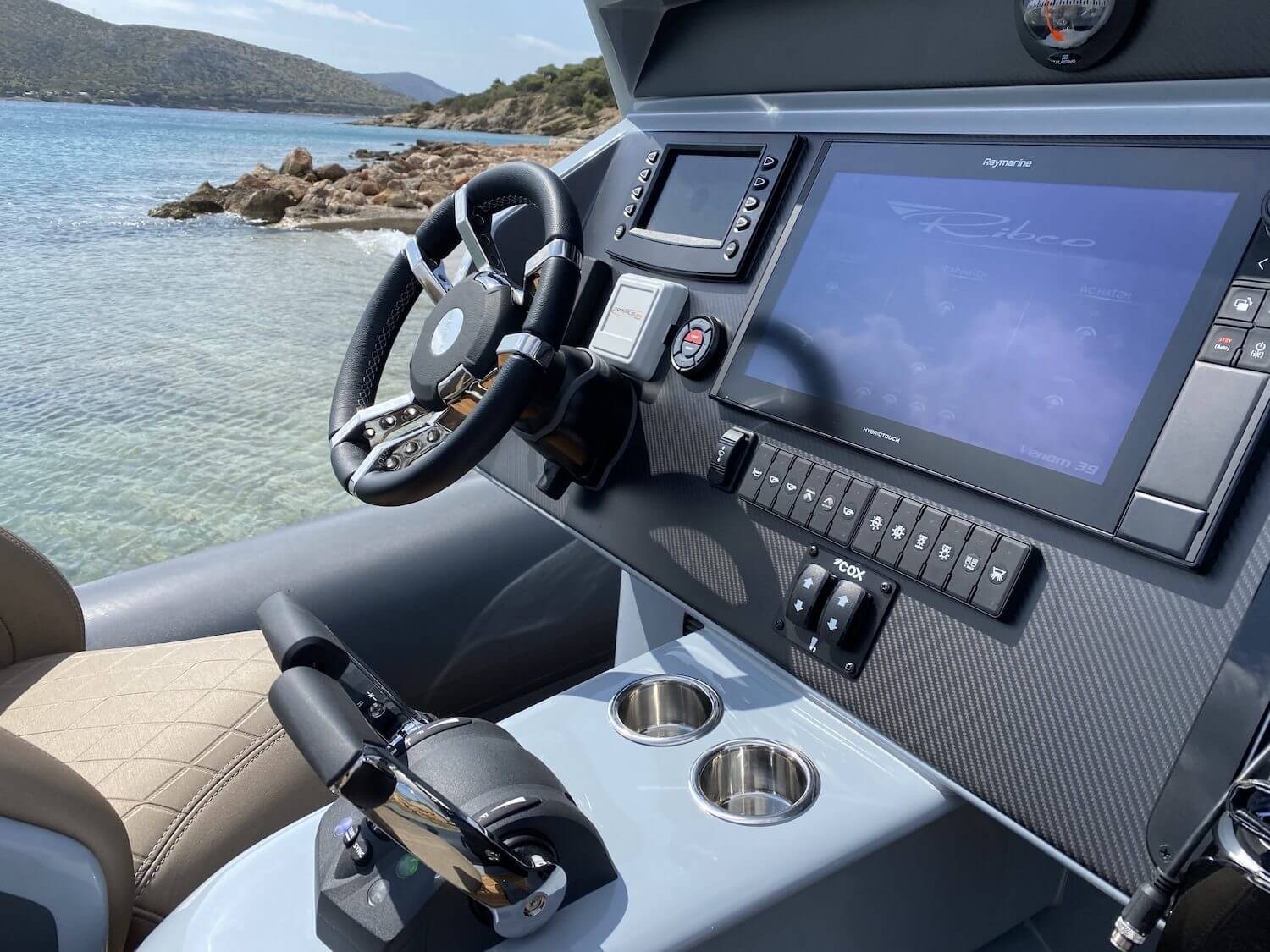
Modern 'Smart Boats' utilize
NMEA 2000 networks to facilitate
Sensor Fusion. By cross-referencing satellite SOG with mechanical STW, systems can filter out 'dirty data' from clogged sensors. For the best accuracy, use GPS for tracking and a weighted 'two-way run' to calibrate your physical sensors.
Conclusion
Analog boat speedometers are indicators, not precision instruments. By embracing GPS and NMEA integration, you can transform your boat into a high-fidelity data environment where the numbers finally match reality.