SPEED TRACKING
2026-02-10
Drag Specialties vs. V-Twin Speedometers: Navigating the Aftermarket Dash Dilemma
In the world of Harley aftermarket parts, Drag Specialties and V-Twin Manufacturing represent two distinct build philosophies. Understanding the differences in their internal construction is essential for a reliable ride.
1. Vibration Resistance: Silicone Damping
Vibration is a gauge killer. Drag Specialties units utilize
silicone-damped movements designed to stay steady under high-amplitude engine tremors. V-Twin Manufacturing focuses on
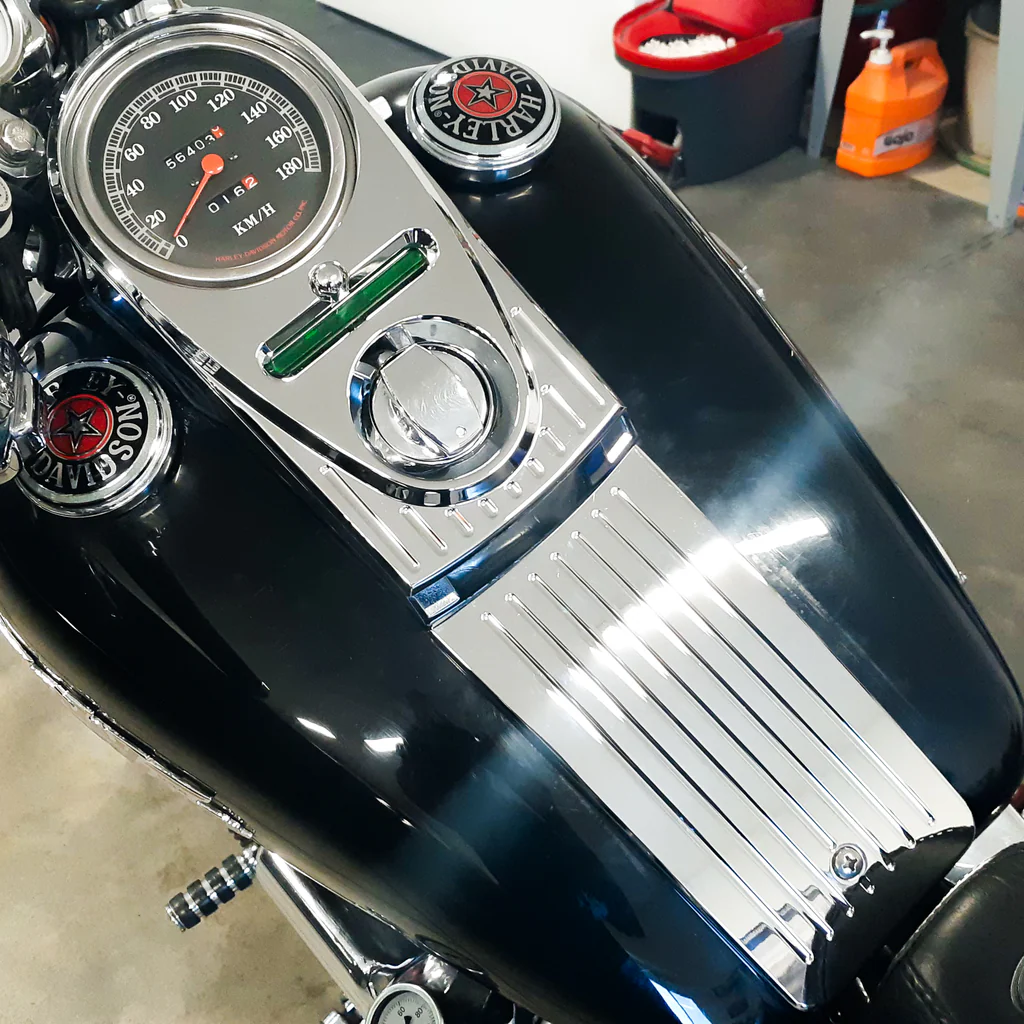
Aesthetic Authenticity, utilizing traditional mechanical structures that prioritize a vintage look, which may exhibit more needle flutter during heavy acceleration.
2. Installation: Plug-and-Play vs. Manual Sync
Drag Specialties speedometers are often pre-calibrated for modern electronic sensors, offering a
plug-and-play experience. V-Twin Manufacturing units often require a manual 'learning mode' to sync with custom tire sizes and gearing, providing more flexibility for custom builds at the cost of setup time.
3. Build Quality and Wiring
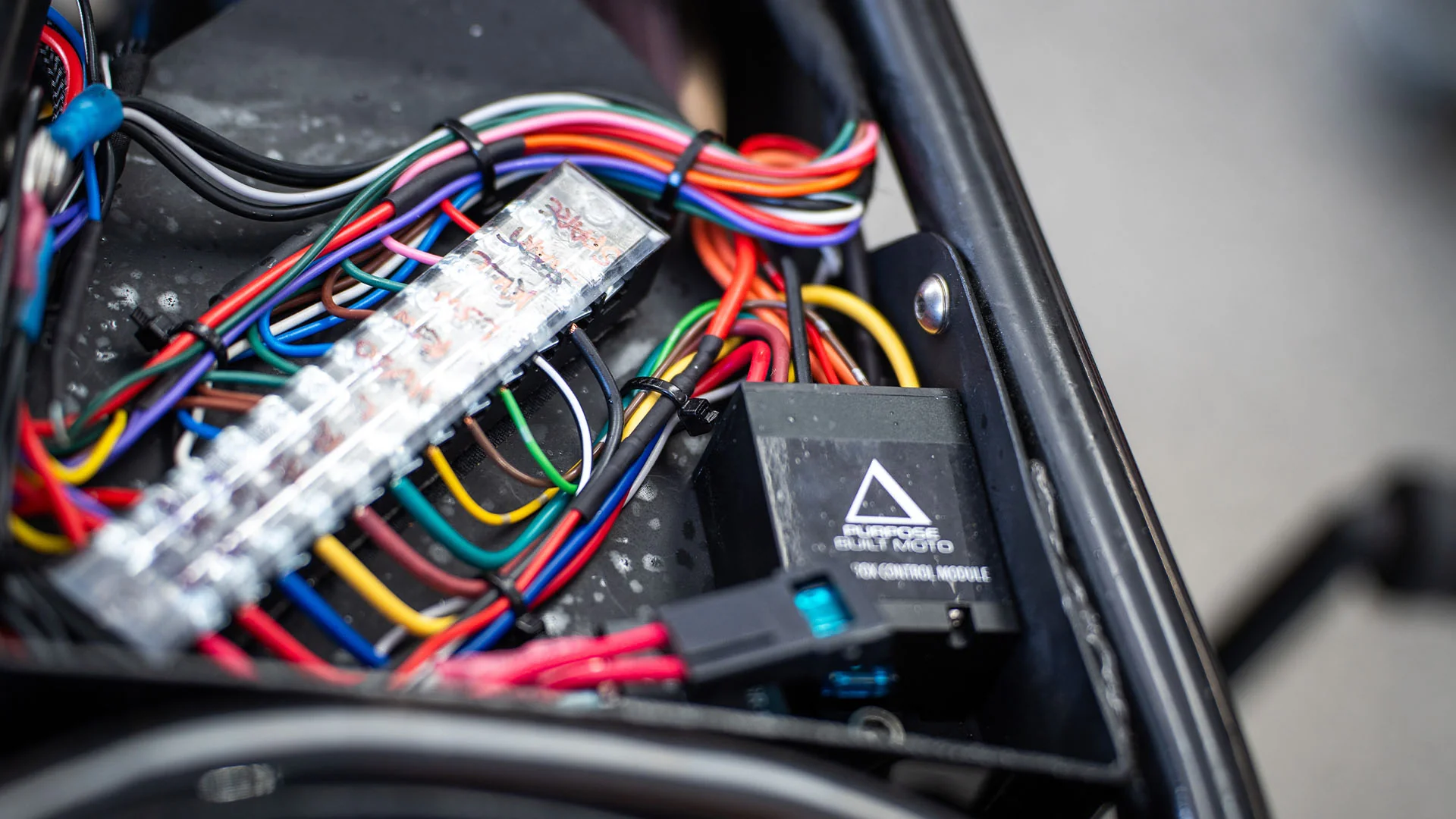
Drag Specialties typically includes factory-style sub-harnesses to protect your original wiring. V-Twin units often feature bare-wire leads, intended for custom-built choppers where manual wiring is expected.
Conclusion
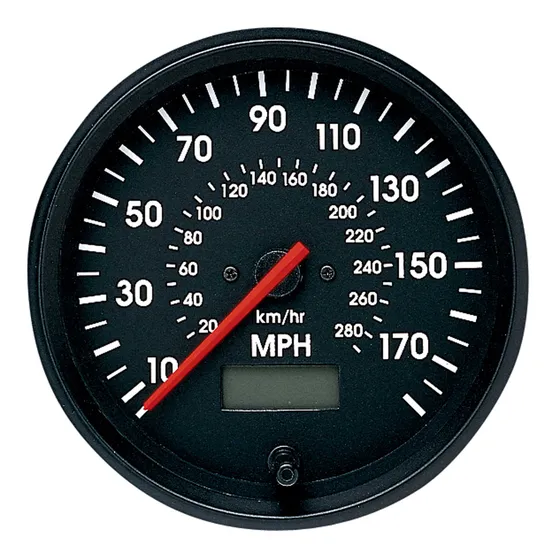
Choose Drag Specialties for a rugged, modernized dashboard and rock-steady reliability. Choose V-Twin Manufacturing for a period-correct restoration and historical accuracy. Identifying the right tool for your specific bike ensures a precision-tuned riding experience.