1. The Anatomy of Analog Automation
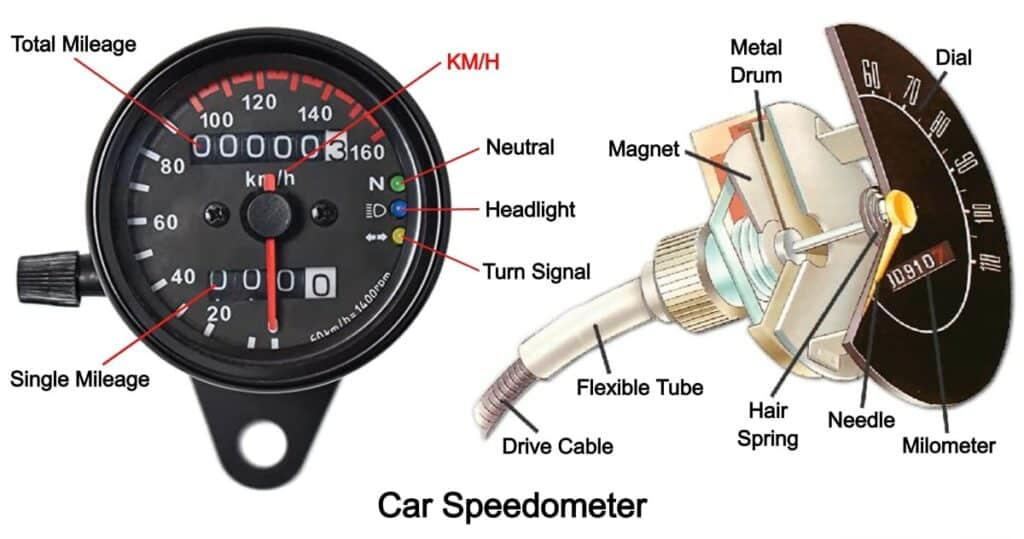
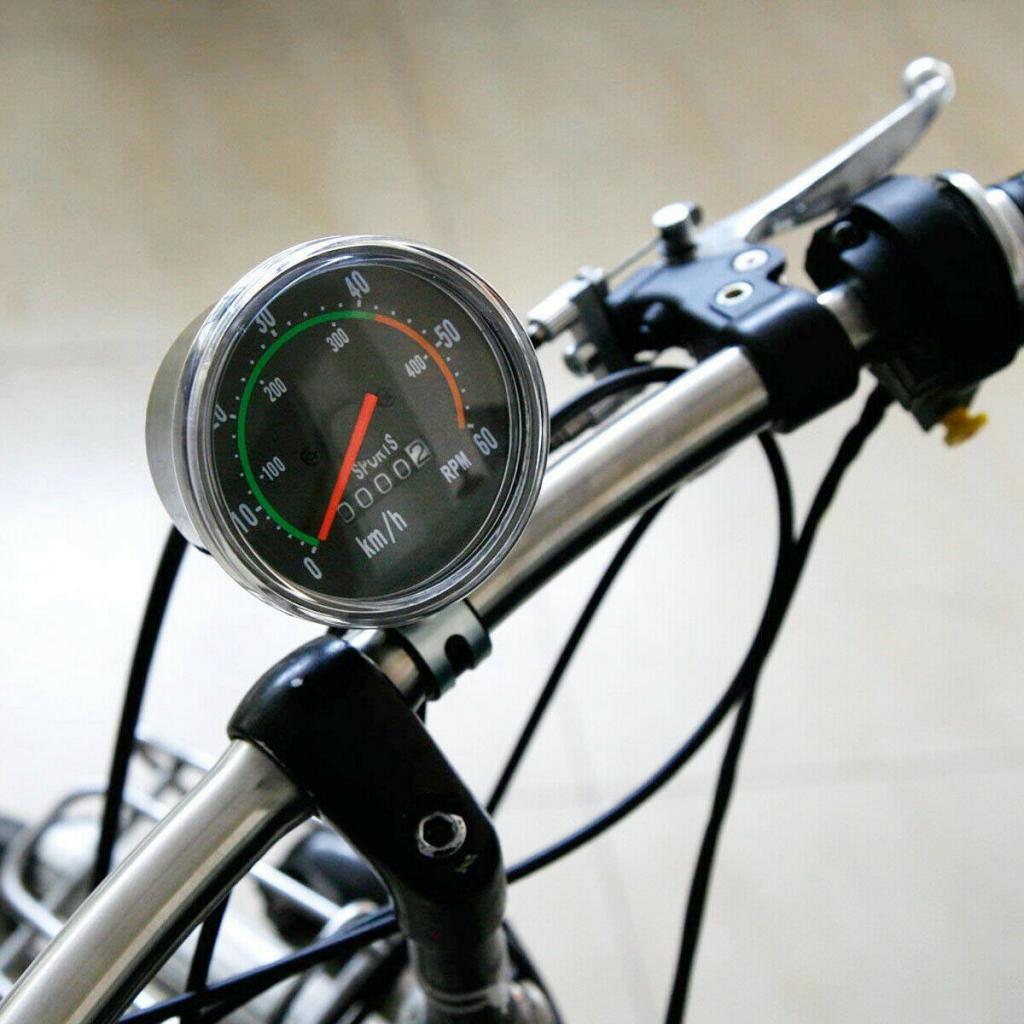
Unlike digital sensors that sample data at discrete intervals, a mechanical speedometer creates a continuous physical link between the wheel and the dial. This 'Information Gain' is achieved through a multi-stage mechanical pipeline: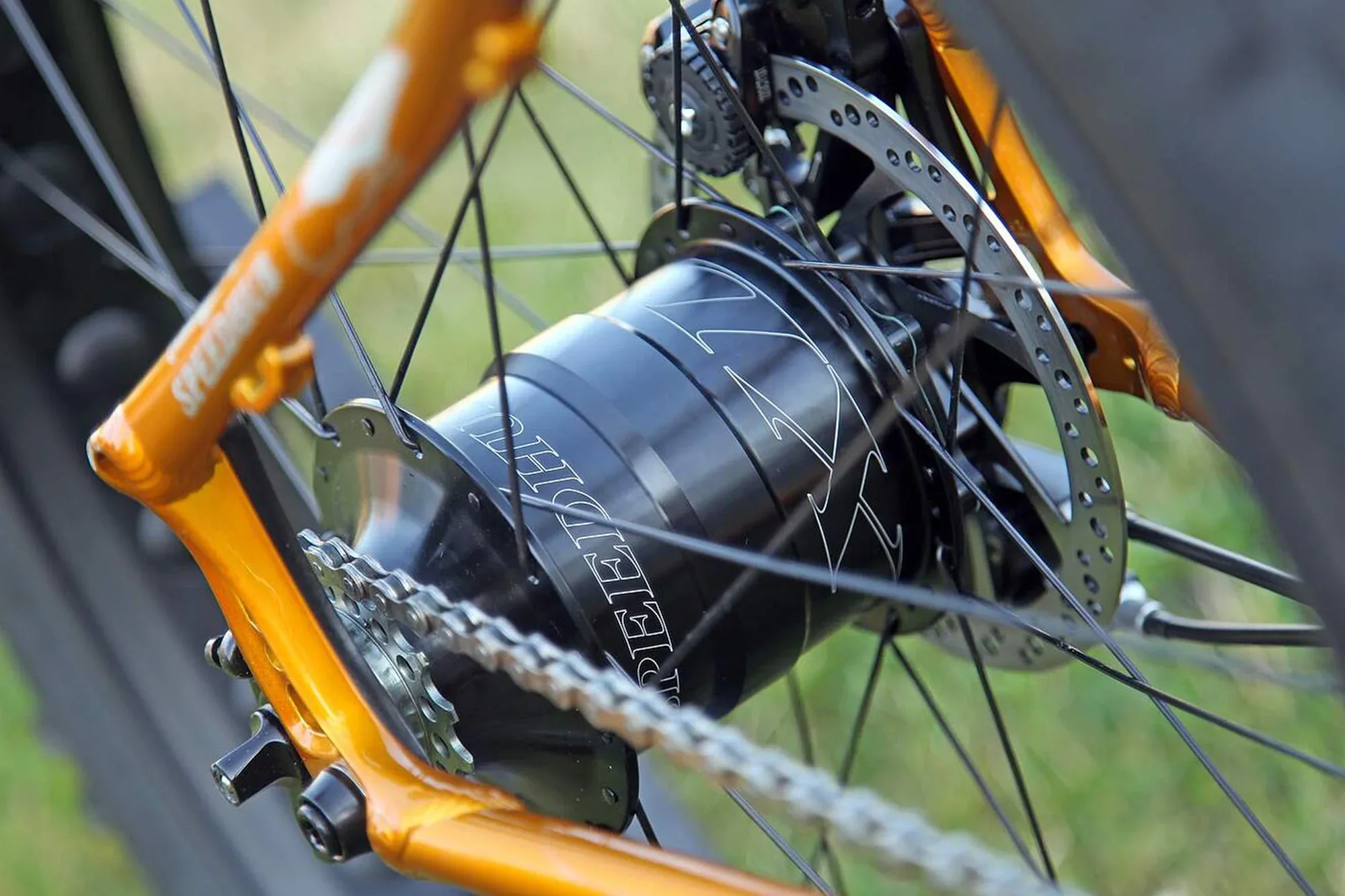
* The Drive Hub: A worm gear mounted to the front axle intercepts the wheel's rotation. A 'drive fin' coupled to the spokes ensures that every 360-degree rotation is captured without slip. * The Transmission Cable: A rotating inner steel core, protected by a lubricated sleeve, transfers the torque from the hub to the handlebar cluster.
2. The Physics of the Dial: Eddy Currents
Inside the gauge housing, the speedometer utilizes a classic Eddy Current mechanism. The rotating cable spins a permanent magnet, which induces a magnetic field in a non-ferrous aluminum cup.This creates a torque that pulls the cup (and the needle) against a calibrated hairspring. The resulting needle position is a direct analog of your velocity—offering fluid, zero-lag movement that digital displays cannot replicate. Simultaneously, a secondary gear train reduces the input rotation to drive a physical odometer, documenting total distance through immutable mechanical counting.