SPEED TRACKING
2026-02-21
Beyond the Needle: Decoding the Real-World Accuracy of Car Speedometers
In high-precision telemetry, the speedometer is a unique anomaly—an instrument intentionally tuned for 'optimistic' reporting. Understanding this systematic 'speedometer delta' is essential for mastering vehicle data.
1. Hard-Coded Compliance
Manufacturers prioritize legal immunity over precision. Under the
UN ECE R39 mandate, indicated speed is forbidden from being lower than true velocity. To hedge against production variables, engineers implement a
+2% to +5% software buffer, ensuring the driver stays within legal limits despite mechanical wear.
2. The Physics of Data Noise
Velocity calculation relies on a static assumption of the tire's
rolling radius. Real-world variables disrupt this math:
*
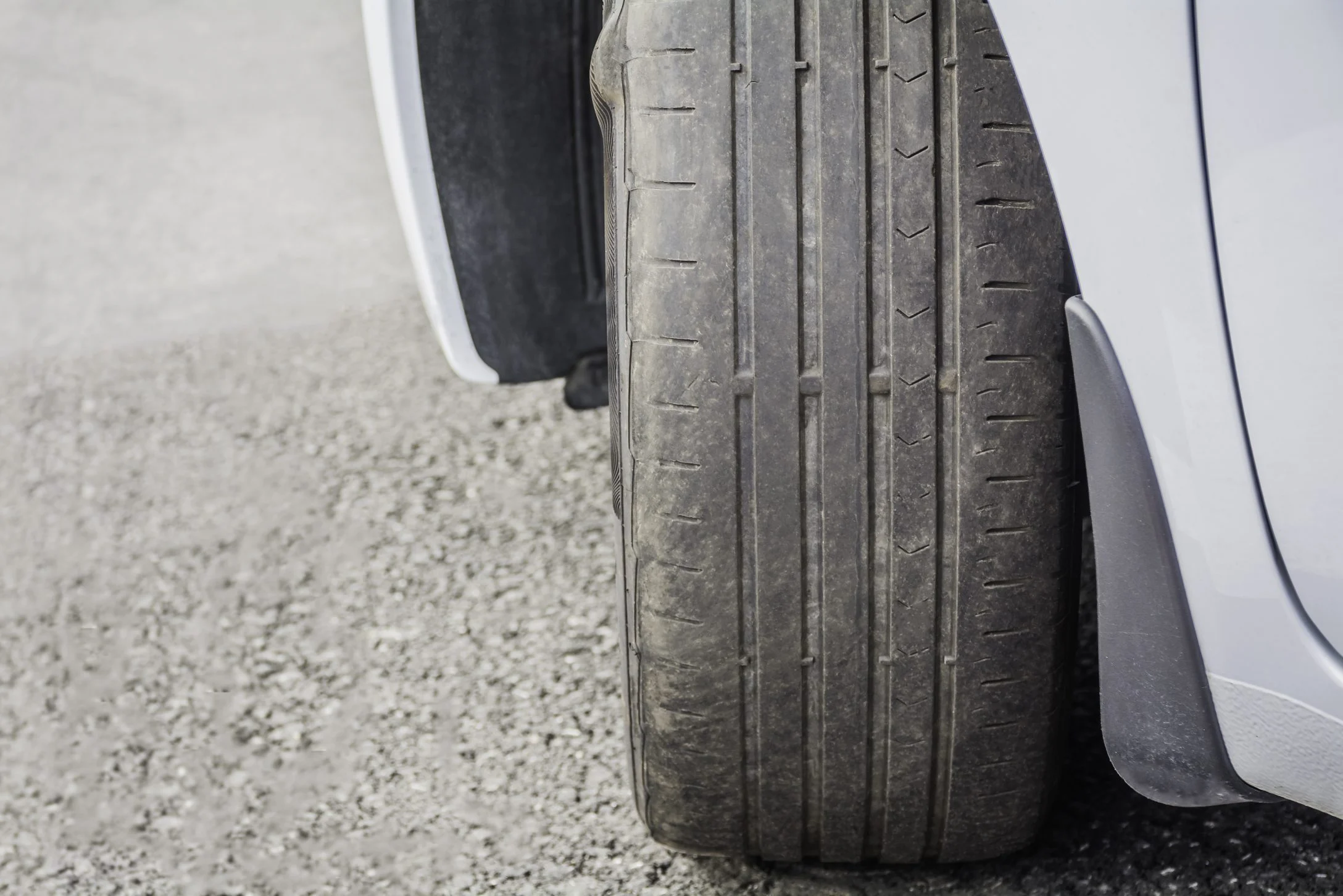
Tread Degradation: Smaller, worn tires complete more cycles per mile, causing the dashboard to 'over-clock' your speed.
*
Uncalibrated Upgrades: Larger aftermarket wheels cover more ground per pulse than the ECU expects, potentially leading to dangerous under-reporting.
3. Accessing Ground Truth
For developers seeking
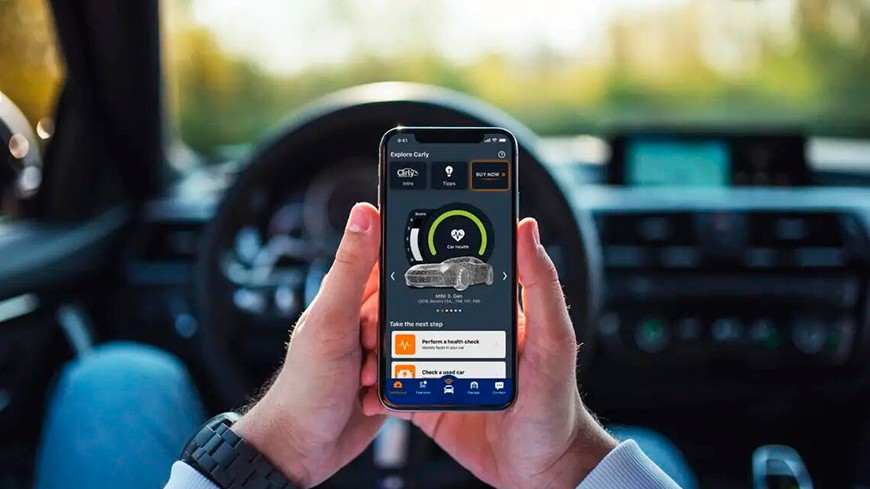
Data Fidelity, the dashboard is a secondary source. The gold standard is pulling raw wheel-speed data via
OBD-II, bypassing the UI offset. Modern autonomous stacks refine this through
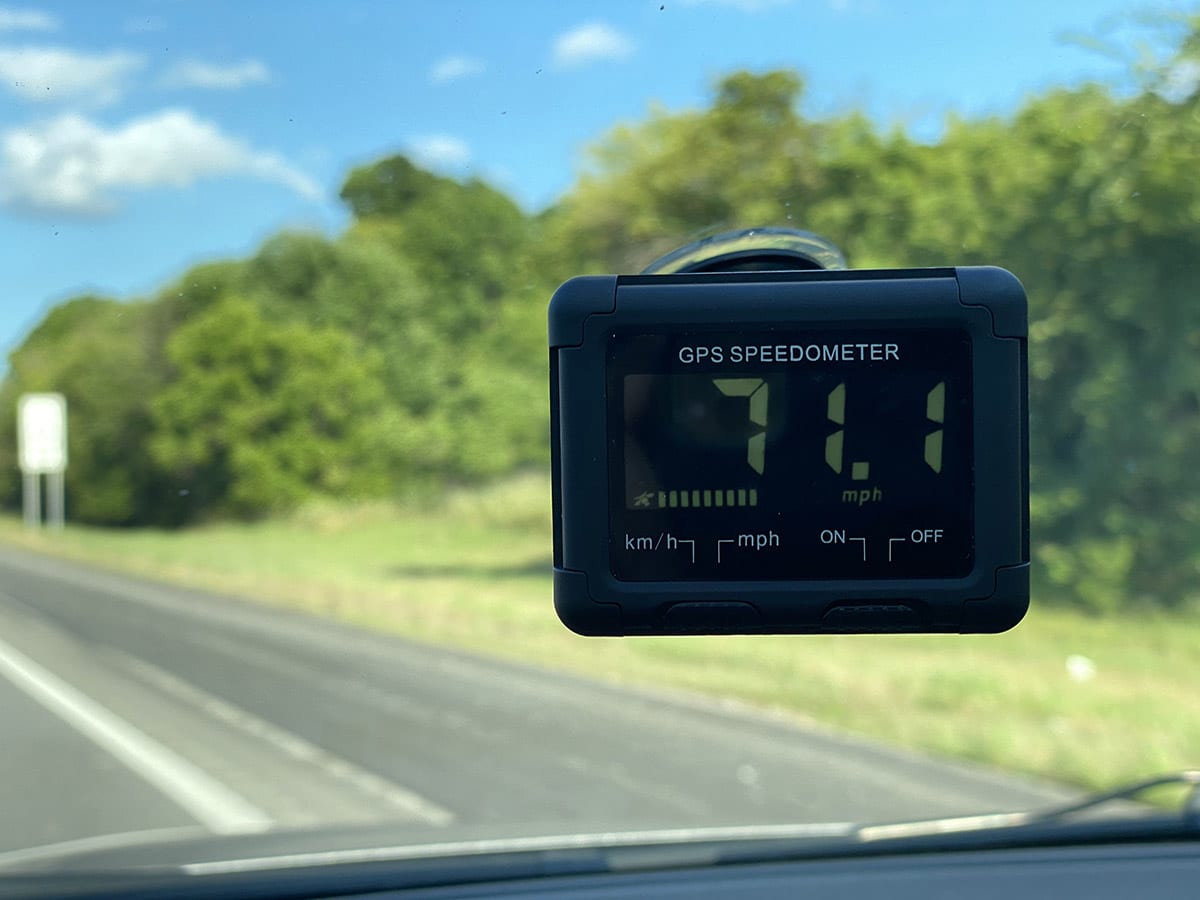
Sensor Fusion, combining GNSS data with IMUs to eliminate the noise of tire slip and signal latency.
Conclusion
Your speedometer is a safety-oriented interface, not a precision sensor. For performance logging, rely on a hybrid of OBD-II telemetry and high-refresh GPS. Identifying the systematic bias in your dash allows you to drive with an engineer’s precision.