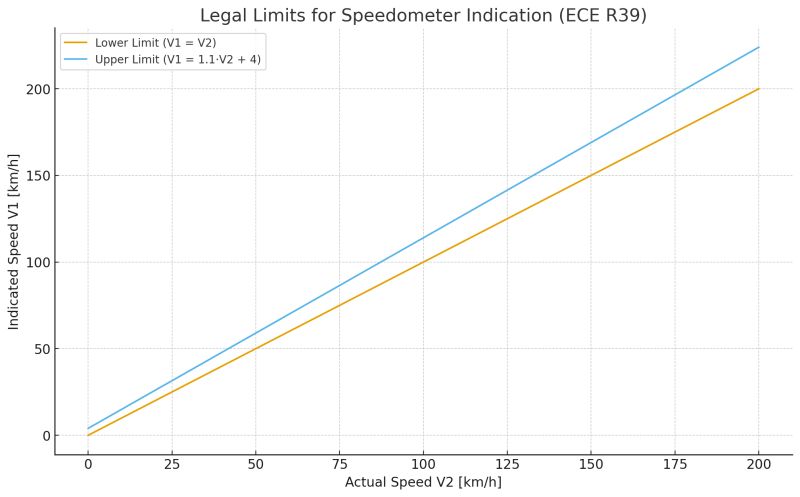
1. The Anatomy of Digital Speedometer Performance
In a traditional car, the speedometer was a slave to a mechanical cable. In the digital era, 'performance' is defined by the speed of the CAN-bus data stream and the refresh rate of the LCD.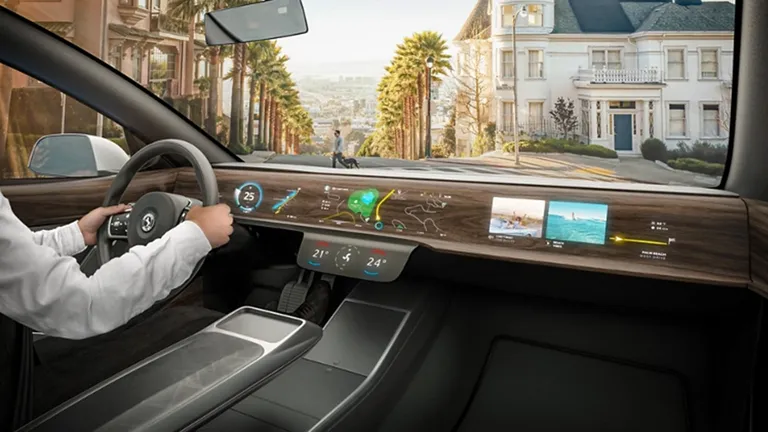
Professional automotive testing focuses on three performance vectors: * Data Refresh Frequency: How many times per second the display updates the speed (e.g., 60Hz or 120Hz). A low-frequency display leads to a 'stepping' effect during rapid acceleration. * Input Latency: The delay between a change in actual wheel speed and the corresponding movement on the dashboard. * Precision Gain: The accuracy of the conversion from Vehicle Speed Sensor (VSS) pulses to the digital MPH/KMH readout.
2. Crafting the Performance Sentence: Professional Examples
When documenting a vehicle's telemetry or reviewing a performance upgrade, the terminology must link technical speed to driver perception: * OLED Cluster Context: "The new digital cockpit pushed the speedometer's refresh rate to a fluid 120Hz, ensuring zero ghosting during 0-60mph sprint testing." * Sensor Calibration: "By recalibrating the VSS algorithm, we successfully aligned the digital speedometer with GPS ground truth, achieving a sub-1% error margin at highway speeds."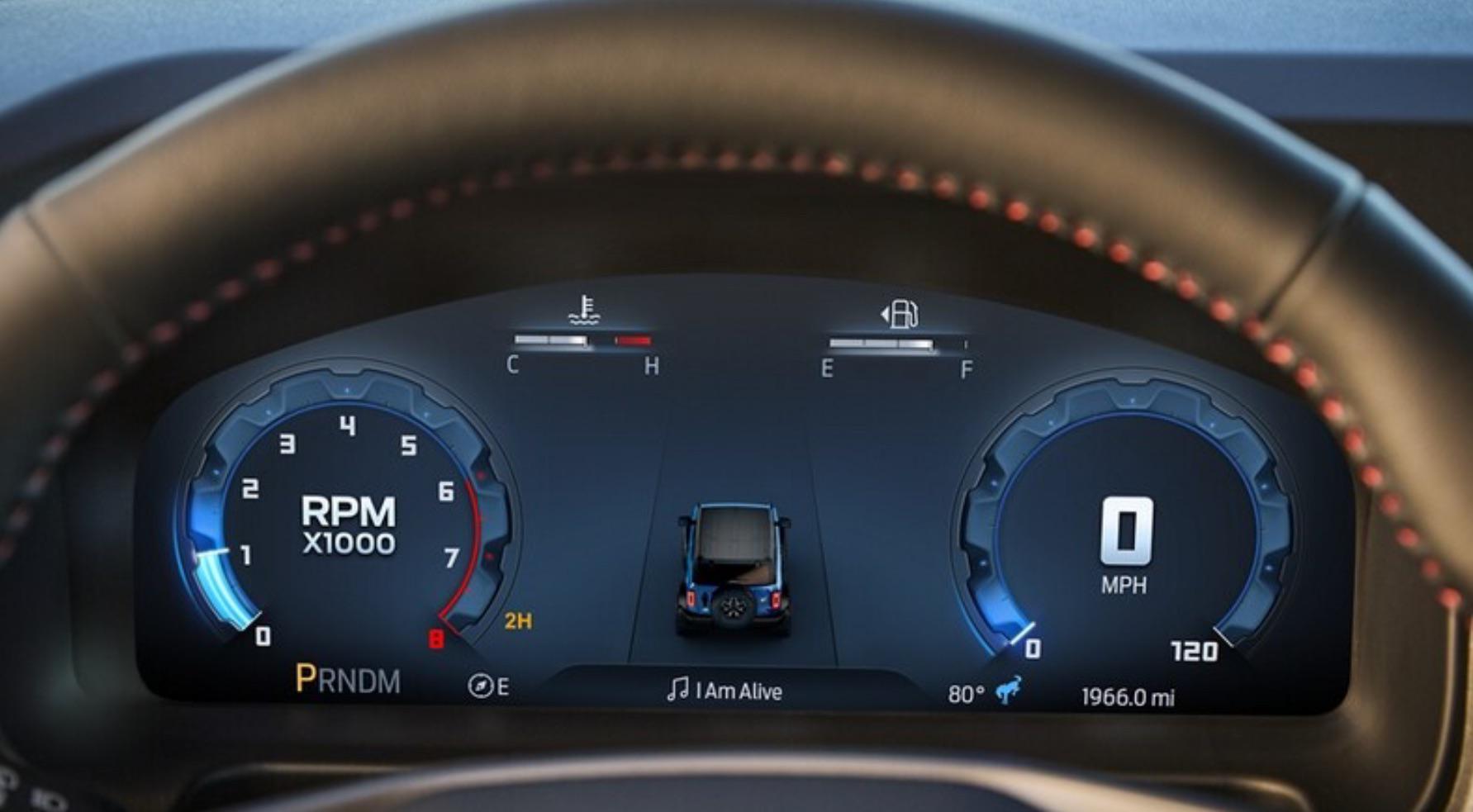
3. Critical Latency and the 'Visual Lag'
In performance driving, display lag is a liability. If a digital speedometer has a high latency, the driver may be traveling faster than the screen suggests during hard braking or aggressive launches.A professional approach involves identifying the Processing Ceiling: the point where the car's onboard computer can no longer keep up with the sensor pulses, causing the needle to lag behind the actual physics of the journey. Achieving a 'real-time' feel requires a low-latency data pipeline from the wheel hub to the HMI (Human-Machine Interface).