In the automotive telemetry landscape, the speedometer is more than a display—it is a critical sensor node. For drivers in Midlothian, VA, maintaining the alignment between real-world velocity and dashboard reporting is an essential exercise in data integrity, affecting both vehicle safety systems and legal compliance.
1. The Mechanics of Signal Drift
Modern instrumentation relies on
Hall Effect sensors to monitor the transmission output shaft or wheel hubs. This digital pulse stream is processed by the Engine Control Unit (ECU) based on a hard-coded 'Rolling Radius' constant. In Midlothian's varying road conditions, several variables introduce mechanical noise into this data stream:
*
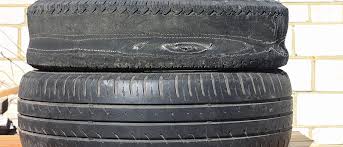
Rolling Radius Decay: Tire tread wear or PSI fluctuations subtly alter the wheel diameter. A smaller radius increases the pulse frequency per mile, causing the ECU to report a 'Speedometer Delta' higher than actual velocity.
*
Electronic Signal Degradation: Heat-induced resistance in sensor wiring can lead to erratic pulse sampling, compromising the precision of automated systems like Adaptive Cruise Control (ACC).
2. Legal Defense and Data Auditing
In Virginia, a
Speedometer Calibration Certificate serves as a notarized audit of a vehicle's telemetry. For those facing traffic infractions, this technical evidence can mitigate legal outcomes by proving a hardware-level calibration failure. This process shifts the burden from intentional speeding to a documented discrepancy between the displayed UI and the true Ground Speed (SOG).
3. The Professional Calibration Protocol
To achieve sub-decimeter precision, specialized facilities in Midlothian utilize a digital-first diagnostic workflow:
*
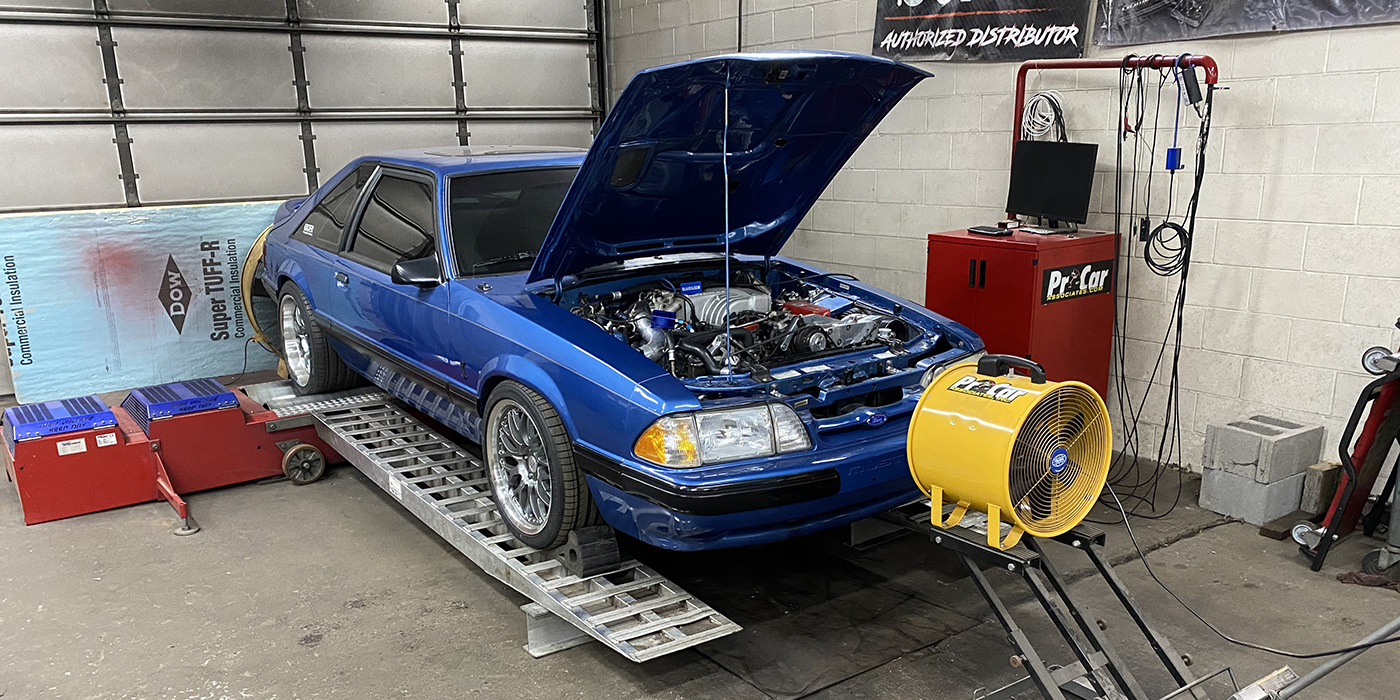
Chassis Dynamometer Interface: The vehicle is placed on computer-controlled rollers to simulate road loads while maintaining a stable environment for sensor sampling.
*
Linear Mapping: Technicians verify the accuracy at multiple intervals (25, 45, 55, and 70 mph), creating a functional map of the speedo-error curve.
*
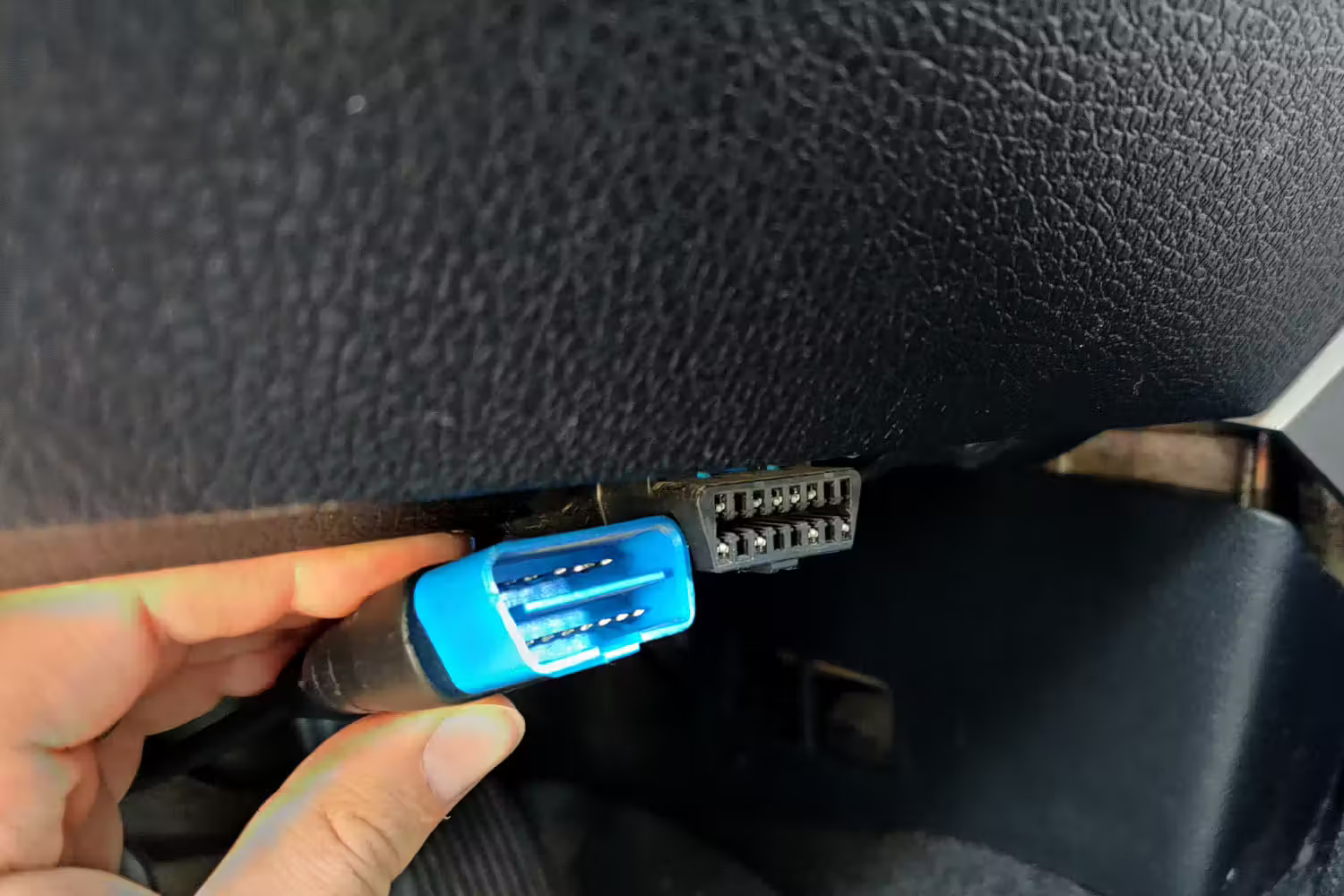
ECU Parameter Injection: If a discrepancy is found, automation tools are used to reprogram the ECU, updating the pulse-to-velocity constants to account for aftermarket modifications or mechanical drift.
Conclusion
Speedometer calibration in Midlothian is no longer a simple mechanical fix; it is a validation of the vehicle's entire data stack. By reconciling factory sensors with professional diagnostic hardware, you ensure that your vehicle's automation—and your legal standing—remains calibrated to the truth.