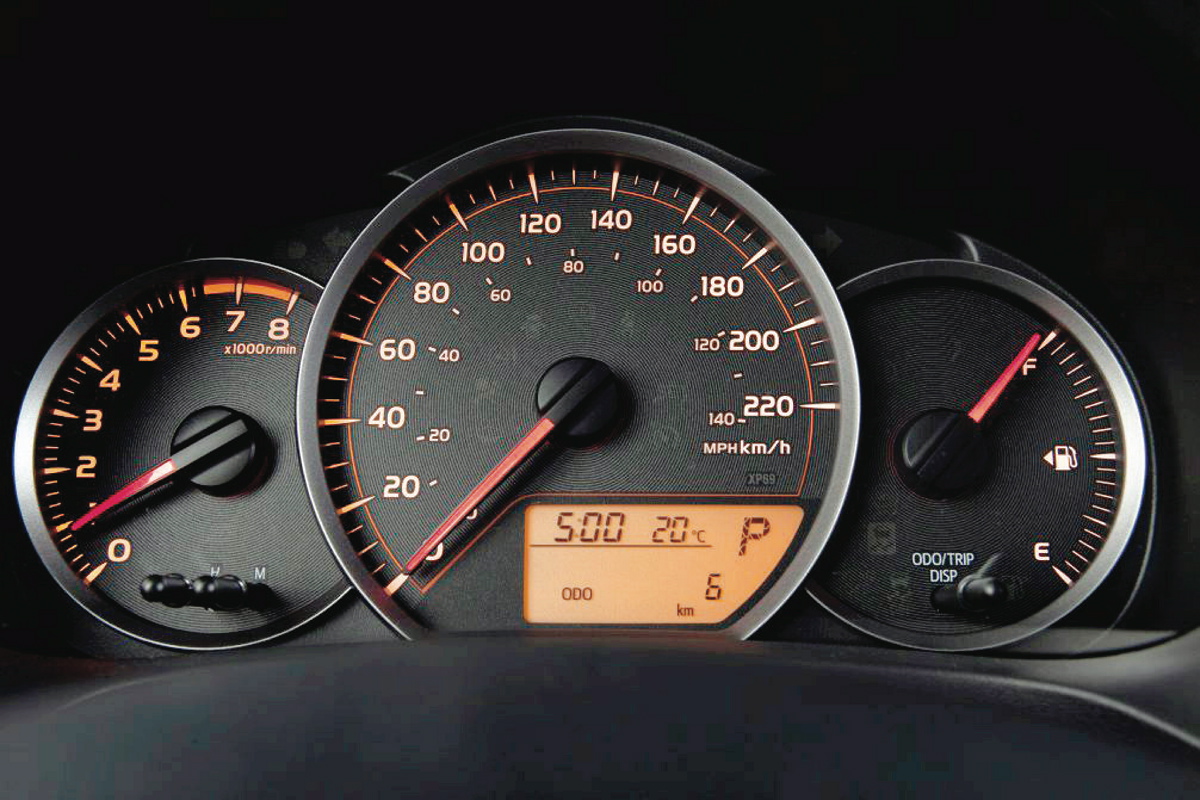
In vehicle telemetry, the instrument cluster is rarely a source of absolute ground truth. While drivers rely on the speedometer for legal compliance, the displayed value is an intentional software-filtered estimation. Understanding why speedometers are calibrated to overestimate speed slightly requires an analysis of international regulatory buffers and the mechanical variables of the rolling chassis.
1. The Engineering of Systematic Bias: UN ECE R39
Speedometer accuracy is governed by strict legal frameworks. International standards, such as
UN ECE Regulation 39, stipulate that an indicated speed must
never be lower than the true speed. To mitigate manufacturer liability, engineers implement a 'positive offset'—a deliberate bias where the display shows a speed higher than reality. The permitted margin can be as high as
10% of the true speed plus 4 km/h. This ensures that even with production variances, the dashboard never under-reports velocity.
2. Mechanical Jitter: The Rolling Radius Variable
Speedometers derive velocity by sampling the rotation frequency (RPM) of the transmission or wheel hubs via
Hall Effect sensors. This calculation relies on a static assumption of the tire's circumference, which is compromised by physical entropy:
*
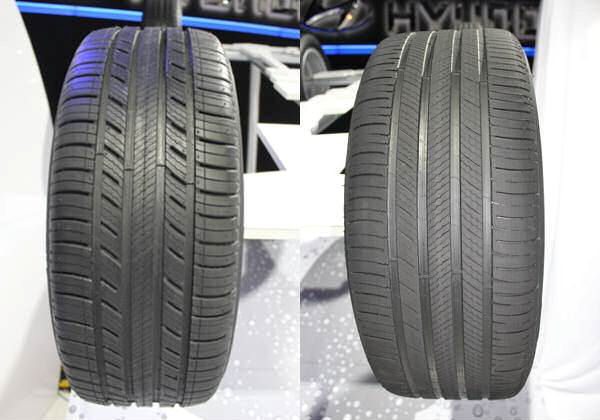
Tread Degradation: As tires wear, the outer diameter shrinks. A smaller wheel must rotate faster to cover the same distance, forcing the ECU to report an inflated velocity.
*
Inflation and Load: Under-inflated tires compress the rolling radius, increasing the pulse frequency per mile and further skewing the dashboard's 'optimistic' bias.
3. GNSS Ground Truth: Doppler Shift vs. Sensor Pulse
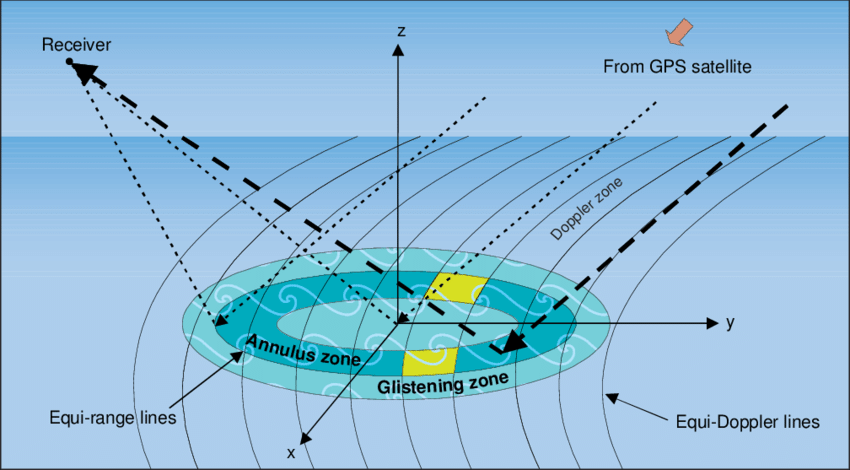
If the dashboard and a smartphone disagree, the smartphone's GNSS (Global Navigation Satellite System) data is typically the more objective reference. Unlike the car's mechanical pulse counting, GPS calculates velocity using the
Doppler shift of satellite signals. This method is independent of tire wear or gear ratios. While GPS may suffer from 1Hz latency (one update per second) or 'Urban Canyon' signal bounces, its steady-state accuracy on a level road is far superior to factory instrumentation.
4. Sensor Fusion and Automation
As we move toward Level 2/3 autonomous systems, the 'optimistic' speedometer becomes a technical liability. Modern automated vehicles utilize
Sensor Fusion, reconciling raw wheel speed pulses with high-frequency IMU (Inertial Measurement Unit) data and GNSS ground truth. This creates a unified velocity vector that eliminates the inherent deceptions of the dashboard, ensuring precise following distances and safer maneuvers.
Conclusion
Are speedometers calibrated to overestimate speed? Yes—they are precisely inaccurate by design. They act as a safety-oriented interface, protecting the driver from legal infractions while accounting for physical wear and tear. For mission-critical tracking, the gold standard remains the integration of raw ECU telemetry with high-refresh satellite data.