SPEED TRACKING
2026-02-11
The Ghost in the Dashboard: Are Car Speedometers Accurate UK Standards and the Tech Behind the Data
In the era of software-defined vehicles, the speedometer is an intentional UI offset. Understanding this 'algorithm buffer' is the key to mastering 2026 vehicle telemetry standards.
1. The Human-AI Interface: UN ECE R39
The $10% + 6.25 mph$ UK buffer is no longer just a legal safety net; it's a hard-coded 'nudge' within vehicle firmware. This systematic over-estimation automates compliance with speed camera thresholds, effectively integrating legal constraints into the driver experience.
2. AI-Driven Dynamic Calibration
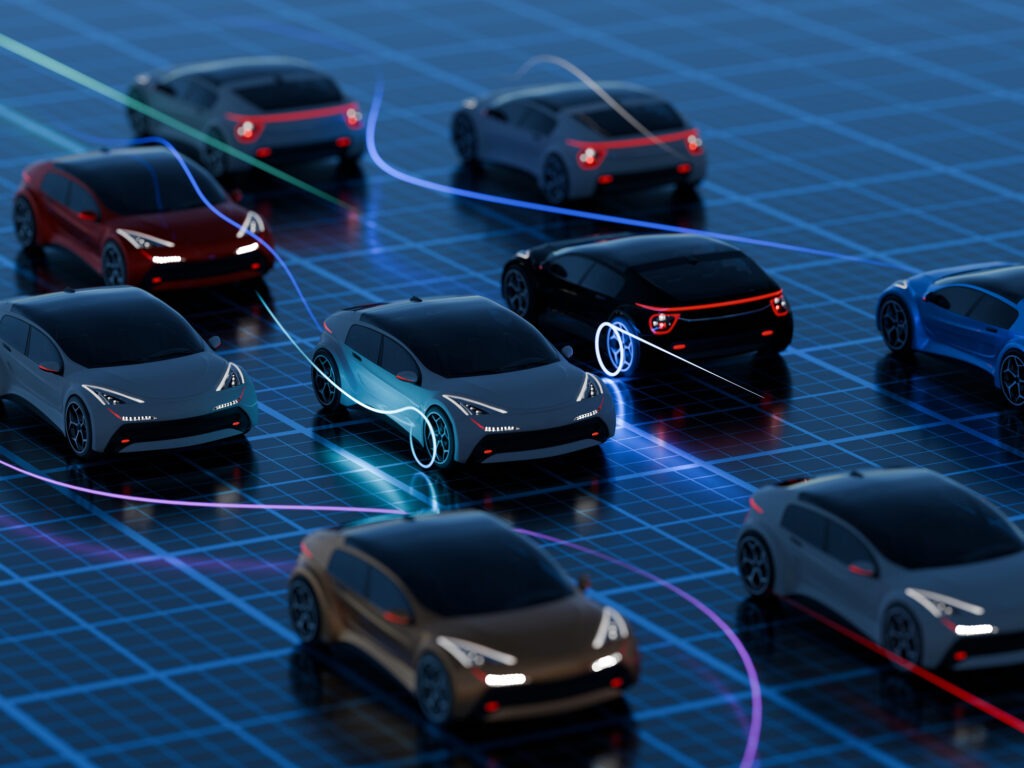
Modern cars use AI to calculate
Dynamic Rolling Radius in real-time, accounting for tire deformation and load. However, the dashboard UI intentionally filters this precision data to remain 'optimistic.' To access true ground speed, enthusiasts now rely on raw
CAN bus data via OBD-II, bypassing the UI's mandatory padding.
3. The Future: Multi-Source Sensor Fusion
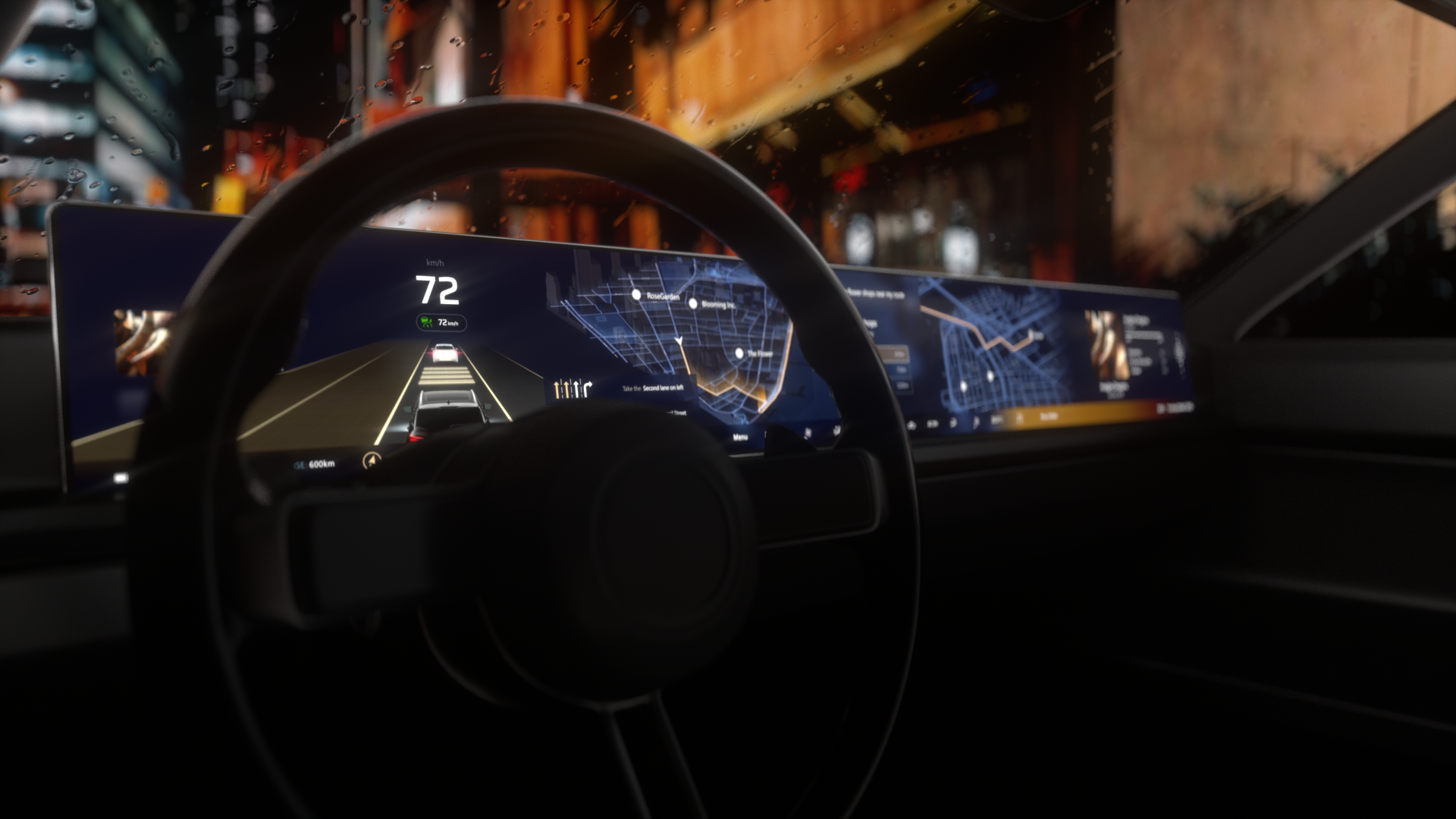
The gold standard for 2026 data fidelity is
Sensor Fusion—reconciling GPS, IMU, and wheel-speed pulses. This creates a high-fidelity 'Digital Twin' of your drive, eliminating the latency and bias of traditional analog-style gauges.
Conclusion
Mastering your vehicle's telemetry in 2026 requires looking beyond the dashboard. By integrating raw sensor data with high-refresh GPS, you can reclaim data integrity and drive with an engineer’s absolute precision.