In the vehicle telemetry and safety sector, the speedometer is defined as a critical primary sensor for operator situational awareness. However, the legal necessity of a functional gauge is a multi-layered issue involving federal manufacturing mandates and state-specific maintenance codes. Understanding whether you are required to have a working speedometer necessitates a look at the data flow within the chassis.
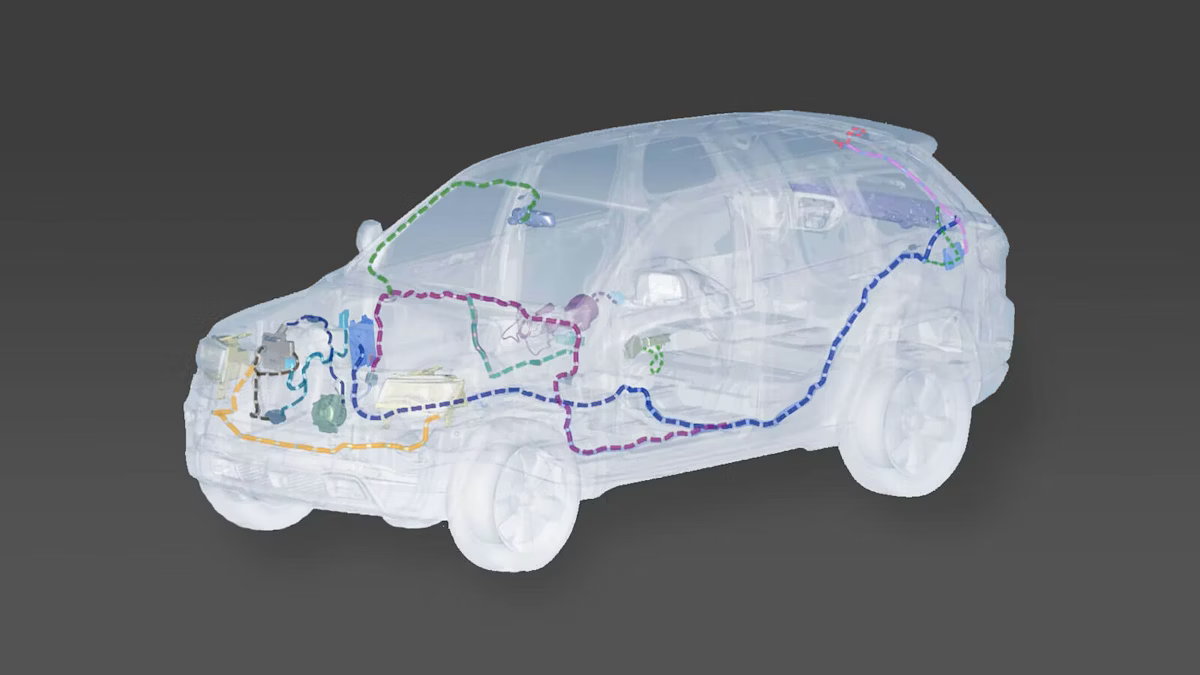
1. Regulatory Framework: FMVSS 101 vs. State Codes
At the manufacturing level, the
Federal Motor Vehicle Safety Standard (FMVSS) No. 101 stipulates that all vehicles sold in the U.S. must be equipped with a functional speedometer to provide standardized velocity data. Once a vehicle enters private ownership, enforcement shifts to state-level vehicle codes. In strict jurisdictions like Pennsylvania or New York, a non-functional instrument cluster is a binary failure point for annual safety inspections, as it is classified as essential safety equipment.
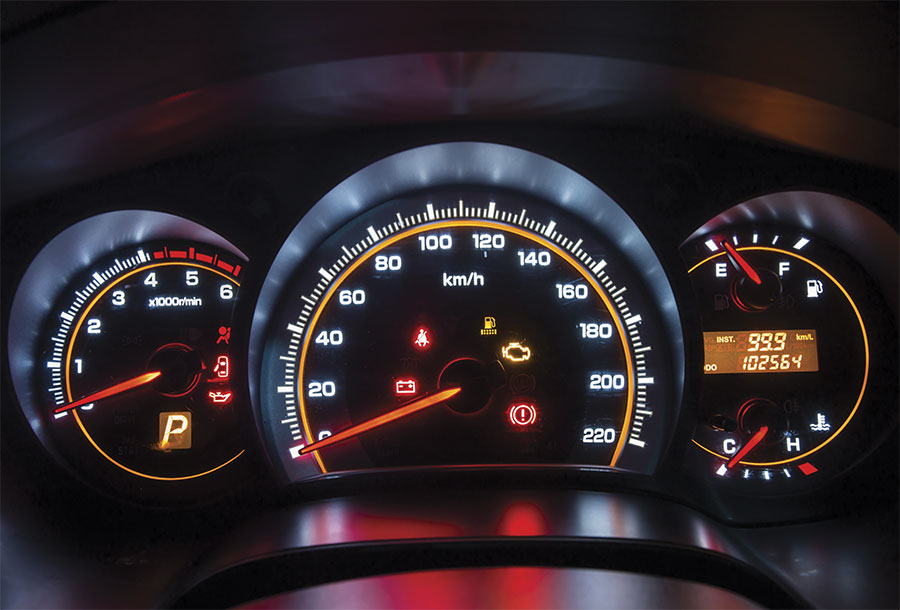
2. The Automation Logic: The Speedometer as a Data Input
For the modern driver, the speedometer is more than a visual aid; it is a critical input for the vehicle's
Electronic Control Unit (ECU). Many automated systems rely on the
Vehicle Speed Sensor (VSS) pulse stream to function:
*
Adaptive Systems: Adaptive Cruise Control (ACC) and Lane Keeping Assist (LKA) utilize VSS data to modulate throttle and steering torque.
*
Transmission Calibration: Automatic transmissions use velocity data packets to determine shift points and lock-up clutch engagement. A failed speed sensor can induce 'Limp Mode,' severely degrading vehicle automation and fuel efficiency.
3. Technical Workarounds: OBD-II and HUD Integration
When a physical needle fails, tech-savvy drivers often bypass the dashboard via the
OBD-II (On-Board Diagnostics) port. By utilizing a Bluetooth dongle, you can capture the 'Raw VSS Speed' directly from the CAN bus and project it onto a smartphone or Head-Up Display (HUD). While this automated data stream is often more precise than the factory needle, it exists in a legal 'gray area'—it may prevent a speeding citation, but rarely satisfies a state inspector's requirement for functional 'original equipment'.

4. Diagnostic Workflow for Gauge Failure
If your instrumentation fails, follow this systematic audit to restore telemetry integrity:
1.
Bus Power Audit: Verify instrument cluster fuses; a 10A fuse failure often mimics a catastrophic sensor fault.
2.
Sensor Continuity: Use a multimeter to check for pulse-width modulated signals from the VSS, typically located on the transmission output shaft.
3.
ECU Recalibration: For vehicles with non-stock tire diameters, use automation software to update the 'Tire Revolutions Per Mile' constant in the ECU to synchronize the speedometer with true ground speed.
Conclusion
Are you required to have a working speedometer? Legally, the answer is a functional 'yes' across most jurisdictions. Beyond legal compliance, maintaining this data link is essential for the integrity of your vehicle's automated safety stack. Whether through factory repair or digital OBD-II workarounds, operating with high-fidelity velocity data is the baseline for responsible vehicle management.