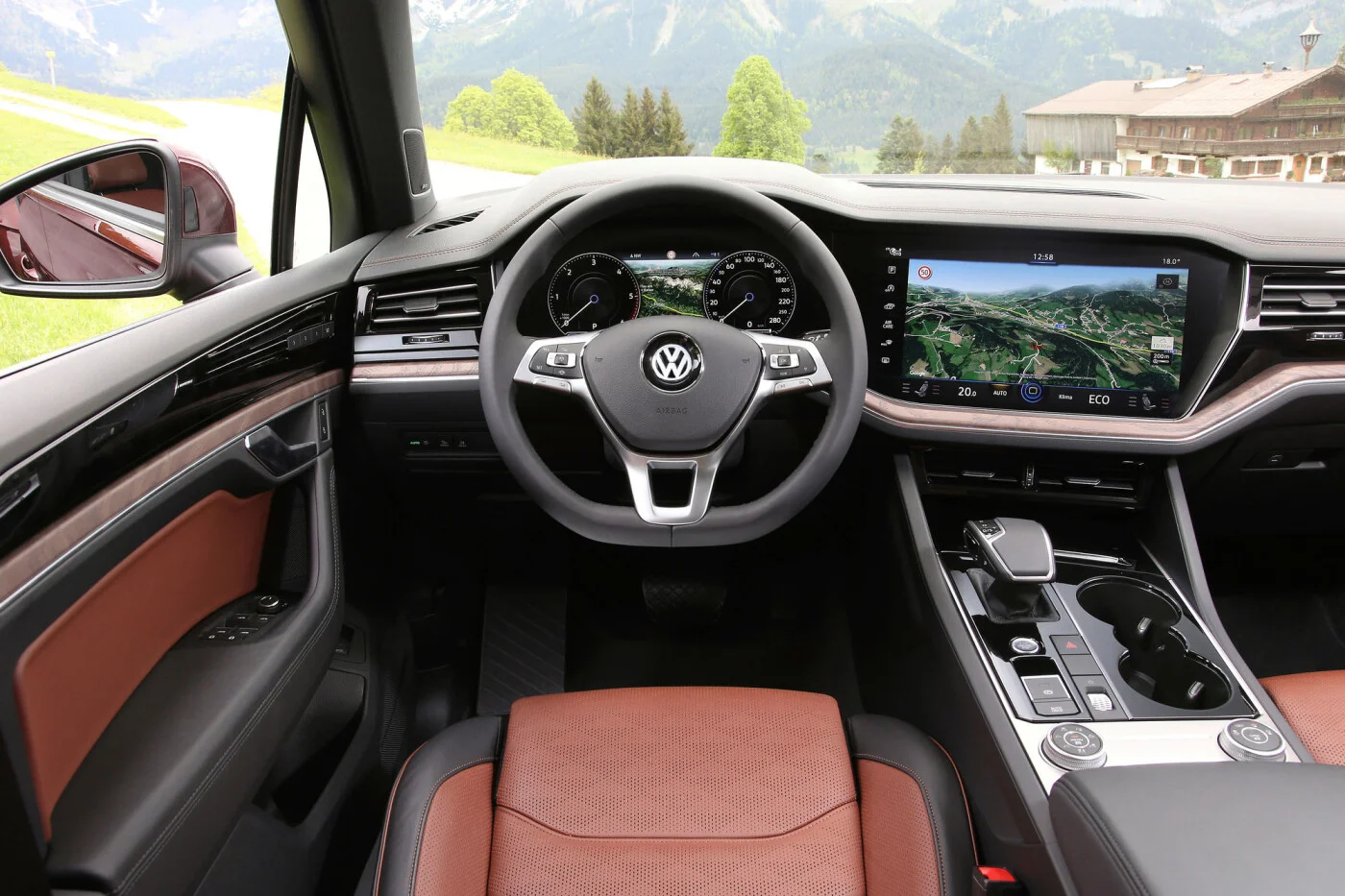
In vehicle telemetry, the discrepancy between a Volkswagen dashboard and a GNSS-enabled smartphone is a deliberate engineering artifact. For drivers and data specialists, understanding whether VW speedometers are accurate requires an analysis of international regulatory buffers and the mechanical variables of the rolling chassis.
1. The Engineering of Systematic Bias: UN ECE R39
Volkswagen vehicles are engineered to comply with
UN ECE Regulation 39, which mandates a systematic positive error. The law is asymmetrical: a speedometer is strictly forbidden from under-reporting speed. To mitigate manufacturer liability, VW engineers implement a 'positive offset'—a deliberate bias where the display shows a speed higher than reality. The permitted margin can be as high as
10% + 4 km/h, ensuring the dashboard never under-reports velocity, even with production variances.
2. The Ghost in the Machine: HMI Filtering vs. Raw ECU Data
For those utilizing automation tools to monitor vehicle health, there is a distinct delta between the UI and the backend. If you intercept the
CAN Bus data stream via an OBD-II bridge, you will often find that the
Engine Control Unit (ECU) knows the true ground speed. The ECU processes accurate velocity for ignition timing and transmission shifts, but the
Human-Machine Interface (HMI) layer applies a 'fudge factor' before rendering the data on the digital cockpit.

3. Mechanical Variables: The Rolling Radius
Beyond software, the 'Static Rolling Radius' of your tires introduces physical noise into the speed calculation. Speedometers sample the rotation frequency (RPM) of the transmission or wheel hubs via
Hall Effect sensors.
*
Tread Degradation: As tires wear, the outer diameter shrinks. A smaller wheel must rotate faster to cover the same distance, forcing the ECU to report an inflated velocity.
*
Inflation Pressure: Under-inflated tires compress the rolling radius, increasing the pulse frequency per mile and further skewing the dashboard's 'optimistic' bias.
4. Technical Verification: VCDS and GPS Auditing
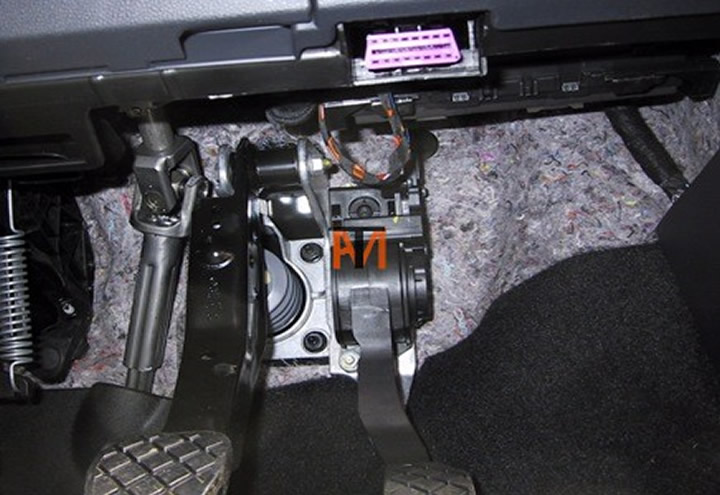
To audit your VW's telemetry, follow this professional workflow:
1.
Stabilization: Engage cruise control on a level highway with a clear sky view to reach a steady-state velocity.
2.
Raw Data Capture: Utilize a tool like
VCDS or OBDeleven to extract the 'Raw VSS Speed' from the ABS module. This bypasses the HMI offset.
3.
Cross-Referencing: Compare the high-refresh GPS output (calculated via Doppler shift) against the raw ECU data. The difference reveals the specific 'Correction Factor' applied by the Wolfsburg factory.
Conclusion
Are VW speedometers accurate? They are precisely inaccurate by design. They act as a safety-oriented interface, protecting the driver from legal infractions while accounting for physical wear and tear. For mission-critical tracking or automation, the gold standard remains the integration of raw ECU telemetry with GNSS ground truth to eliminate the inherent deceptions of the dashboard.