SPEED TRACKING
2026-02-10
Precision or Perception? The Deep Dive into GPS Speedometer Accuracy
In high-precision vehicle monitoring, the gap between GPS and the dashboard reveals the conflict between digital telemetry and mechanical estimation. To master your performance data, you must identify the 'ground truth' within the signal noise.
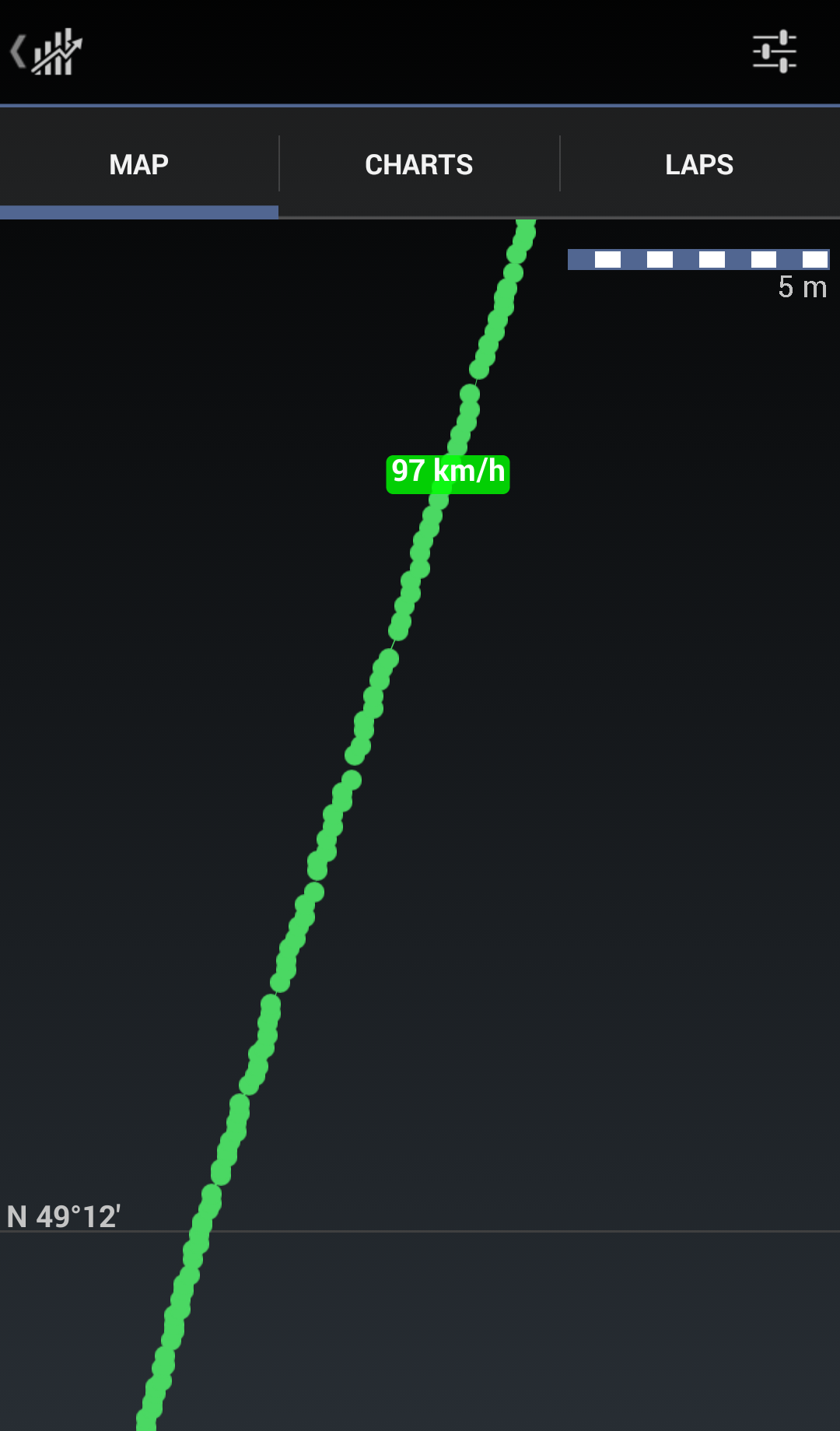
1. Mechanical Limitations: The VSS Bias
Traditional speedometers rely on the
Vehicle Speed Sensor (VSS), which is slave to the tire's rolling radius. Factors like tire wear and intentional manufacturer padding (often +2-5% for legal compliance) make the dashboard an 'optimistic' indicator rather than a precision tool.
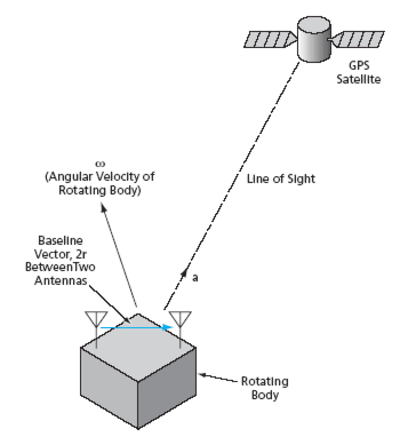
2. Satellite Logic: Doppler Shift Accuracy
Unlike basic point-to-point calculations, professional-grade GPS systems use
Doppler Shift technology. By measuring the frequency change of satellite signals as you move, GPS can determine velocity within
0.1 mph. This independent measurement bypasses mechanical variables like gearing and tire deformation.
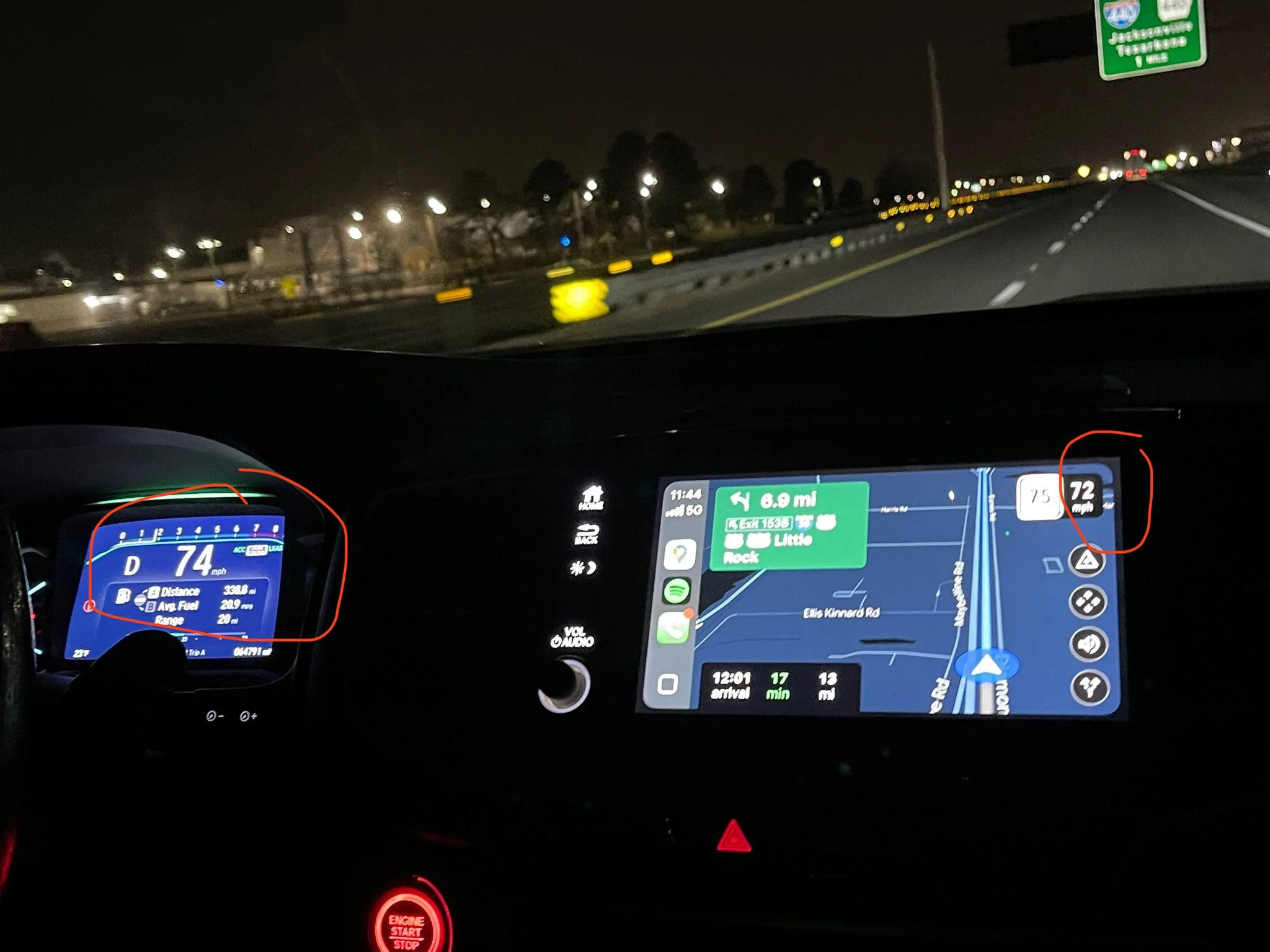
3. The Refresh Rate Gap
Standard 1Hz (once per second) GPS updates struggle with rapid acceleration. For automation-critical telemetry, enthusiasts use
10Hz or higher external GNSS receivers. This reduces latency and captures high-fidelity speed data that dashboard needles simply cannot represent.
Conclusion
For sustained cruising, the GPS is the superior source of truth. However, the future of precision driving lies in
Sensor Fusion—cross-referencing wheel-speed pulses with high-refresh GNSS data to eliminate the 'ghosts' in the dashboard.