1. The Physics of the Dial: Scalar vs. Vector Dynamics
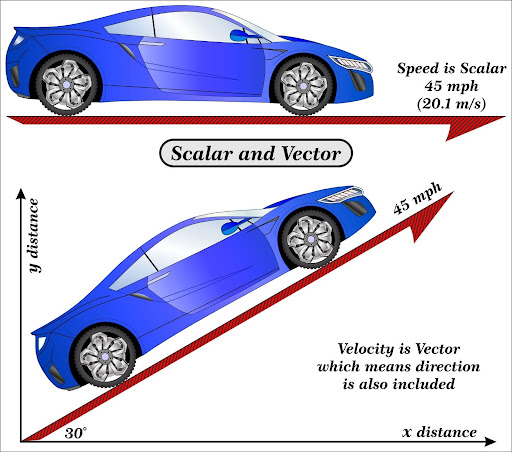
To understand why a speedometer indicates constant speed, one must distinguish between two fundamental physical quantities: Speed and Velocity.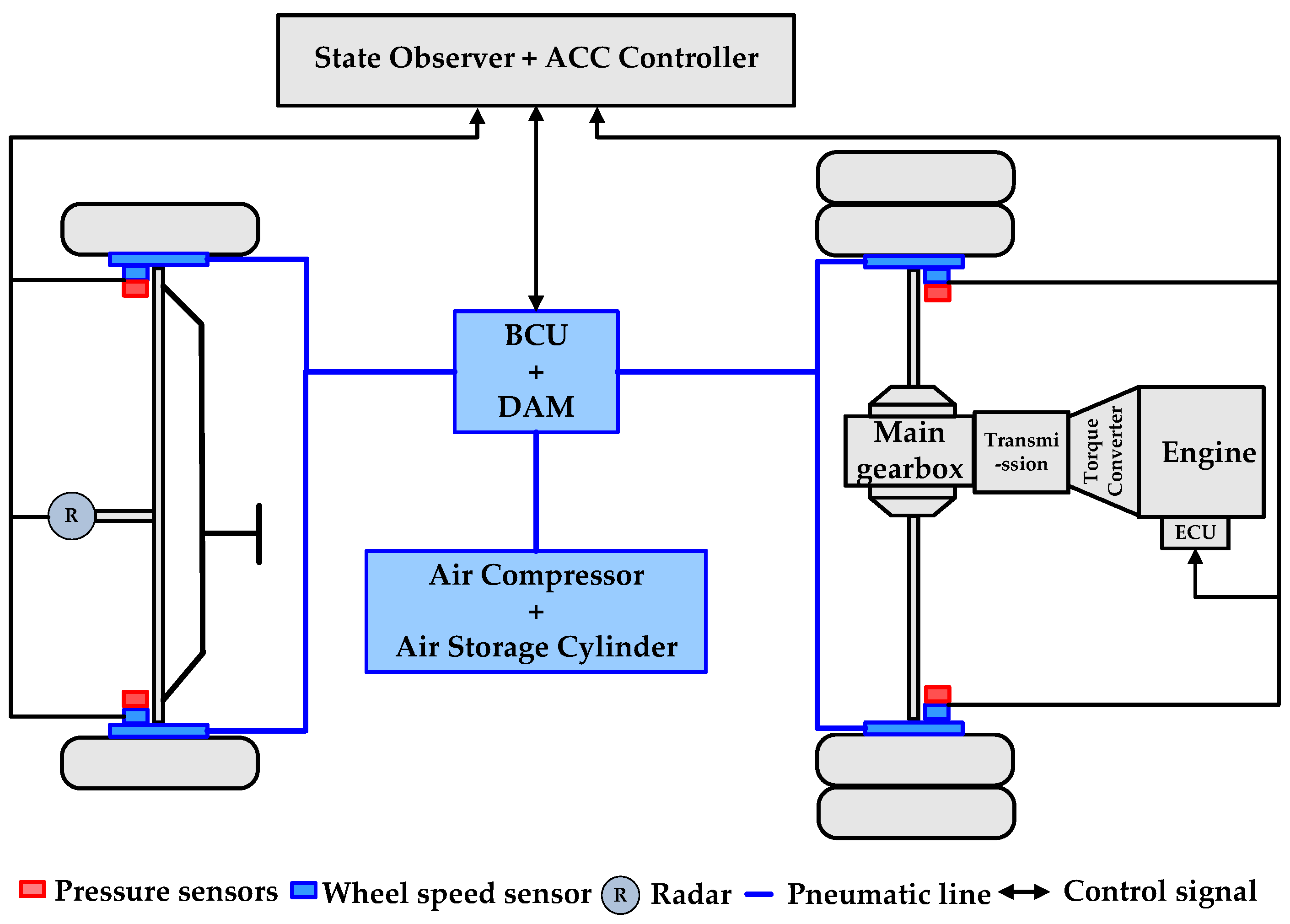
* Speed as a Scalar Quantity: Your speedometer is a scalar instrument. It measures the magnitude of motion—rotational frequency converted to linear distance—without regard for orientation. If a vehicle maintains 60 mph on a circular test track, the speedometer remains constant even though the vehicle's direction is in flux. * Velocity as a Vector Quantity: Velocity includes direction. In a circular path at a constant 60 mph, the velocity vector is technically changing every millisecond due to centripetal acceleration.
In vehicle automation, 'Speed' represents the raw throughput of the Vehicle Speed Sensor (VSS), while 'Velocity' is the strategic vector handled by the GPS and IMU (Inertial Measurement Unit) to ensure the vehicle is moving toward its intended destination.
2. Mechanics of Steady-State Signaling
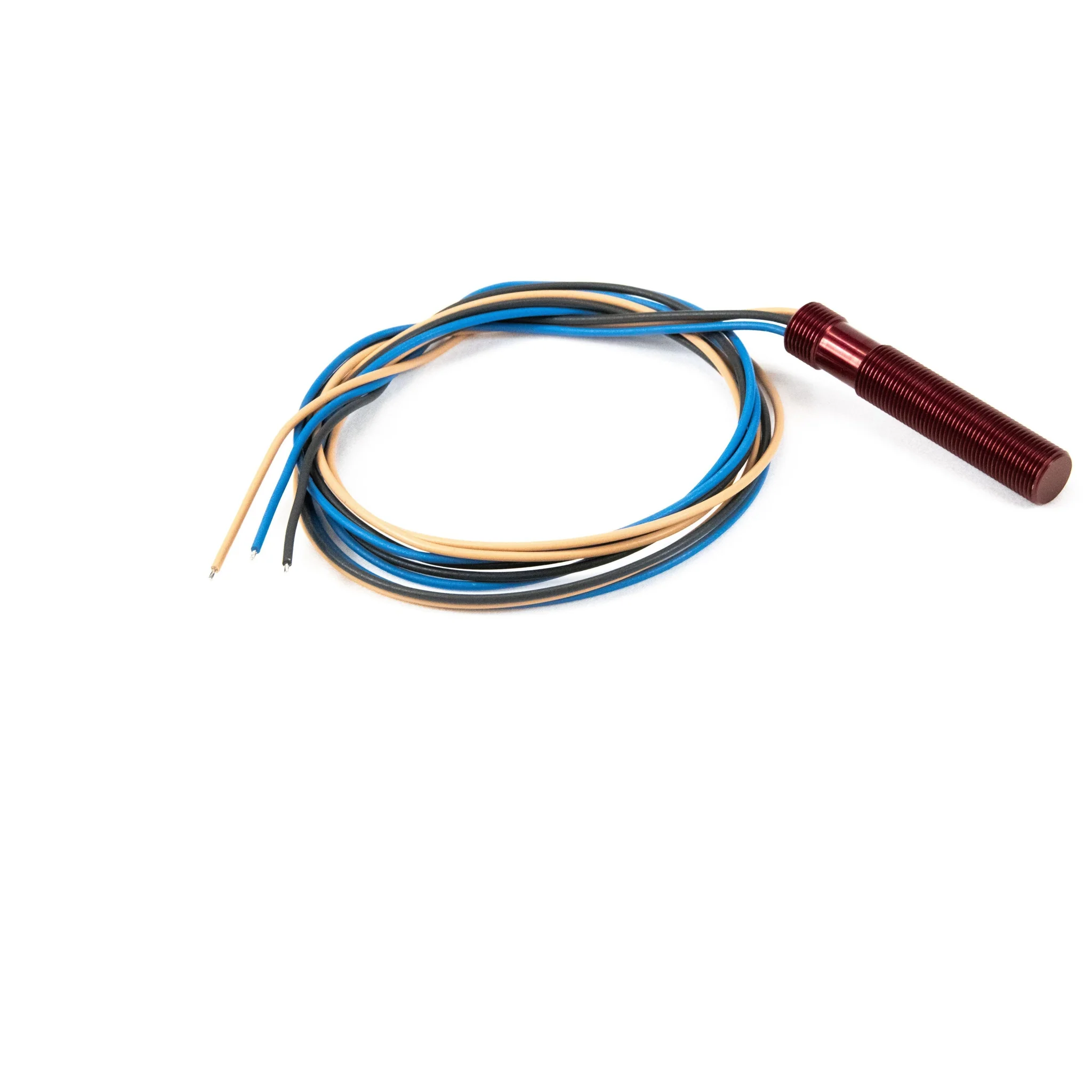
When a digital speedometer indicates constant speed, it reflects a synchronized data pipeline. In a modern CAN-bus architecture, this stability is the result of high-fidelity signal processing.* Pulse Train Consistency: The VSS (typically a Hall Effect sensor) generates a square-wave pulse train. At a constant speed, the frequency ($f$) of these pulses is uniform. Any 'jitter' or fluctuation in this frequency would cause the needle to bounce or the digital digits to flicker. * ECU Damping: To provide a readable 'Steady State' to the driver, the ECU applies a low-pass filter to the raw sensor data, smoothing out minor mechanical vibrations to present a stable numerical value.
3. Engineering 'Constant Speed' via Cruise Control Logic
Maintaining a steady state on the speedometer requires a closed-loop control system, commonly known as PID (Proportional-Integral-Derivative) Control.* Proportional: Corrects the throttle based on the current gap between actual speed and target speed. * Integral: Accounts for cumulative errors, such as a long incline that slowly bleeds speed. * Derivative: Predicts future changes to prevent the system from overshooting the target velocity.
4. Benchmarking for Telemetry Integrity
In high-performance testing, 'Constant Speed' is the primary variable used to audit sensor accuracy. By holding a vehicle at a steady 70 mph via cruise control, engineers can cross-reference the VSS output against GNSS (GPS) ground truth to identify Rolling Radius errors caused by tire wear or thermal expansion.