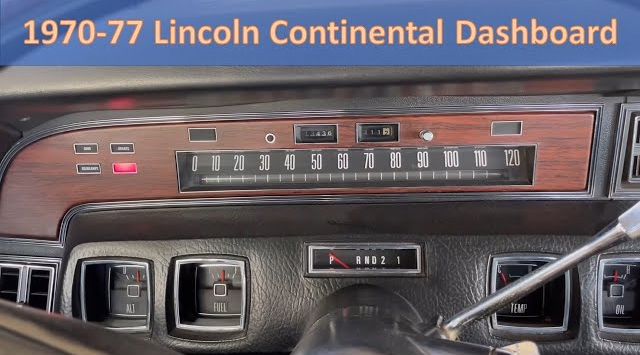
In the era of software-defined vehicles, the sweeping needle of an analog speedometer remains a masterpiece of late-19th-century physics. However, for those navigating classic builds or legacy fleets, the question is no longer about aesthetics, but about data integrity:
Are non-digital speedometers actually accurate? Understanding the delta between a magnetic sweep and true velocity requires looking into the mechanical entropy of the system.
1. The Ghost in the Machine: Eddy Current Physics
Unlike digital systems that process discrete sensor pulses, a mechanical speedometer operates via
eddy current induction. A flexible cable geared to the transmission spins a permanent magnet inside a metal 'speed cup'. This creates a rotating magnetic field that exerts torque on the cup, pulling the needle across the dial against the resistance of a hairspring.
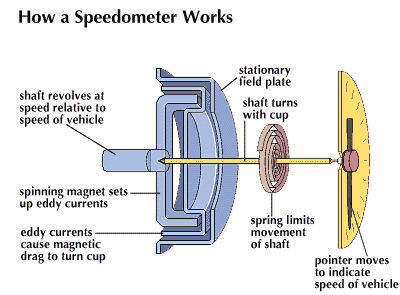
Because this is a purely analog relationship, accuracy is compromised by physical variables:
*
Magnetic Decay: Over decades, the permanent magnet loses flux density, leading to a 'lazy' needle.
*
Hairspring Fatigue: The calibrated resistance of the spring weakens over time, often causing the gauge to over-report speed as it loses its ability to counter the magnetic torque.
2. The Rolling Radius Variable
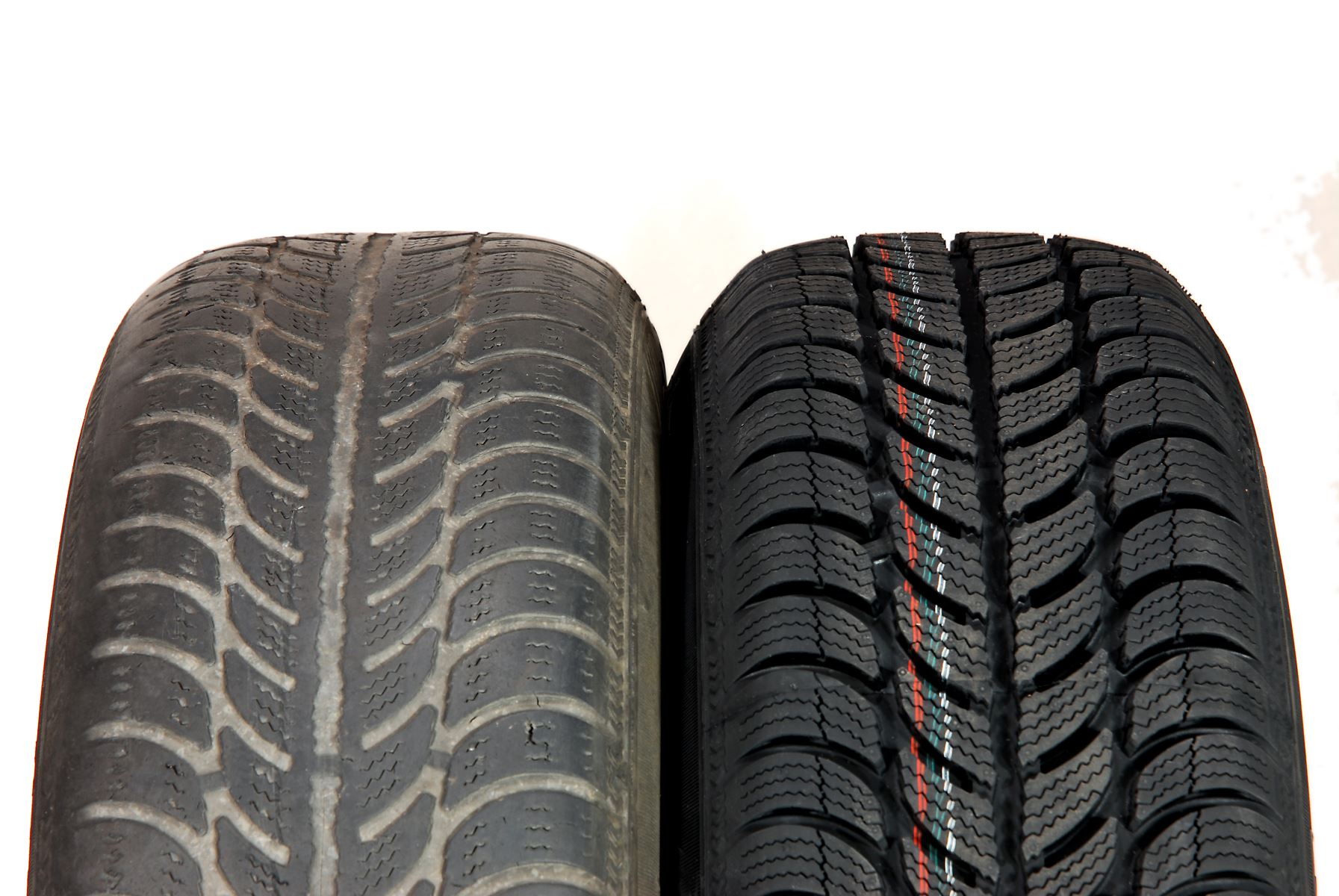
An analog speedometer is essentially a revolution counter calibrated to a specific, theoretical tire circumference. In the real world, this 'Ground Truth' is constantly shifting. As tire tread wears down from 10/32" to 2/32", the outer diameter shrinks. A smaller tire must rotate more times to cover the same distance, forcing the mechanical cable to spin faster and causing the needle to report a velocity higher than your actual Ground Speed (SOG).
3. Engineering the Truth: GPS Verification
To audit a legacy needle, modern telemetry is required. While the analog gauge is a mechanical estimation, a high-refresh (10Hz+) GPS unit calculates velocity via Doppler shift, bypassing all mechanical variables. For the data-driven driver, the ultimate setup involves maintaining the analog aesthetic while using an
OBD-II automation bridge to project the ECU's internal digital speed signal onto a HUD, revealing the systematic bias built into the factory dial.
Conclusion
Are non-digital speedometers accurate? Rarely in an absolute sense. They are safety-oriented approximations calibrated with a 'positive error' buffer to avoid manufacturer liability. While the sweeping needle offers a visceral connection to the machine, it requires a digital 'sanity check' to ensure your perceived velocity aligns with the laws of physics.