SPEED TRACKING
2026-02-13
Beyond the Needle: Unmasking the Truth About BMW Speedometer Accuracy
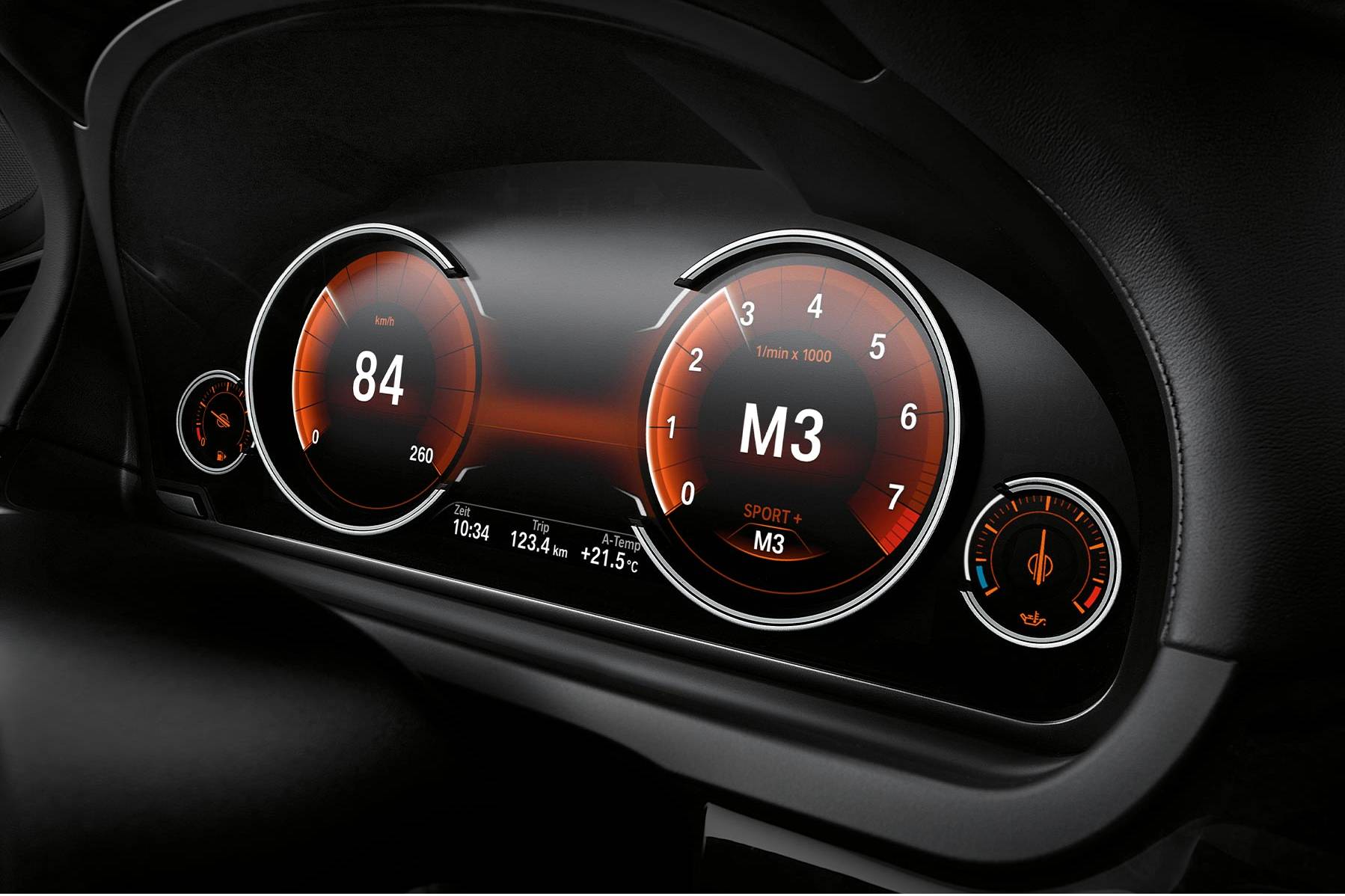
In the world of the 'Ultimate Driving Machine,' the speedometer is famously 'optimistic.' This discrepancy is a calculated choice driven by European safety regulations and data telemetry logic.
1. The ECE R39 Mandate
BMW follows
UN ECE Regulation 39, which dictates that a speedometer must
never indicate a speed lower than the actual velocity. To avoid legal liability, BMW engineers calibrate dashboards to over-indicate, often resulting in a display that is
5-10% higher than reality.
2. CAN Bus vs. Dashboard
Your BMW's internal computer actually knows the true ground speed. By pulling raw data from the
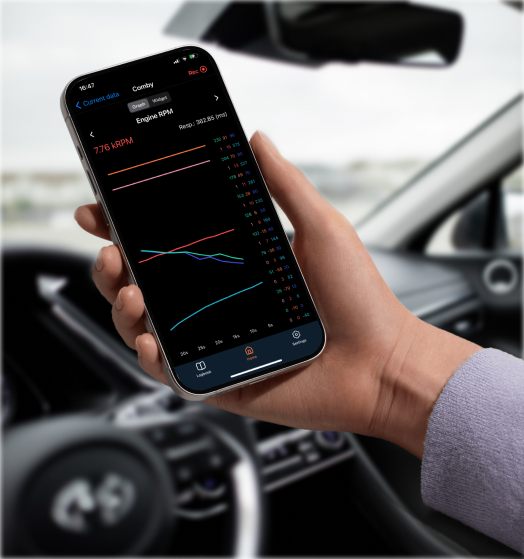
CAN bus via OBDII, you can see the difference between the 'Raw Speed' used by the ECU and the 'Display Speed' shown on the dash. BMW intentionally creates this software-level offset in the iDrive interface.
3. Coding for Precision
Tech-savvy owners can use tools like
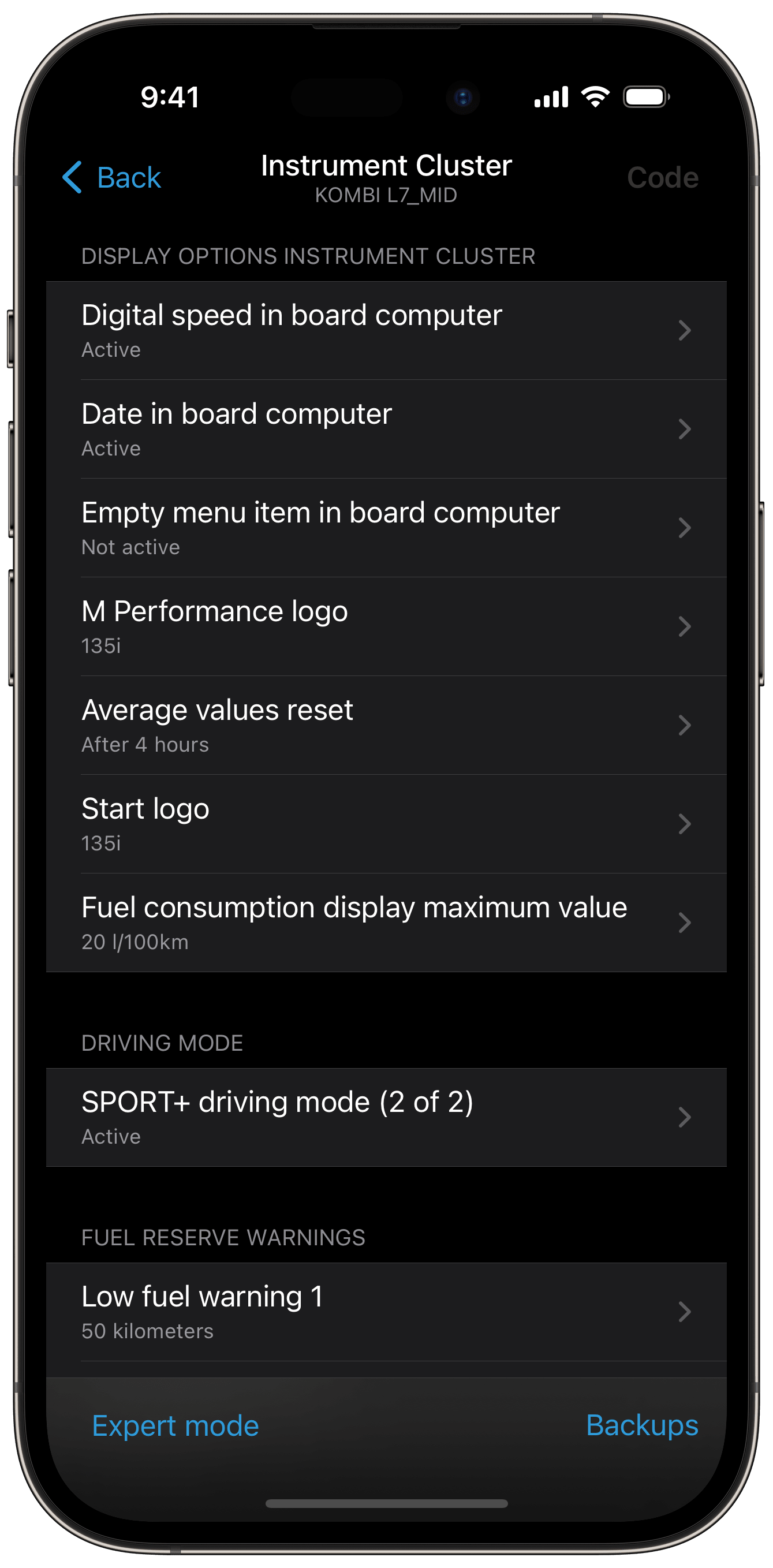
BimmerCode to bypass this offset. By accessing the Instrument Cluster (KOMBI) module and setting
BC_DIGITAL_V_KORREKTUR to 'nicht_aktiv,' the digital display can be forced to show the uncorrected speed from the ECU.
Conclusion
BMW speedometers are intentionally inaccurate for legal and safety reasons. However, with GPS verification and coding automation, you can transform your dash into a precision-calibrated tool. Understanding the truth behind the needle ensures you remain the master of your driving data.