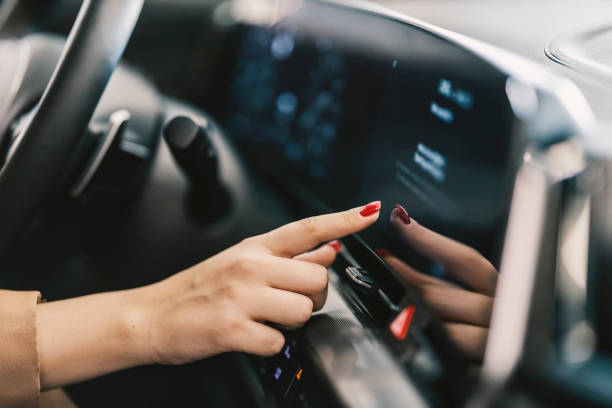
Back in the day, the connection was a literal spinning wire. A flexible cable attached to the transmission that spun a magnet inside a metal cup. Pure analog magic, really, but it was "dumb." It didn’t talk to anything else, and once that cable started fraying, you got that classic needle-jump that made you guess if you were doing 55 or 70. For the uninitiated, there wasn't much you could do with that data without some serious aftermarket hacking.
The "Hall Effect" Shift
We traded the spinning cable for a Vehicle Speed Sensor (VSS). This is where it got fun for the tech-heads. Instead of a mechanical twist, we got magnetic pulses—a square-wave frequency. Finally, the car’s brain (ECU) had something it could actually count. Once speed became a digital pulse, it was only a matter of time before it became part of the network.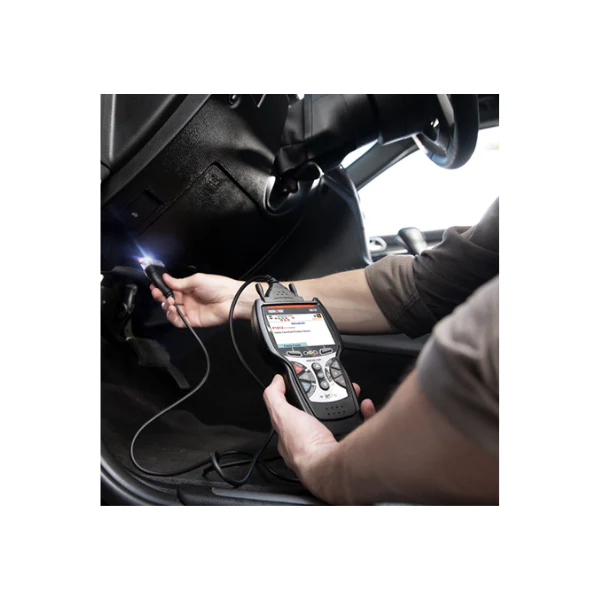
The catch? If you're driving anything built in the last 15 years, your speedo isn't even connected to a sensor anymore. It’s just a node on the CAN bus.
The "Packet" Reality
When you're cruising, the ABS or the transmission module is broadcasting "packets" of data across the car's internal network. The dashboard just "subscribes" to that specific gossip and shows you a number.* Tapping in: Since it’s all on the network, you can grab it via the OBD-II port. * The Math: If you're building a custom HUD or a logger, remember the car usually thinks in kilometers per hour. To get to MPH, you’ve got to multiply that byte by $0.621371$. * Protocol: You’re usually looking for PID 01 0D.
If you’re messing with this, stay in "Read-Only" mode—you don’t want to accidentally inject a bad data packet into the braking system while you're just trying to fix a UI layout.
The Future of Velocity
Truth is, we’re already moving past the wheels anyway. Between GPS-based speed and sensor fusion (LiDAR and the rest of the alphabet soup), the physical connection is becoming secondary. Speed is becoming a high-def data point used for everything from adjusting your stereo volume to prepping the regenerative braking before you even touch the pedal.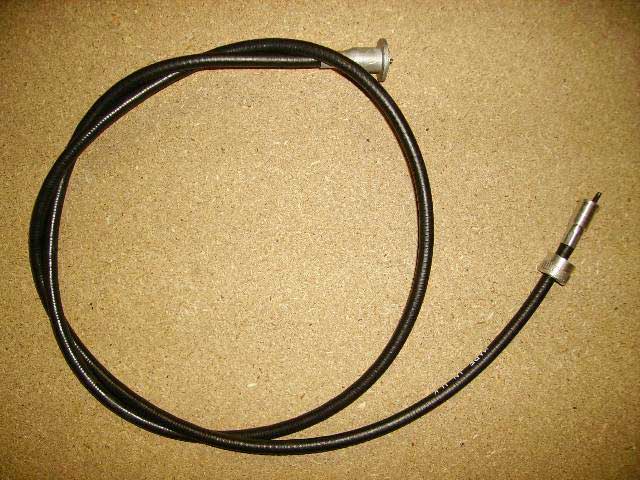
Just keep in mind that the "safe" number you see on the glass is almost always a few mph higher than the raw data the ECU is actually using to run the automation. The car knows exactly how fast you're going... even if it decides to lie to your face to keep you from getting a ticket.
Anyway, it's a hell of a jump from a spinning magnet to a digital subscription. I’m going to go recalibrate my tire diameter settings now—that 3% error is starting to bug me.