SPEED TRACKING
2026-02-26
Tracking Every Trail: Why a GPS Speedometer for My ATV is the Ultimate Tech Upgrade
There is a specific kind of freedom in hitting the trails, but your factory speedometer is often a relic of a simpler time. Moving to a satellite-based system isn't just a luxury; it's a necessary evolution for any rider who values data and performance.
1. Why Factory Gauges Fail
Most OEM speedometers calculate velocity based on wheel rotation. This fails in off-road environments due to:
*
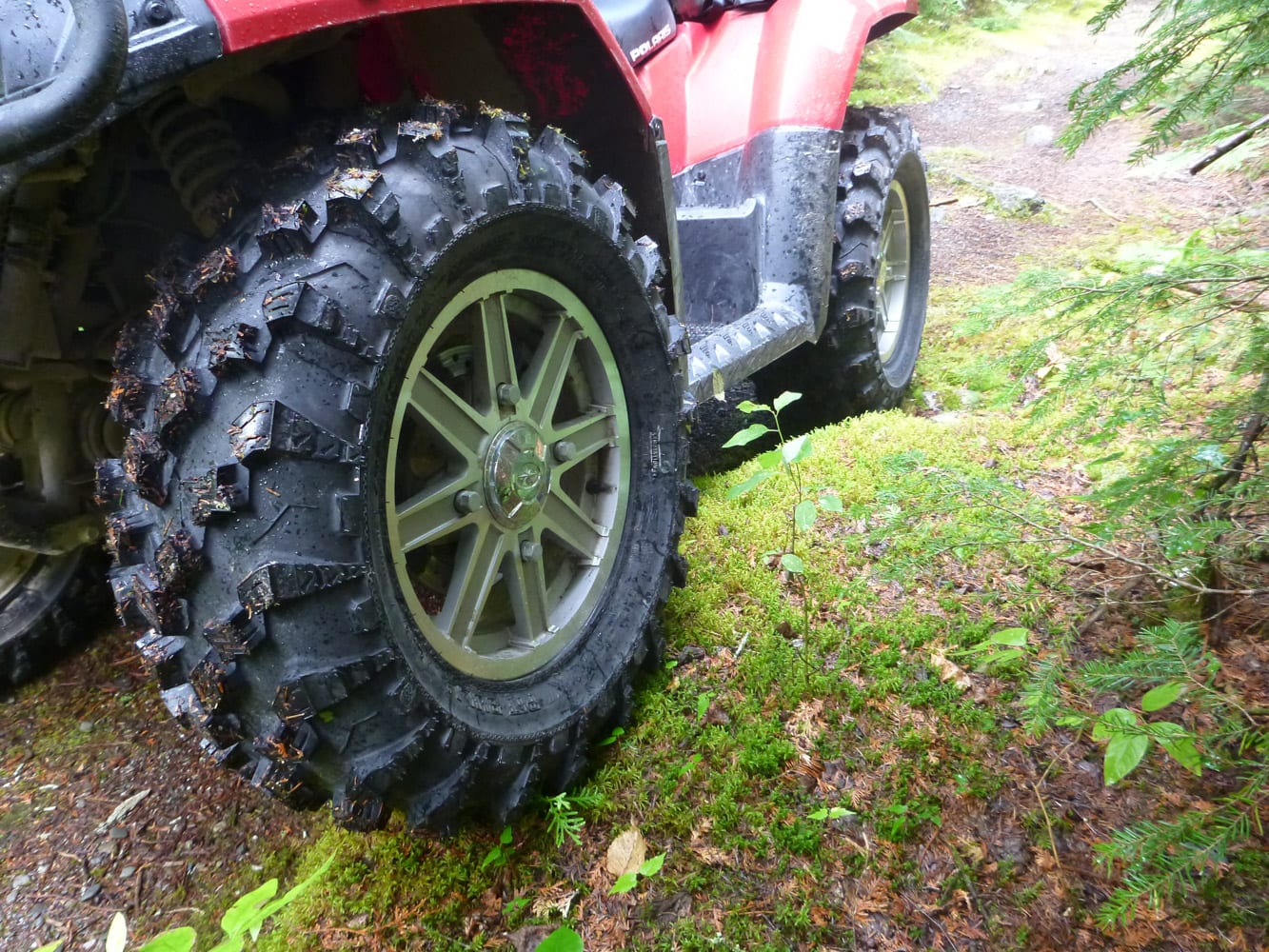
Tire Diameter Discrepancy: Upgrading to larger tires makes mechanical gauges read lower than actual speed.
*
Mechanical Wear: Mud and vibration snap cables and gunk up Hall-effect sensors.
*
Wheel Spin: Mechanical gauges report wheel speed during spin-outs; GPS reports actual progress across the earth.
2. The GPS Advantage: 10Hz Precision
A GPS speedometer provides several transformative benefits:
*
True Ground Speed: It measures position changes in 3D space, independent of tire size or gear ratios.
*
10Hz Refresh Rate: Top-tier units update 10 times per second, ensuring the digital readout climbs smoothly without the 'lag' found in standard GPS devices.
*
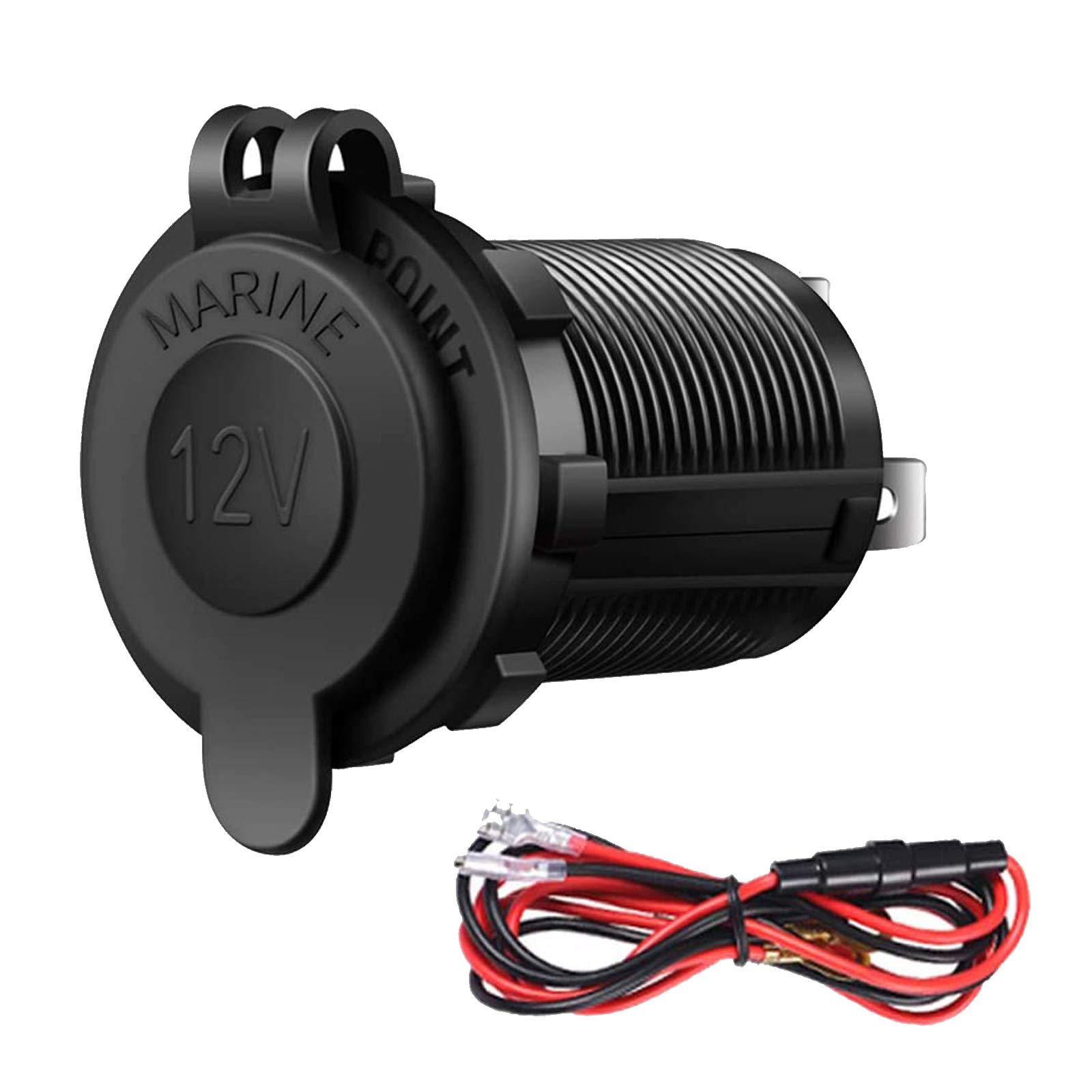
Simplified Install: No cables to the wheel hub; it only requires a 12V power connection.

3. Automated Trail Intelligence
Beyond speed, these units automate critical trail data:
*
Altitude Tracking: Essential for engine tuning in high-mountain passes.
*
Max Speed Memory: Automatically logs performance peaks for post-ride review.
*
Maintenance Logging: GPS-based odometers provide a reliable record regardless of tire swaps.
Conclusion
Investing in a GPS speedometer for your ATV is about replacing a mechanical weak point with a robust, satellite-grade solution. In a world where the terrain is always changing, your speedometer shouldn't keep you guessing. Upgrade to GPS and master the trail with data-driven precision.