The Digital Pulse: Are U-Haul Speedometers Tied to Their Odometers?

In the logistics and rental fleet sector, the integrity of distance and velocity telemetry is the cornerstone of automated billing and maintenance. For the tech-savvy mover, the question of whether a U-Haul's speedometer is tied to its odometer is answered by the architecture of the vehicle's Electronic Control Unit (ECU). These two metrics are not independent; they are parallel interpretations of a single digital pulse stream.

1. The Single Source of Truth: The VSS Sensor

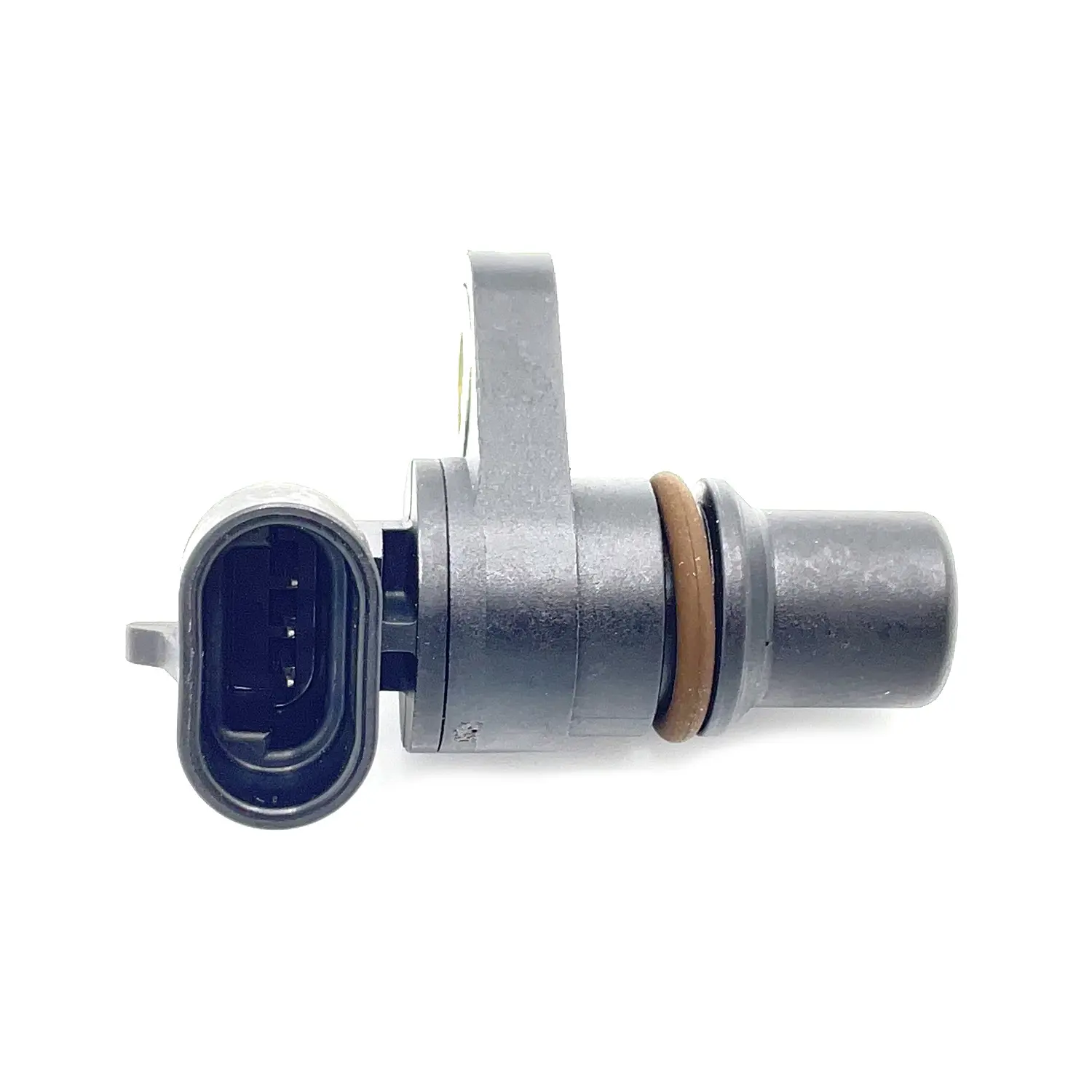
Modern U-Haul chassis (primarily Ford F-Series or GMC Savana platforms) utilize a Vehicle Speed Sensor (VSS) located on the transmission output shaft or rear differential.
The Digital Pulse: Are U-Haul Speedometers Tied to Their Odometers?

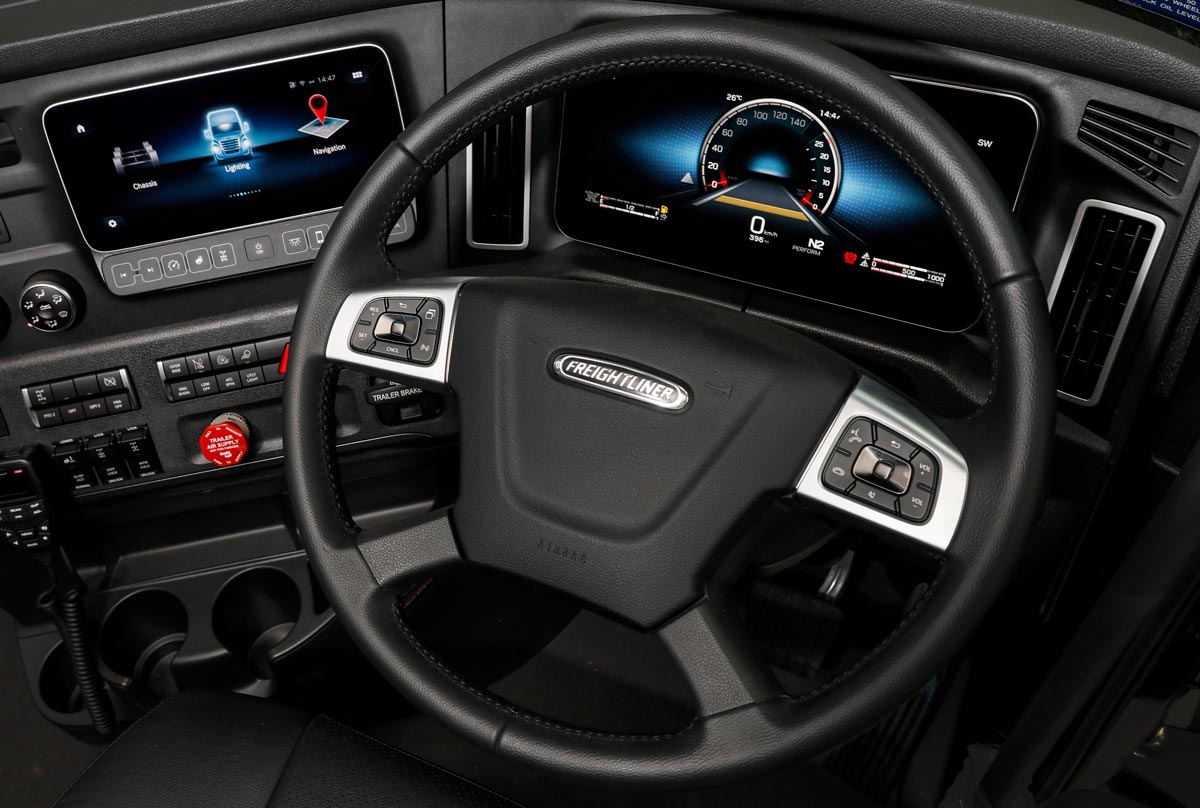
As the drivetrain rotates, the VSS generates a series of electronic pulses known as a 'pulse train.' This signal is broadcast across the CAN Bus (Controller Area Network), where it is simultaneously consumed by two distinct software logic paths: * Frequency Logic (Speedometer): The ECU calculates the frequency of pulses per second to derive instantaneous velocity. * Accumulation Logic (Odometer): The ECU functions as a digital counter, adding pulses to a non-volatile memory registry to calculate total distance traveled.
The Digital Pulse: Are U-Haul Speedometers Tied to Their Odometers?

2. Digital Automation vs. Legacy Tampering

In the analog era, disconnecting a mechanical cable could 'freeze' both the needle and the drums. In today's software-defined fleet, this is physically impossible. If the ECU detects a loss of VSS signal while other sensors (such as engine RPM or throttle position) are active, the system triggers 'Limp Mode' and logs a diagnostic fault code.
The Digital Pulse: Are U-Haul Speedometers Tied to Their Odometers?

[Image showing the data flow from VSS sensor through the CAN-bus to the dashboard]

Furthermore, modern U-Haul trucks are increasingly equipped with Telematics Gateways. These devices automate mileage tracking by beaming encrypted odometer data directly to U-Haul’s central servers via cellular networks, rendering dashboard manipulation irrelevant to the final billing automation.

3. Data Integrity and Preventative Maintenance

U-Haul leverages this hardware-software link to automate its fleet maintenance lifecycle. Odometer data triggers automated service alerts for oil analysis, brake inspections, and tire rotations. By ensuring the speedometer and odometer share a unified, tamper-proof pulse source, the system guarantees that every mile driven is accounted for in the interest of vehicle safety and fleet uptime.

Conclusion

Are U-Haul speedometers tied to their odometers? Yes—they are 'data-coupled' through the ECU's pulse-processing algorithms. In an age of autonomous fleet management, these two metrics are the pulse of a much larger automated ecosystem. When you drive a U-Haul, you aren't just moving boxes; you are generating high-fidelity data that powers a global logistics network.

Start Your Journey Today

Join thousands of users who trust Velocify for accurate speed tracking.