SPEED TRACKING
2026-02-23
Beyond the Needle: Are Most Speedometers Mechanical or Electric in the Digital Age?
In the current era of vehicle telemetry, the dashboard is no longer a localized mechanical display but a node in a complex data network. The transition from mechanical cables to electronic sensors marks a fundamental shift in how velocity data is sourced, processed, and utilized for automation.
1. The Legacy: Mechanical Eddy Currents
Prior to the late 1980s, speed measurement was a study in physical synchronization. A flexible cable, geared directly to the transmission, physically spun a magnet inside a 'speed cup'. This motion induced eddy currents, creating torque that moved the needle against a hairspring. This closed-loop mechanical system was prone to physical wear and required labor-intensive recalibration for any changes in rolling radius.
2. The Electronic Standard: VSS and Hall Effect Precision
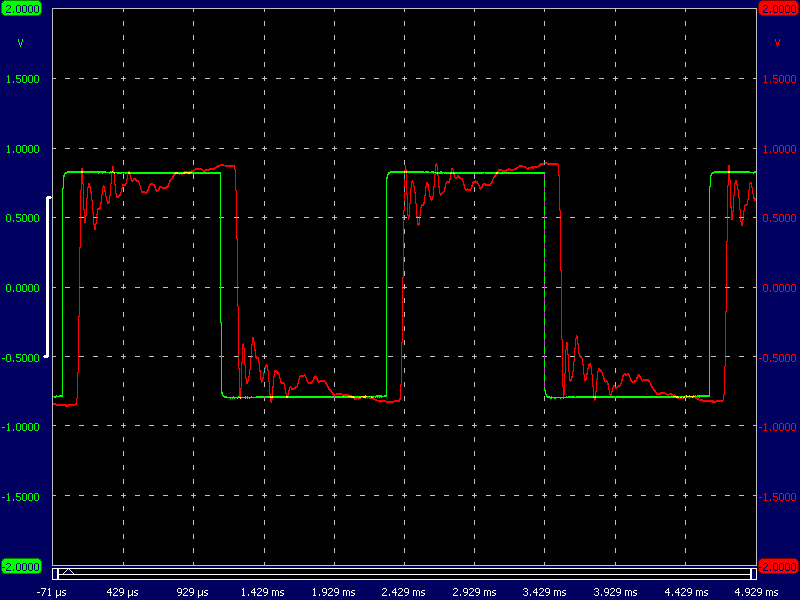
Modern instrumentation has replaced spinning cables with the Vehicle Speed Sensor (VSS). Utilizing either the Hall Effect or magnetic pickups, these sensors detect the passing of teeth on a tone ring attached to the transmission or wheel hub. This generates a digital pulse stream that is processed by the Engine Control Unit (ECU). The ECU counts these pulses per second and translates the frequency into a velocity value, which is then broadcast across the vehicle’s data bus to drive stepper motors or digital LCDs.
3. Automation Synergy: Why Digital Wins
The dominance of electric speedometers is driven by the need for data integration. Unlike a mechanical cable, a digital signal can be shared across multiple systems simultaneously. This enables mission-critical automation such as Adaptive Cruise Control (ACC), speed-sensitive steering, and precision telemetry logging—features that are impossible to implement with a standalone mechanical link.
Conclusion
While the romantic image of the sweeping mechanical needle persists, the reality is that most speedometers are now electric. This transition represents a broader shift toward digital sensors that provide a wealth of data for the automation-driven future of transportation.