1. The Anatomy of a Measurement: How Your Car Knows Its Speed
When a speedometer reads 65 mi h, it is not measuring your movement relative to the earth's surface directly. Instead, it is typically measuring the rotational frequency ($f$) of the drivetrain.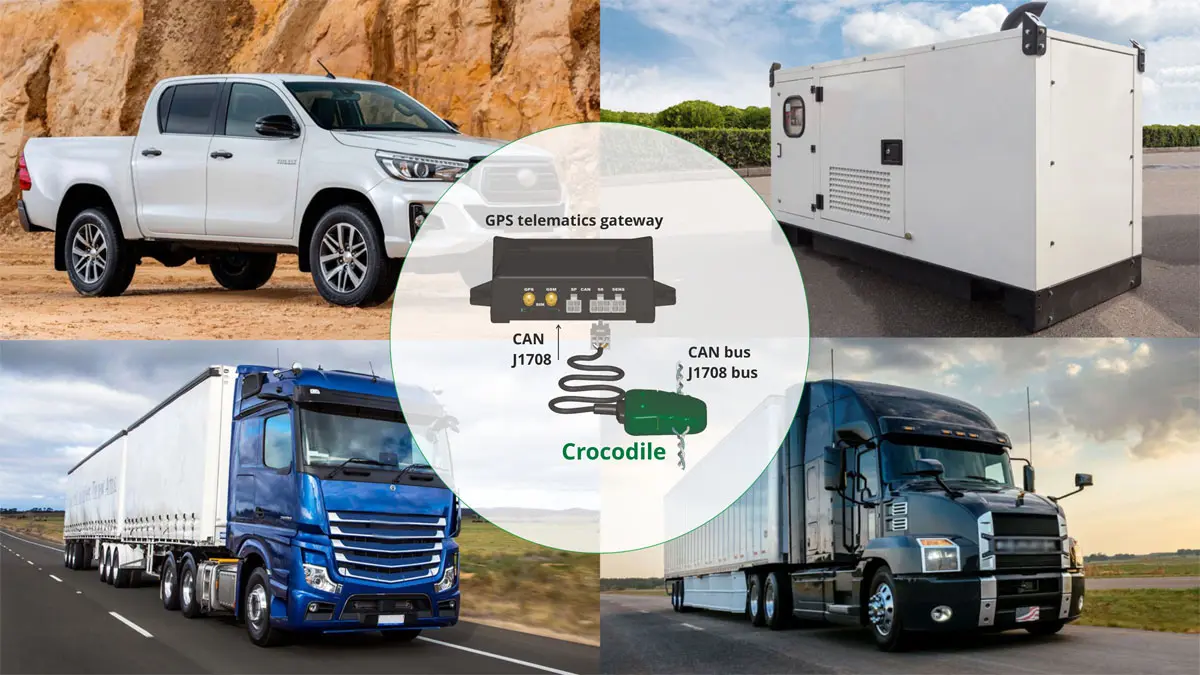
Mechanical vs. Digital Telemetry
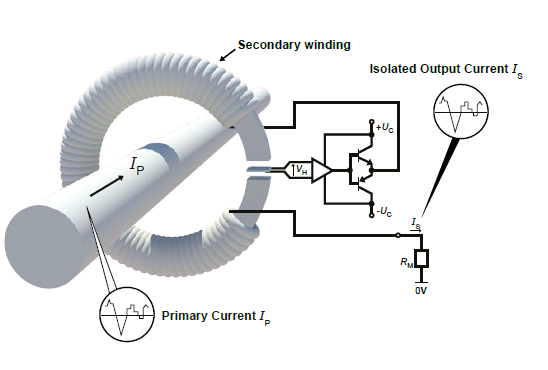
In legacy vehicles, a flexible cable geared to the transmission used magnetic torque to pull a needle against a spring. In modern vehicles, this process is handled by a Hall Effect sensor. This sensor detects the passage of magnets on a rotating shaft, sending a square-wave pulse train to the Engine Control Unit (ECU). The ECU calculates the speed based on the assumed circumference of your tires.2. Why 65 mph Isn't Always 65 mph: Data Integrity
In the automotive world, the accuracy of a 65 mi h reading depends on 'Ground Truth' variables. If physical parameters shift, the telemetry drifts.
* Rolling Radius: A 1% decrease in tire height (due to wear or low pressure) results in a 1% over-report on the dashboard. The ECU sees more pulses per second and assumes higher velocity. * Manufacturer Buffering: Many manufacturers intentionally calibrate speedometers to be slightly 'optimistic' (reading 2–3 mph higher than reality) to comply with international safety standards like ECE R39.
3. Translating Speed to Vehicle Automation
In a software-defined vehicle, the speedometer is the primary input for automated control loops:* Adaptive Cruise Control (ACC): The ECU polls speedometer data at a high frequency. If the sensor reports a drop in velocity, the automation logic modulates the throttle to maintain the 65 mi h set-point. * CAN Bus Distribution: Velocity data is broadcast across the Controller Area Network (CAN bus), allowing the ABS and Traction Control systems to monitor for wheel slip by comparing individual wheel speeds against the central 65 mi h metric.
4. Step-by-Step: Calibrating Automotive Telemetry Systems
To ensure your vehicle's telemetry is as reliable as a factory-fresh unit, follow these engineering steps: 1. Establish a Ground Truth: Use high-frequency GPS (GNSS) to verify your dashboard. GPS measures movement via satellite triangulation and is independent of mechanical wear. 2. Account for Environment Variables: Use an OBD-II diagnostic tool to check the ECU's raw speed PID (Parameter ID). This reveals if the 'indicated speed' on the dash is being modified by a software buffer. 3. Implement Feedback Loops: Calibrate the 'Pulses Per Mile' constant in the ECU software if you have changed tire sizes or final drive gear ratios to restore a 1:1 relationship between reality and the display.5. The Future: Predictive Telemetry and V2X
We are moving toward an era where a speedometer reading 65 mi h is shared across a mesh network of other vehicles (V2X communication). Instead of simply reacting to current speed, future automated systems will predict required velocity based on data patterns five miles ahead, moving from reactive monitoring to Predictive Telemetry.