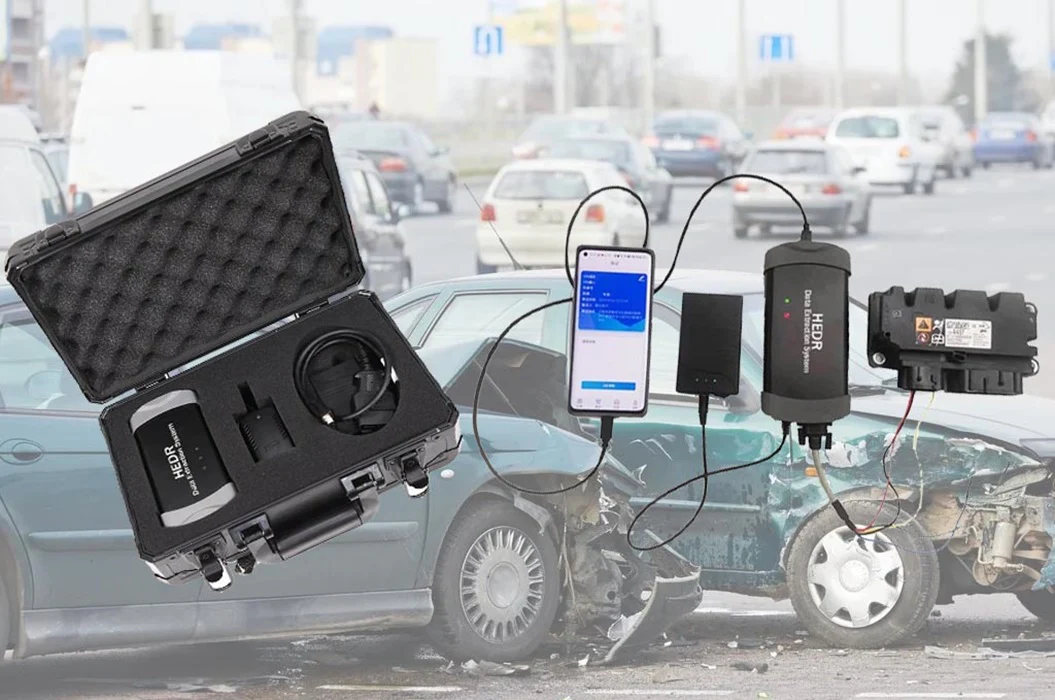
1. The Architecture: The PSOM and EEPROM
By 2000, Ford utilized a Programmable Speedometer Odometer Module (PSOM). Unlike mechanical systems, the E-350 uses a Vehicle Speed Sensor (VSS) located on the rear differential to send frequency pulses to the cluster.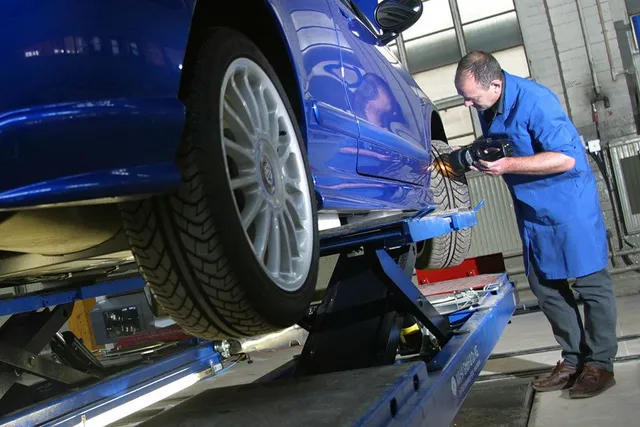
This data is processed and stored in an EEPROM (Electrically Erasable Programmable Read-Only Memory) chip within the instrument cluster. Because this chip is a non-volatile rewriteable storage medium, it is technically possible to alter the stored mileage value using an EEPROM programmer or specialized OBD-II interfaces.
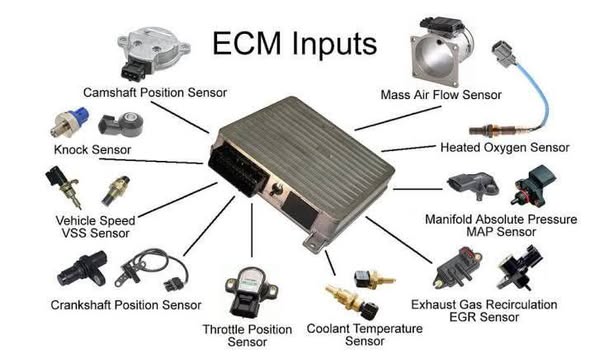
2. Forensic Methods of Tampering
There are three primary avenues through which the mileage integrity of a 2000 E-350 can be compromised: * EEPROM Overwriting: Technicians use 'pogo pins' or desoldering techniques to access the cluster's circuit board, manually rewriting the hex values that represent mileage.* Cluster Swapping: Since the E-350 stores mileage data within the instrument cluster rather than exclusively in the Engine Control Unit (ECU), a physical swap with a lower-mileage unit from a salvage yard will immediately change the displayed value. * Signal Interruption: Though less common for permanent rollbacks, 'mileage blockers' can be inserted into the VSS signal path to prevent the odometer from accumulating distance in real-time.
3. Verification: Detecting the 'Ghost' Miles
To protect the 'Single Source of Truth' regarding vehicle history, engineers use several forensic steps to verify authenticity: 1. IPC vs. PCM Cross-Check: Using a high-level diagnostic scanner, a technician can query the Powertrain Control Module (PCM) for 'Engine Hours' or 'Key Cycles.' If a van shows 50,000 miles but 8,000 engine hours, the math suggests a massive discrepancy in average speed, indicating potential tampering.2. Physical Wear Audit: Automation cannot mask physical entropy. Excessive wear on the brake pedal pad, steering wheel texture, and driver-side seat bolsters provide a 'mechanical timestamp' that often contradicts a low-mileage digital reading. 3. History Scrapping: Modern vehicle history reports (Carfax, AutoCheck) automate the collection of mileage data from emissions stations and service centers. Any break in the chronological increase of mileage is flagged as a 'Mileage Discrepancy'.