1. The Evolution: From Analog Cables to Digital Pulsations
To understand the current state of vehicle diagnostics, we must analyze the shift from mechanical torque to electronic signal processing.Mechanical Induction (Legacy)
Older vans utilized a flexible steel cable geared to the transmission. This cable spun a permanent magnet inside an aluminum 'speed cup,' inducing eddy currents that pulled the needle against a hairspring.Digital Hall-Effect Sensing (Modern)
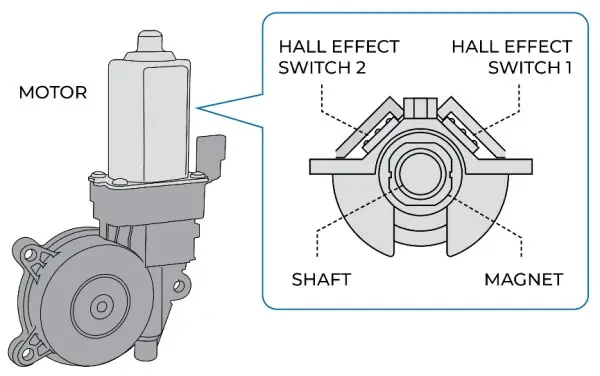
In modern chassis like the Mercedes Sprinter or Ford Transit, the mechanical link is replaced by a Vehicle Speed Sensor (VSS). These Hall-effect sensors detect magnetic pulses from a reluctor ring on the transmission output shaft.
These pulses are transmitted to the Engine Control Unit (ECU), which calculates instantaneous velocity and broadcasts the data across the vehicle's internal network.
2. The CAN Bus: The Nervous System of the Van
The Controller Area Network (CAN bus) allows the speedometer data to be shared as a high-priority resource among various modules. This connectivity is the prerequisite for modern vehicle automation: * ADAS Integration: Speedometer data is fused with Radar/LiDAR inputs to automate Adaptive Cruise Control (ACC) and Emergency Braking. * Fleet Telemetry: Through the OBD-II port, speed data is ingested by IoT gateways. Automated fleet management tools use this 'Instantaneous Speed' to generate safety scores and optimize fuel consumption across thousands of units.
3. Diagnostic Workflow: Troubleshooting Signal Integrity
Automation relies on the deterministic accuracy of the input signal. If a van's speedometer displays erratic readings, it disrupts the entire ADAS stack. Follow this engineering diagnostic path: 1. OBD-II PID Validation: Query the 'Vehicle Speed' PID (Parameter ID) using a diagnostic scanner. If the ECU reports a steady speed but the dashboard flickers, the fault is isolated to the instrument cluster's stepper motor or PCB. 2. VSS Signal Audit: Inspect the wheel speed sensors for ferrous debris. In many modern vans, speed is derived from the ABS sensors; a contaminated reluctor ring will induce signal noise. 3. Ground Path Analysis: Digital clusters are sensitive to impedance. A corroded ground termination can induce voltage drops that cause the display to reset during high-load events.4. Future Trends: AR HUDs and V2X
The next phase of evolution involves the complete removal of physical dials. Heads-Up Displays (HUDs) project velocity data onto the windshield using Augmented Reality (AR). In the context of V2X (Vehicle-to-Everything) communication, a van's speedometer data will be shared with smart-city infrastructure, allowing for automated traffic-flow synchronization and 'green wave' optimization for commercial fleets.Conclusion
A van’s speedometer is the heartbeat of a sophisticated data organism. By understanding the transition from mechanical gears to digital pulses, engineers can better manage the complex systems that define modern commercial logistics. Accuracy in velocity measurement is the foundation of deterministic vehicle automation.