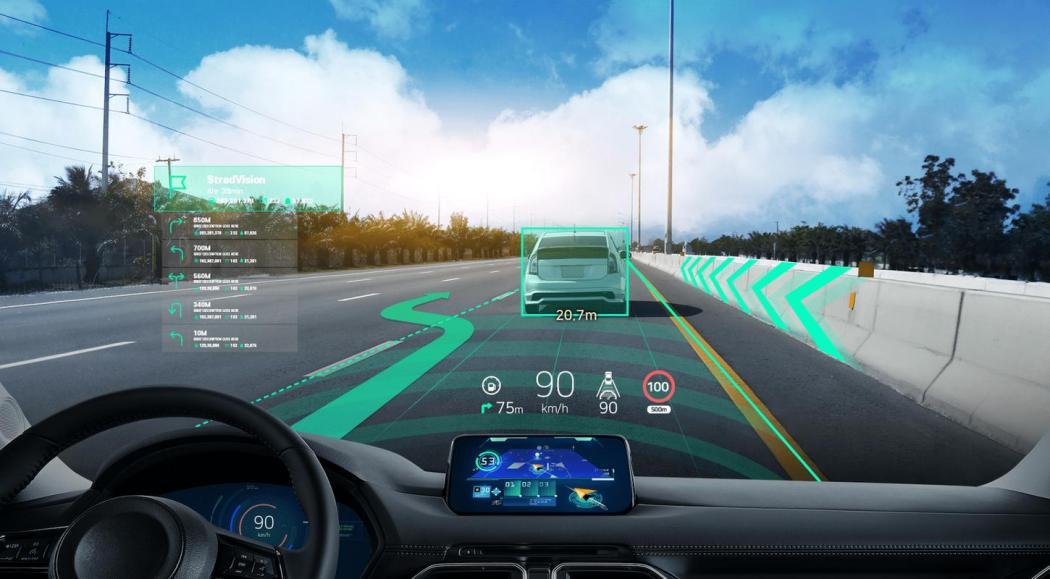
1. The Paradox of Unmonitored Velocity
In high-performance automotive engineering, speed is a scalar quantity, while velocity is a vector. A 'shark' without a gauge is merely moving fast; a shark with a speedometer possesses direction and control. In the development of automated driving systems, implementing high-speed control loops without real-time observability is a systemic liability.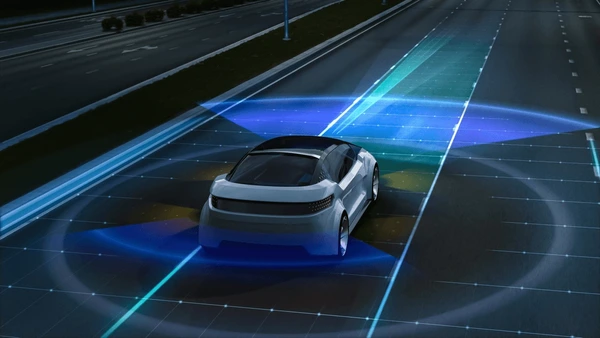
Without a precise 'speedometer'—a suite of sensors including Inertial Measurement Units (IMUs) and GNSS ground truth—an automated system cannot quantify its own momentum or identify the threshold where mechanical stress exceeds structural integrity.
2. The Anatomy of the Speedometer: Telemetry Layers
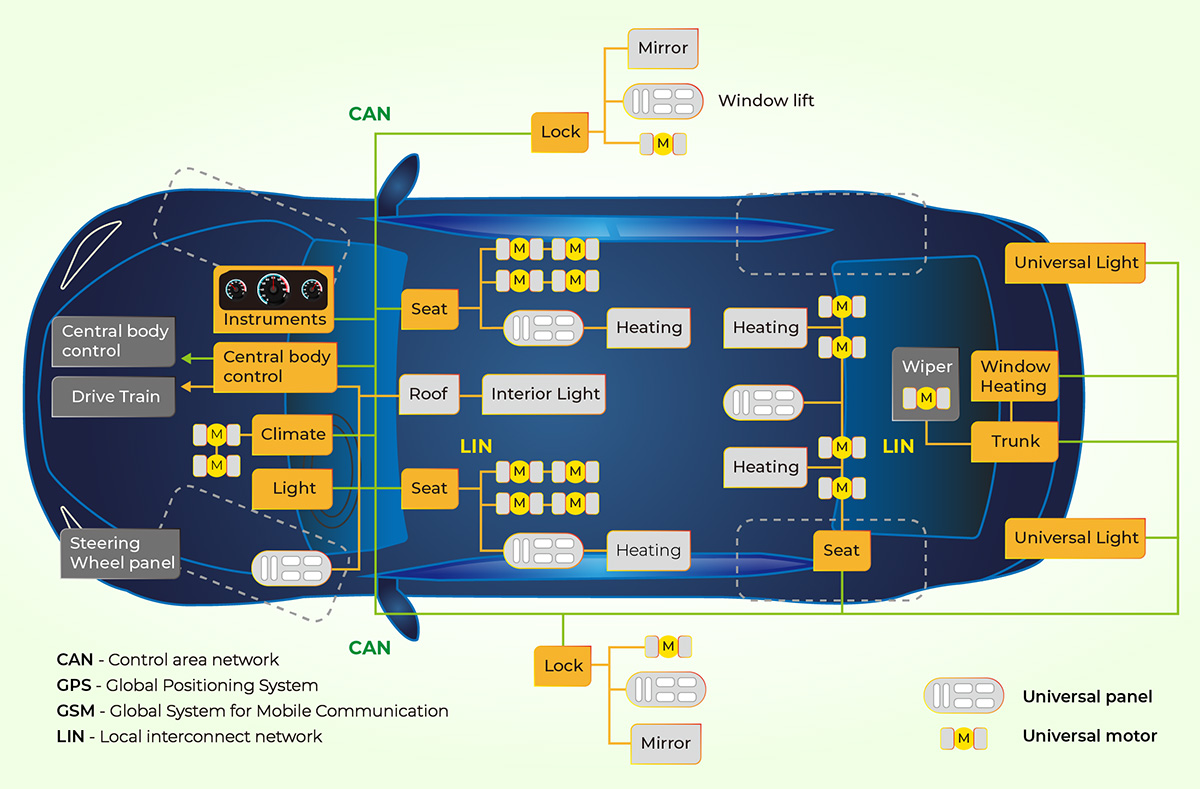
To build a 'shark' with a speedometer, one must integrate three core layers of vehicle telemetry: * Throughput Analysis: Measuring the frequency of data packets sent across the CAN Bus to ensure sub-millisecond responsiveness. * Latency Observability: Identifying the temporal delta between a sensor trigger (e.g., LiDAR detection) and the physical execution of a braking or steering maneuver. * Sensor Fusion Integrity: Cross-referencing raw wheel pulses with satellite Doppler shifts to eliminate the inherent deceptions of mechanical drift.3. The 'Governor' Logic: Adaptive Speed Regulation
A speedometer is not merely a passive display; it is a regulatory input. In advanced vehicle automation, this acts as a 'Governor.' If the internal telemetry detects excessive heat in the drivetrain or signal jitter in the GPS, the system must automatically throttle its velocity. This Closed-Loop feedback prevents the 'predator' from self-destructing due to environmental variables or hardware over-extension.4. Future Outlook: Predatory Efficiency through AI
The next evolution involves AI-driven predictive speed. Rather than reacting to current velocity, modern autonomous 'sharks' utilize machine learning to predict the optimal speed for an upcoming curve or terrain change. This is the pinnacle of Apex Technology—systems that possess the raw instinct of a predator coupled with the sub-decimal precision of a digital gauge.Conclusion
In the current automotive climate, being fast is a baseline. To dominate the sector, your systems must be 'sharks with speedometers.' You need the aggressive efficiency of high-output engineering coupled with the sophisticated tracking to ensure every movement is measured and optimized. Don't just drive—dominate the data.