In the UK vehicle telemetry sector, the discrepancy between a dashboard reading and a GPS-enabled smartphone is a deliberate engineering artifact. For drivers and data specialists, understanding this 'Precision Gap' requires an analysis of international regulatory frameworks and the mechanical variables of the rolling chassis.
1. The Legal Buffer: UN ECE Regulation 39
UK vehicle instrumentation is governed by
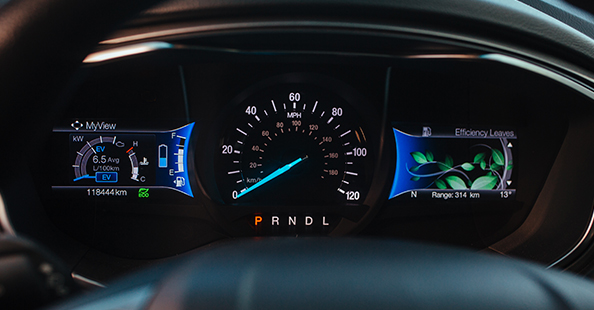
UN ECE Regulation 39, which mandates a systematic positive error. The law is asymmetrical: a speedometer is strictly forbidden from under-reporting speed. To mitigate manufacturer liability, the regulation permits an over-reading margin of up to
10% of the true speed plus 6.25 mph (4 km/h). Consequently, an indicated 70 mph on the M4 often represents a true Ground Speed (SOG) of approximately 66-68 mph.
2. Mechanical Jitter: The Rolling Radius Variable
Speedometers derive velocity by sampling the rotation frequency (RPM) of the transmission or wheel hubs via
Hall Effect sensors. This calculation relies on a static assumption of the tire's circumference, which is compromised by physical entropy:
*
Tread Degradation: As tires wear from 8mm to the legal 1.6mm limit, the outer diameter shrinks. A smaller wheel must rotate faster to cover the same distance, forcing the ECU to report an inflated velocity.
*
Inflation Pressure: Under-inflated tires compress the rolling radius, increasing the pulse frequency per mile and further skewing the dashboard's 'optimistic' bias.
3. GNSS Ground Truth vs. ECU Logic
While the dashboard display is filtered for human consumption, the car's
Engine Control Unit (ECU) often calculates a more accurate 'Raw Speed' internally. By utilizing an
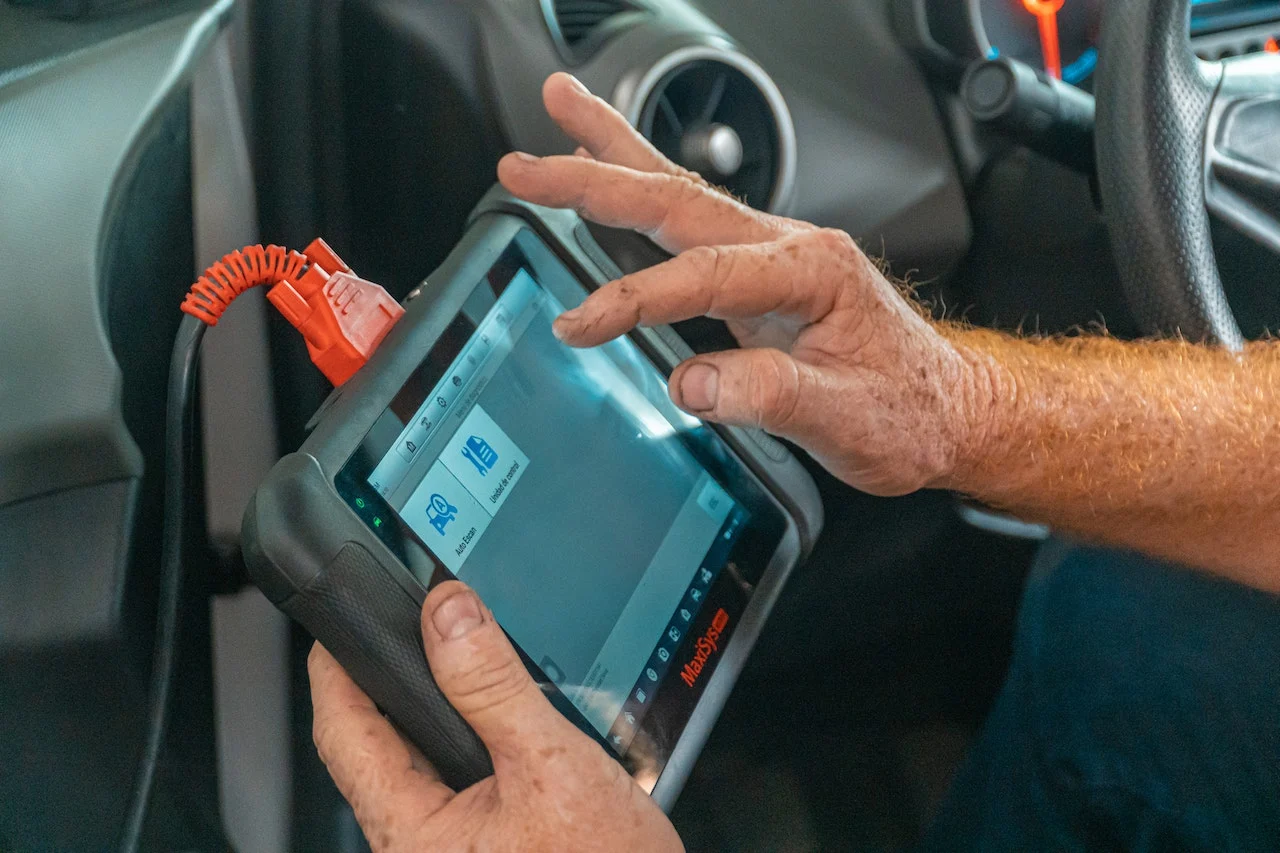
OBDII automation bridge, users can intercept this raw data. You will frequently find that the ECU's internal telemetry aligns with GPS ground truth (calculated via Doppler shift), proving that the dashboard discrepancy is a deliberate software-level modification applied at the HMI (Human-Machine Interface) layer.
4. Automation and Fleet Telemetry
For developers building automated mileage loggers or fleet tracking software, the data source is critical. Relying on 'Display Speed' introduces a cumulative error in distance calculations. The gold standard for precision remains
Sensor Fusion—reconciling high-frequency (10Hz+) GNSS data with raw ECU pulses to eliminate the inherent 'Display Offset' required by UK law.
Conclusion
Are speedometers accurate in the UK? They are precisely inaccurate by design. They act as a safety-oriented interface, protecting the driver from legal infractions while accounting for physical wear and tear. For mission-critical data, the only unassailable truth lies in the integration of raw vehicle telemetry with high-refresh satellite data.