1. The Physics of the Dial: Instantaneous Speed
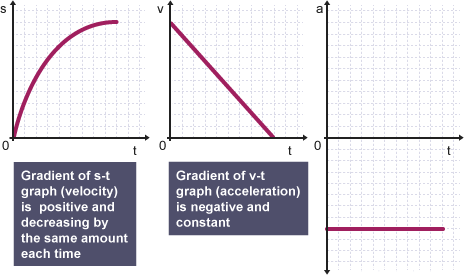
To understand the data, we must distinguish between speed and velocity. While often used interchangeably, a speedometer specifically measures 'instantaneous speed'—the magnitude of motion at a specific micro-moment ($t$).Most speedometers do not measure ground speed directly. Instead, they monitor the rotational speed of the transmission or wheel hubs. This data is converted into linear speed (MPH or KM/H) based on the assumed rolling radius of the tires.
2. The Evolution of Sensing: Eddy Currents to Hall Effect
The hardware used to capture motion has evolved from mechanical tension to high-frequency digital pulses.Mechanical Induction (Eddy Currents)
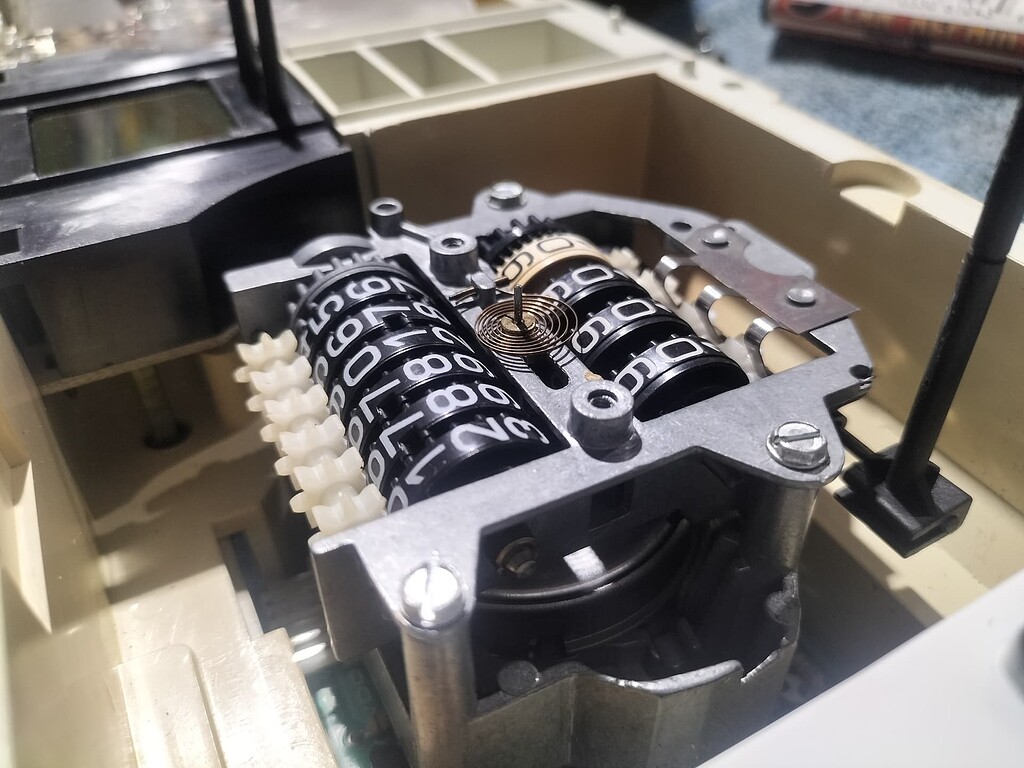
Historically, speedometers utilized a flexible cable geared to the transmission. This cable spun a permanent magnet inside an aluminum 'speed cup'. The rotating magnetic field induced tiny electrical currents—eddy currents—in the cup, creating torque that pulled the needle against a hairspring.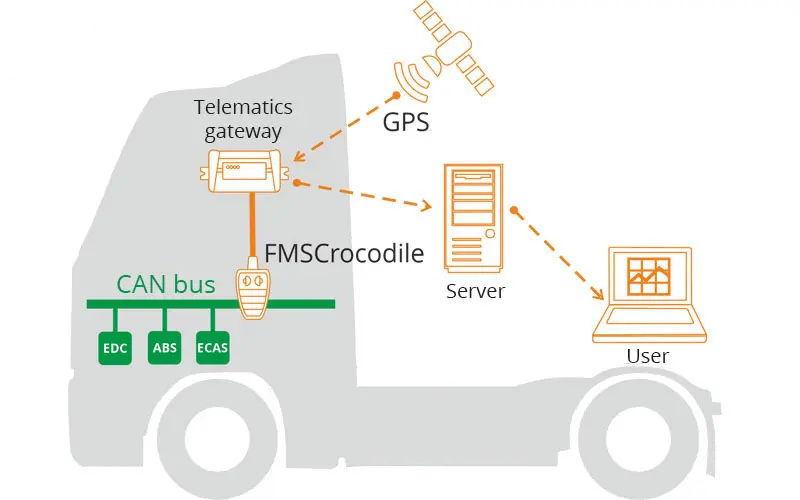
Electronic Sensing (Hall Effect)
Modern vehicles utilize the Hall Effect to generate digital square-wave pulses. A toothed reluctor ring on the drivetrain spins past a stationary magnetic sensor.As each tooth passes, the sensor sends a pulse to the Engine Control Unit (ECU). The ECU calculates the frequency ($f$) and applies a deterministic algorithm to render the velocity readout.
3. Speed as an Automation Trigger
In a software-defined vehicle, the speedometer is the primary input for automated control loops: * Transmission Control (TCM): To determine optimal shift points based on load and velocity. * Adaptive Cruise Control (ACC): The ECU polls speedometer data to maintain a safe temporal gap from the vehicle ahead, modulating throttle or braking automatically. * Active Safety (ABS/TCS): To detect wheel slip or lock-up by comparing individual wheel speed data against the central velocity metric.4. Variables Affecting Data Integrity
Because the speedometer infers speed from rotation, physical changes to the vehicle can compromise accuracy: * Tire Diameter: Larger aftermarket rims increase the distance traveled per revolution, causing the speedometer to under-report actual speed. * Rolling Radius: Significant tread wear or under-inflation decreases the effective diameter, causing the gauge to report a higher-than-actual velocity.Conclusion
A speedometer measures the instantaneous scalar speed of the vehicle's drivetrain. Whether through mechanical torque or digital pulse-counting, this device provides the high-fidelity feedback necessary for both driver awareness and automated vehicle safety. By mastering the mechanics of this sensor, engineers ensure the deterministic performance of the modern automotive tech stack.