1. The Anatomy of the Jump: Mechanical vs. Electronic
To isolate the cause of erratic needle behavior, you must first identify the generation of technology powering your cluster.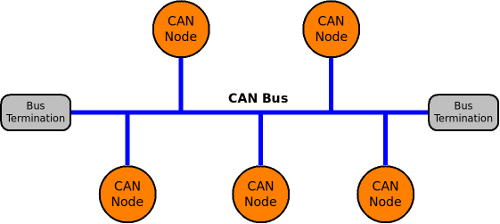
Mechanical Era: Cable Friction and Binding
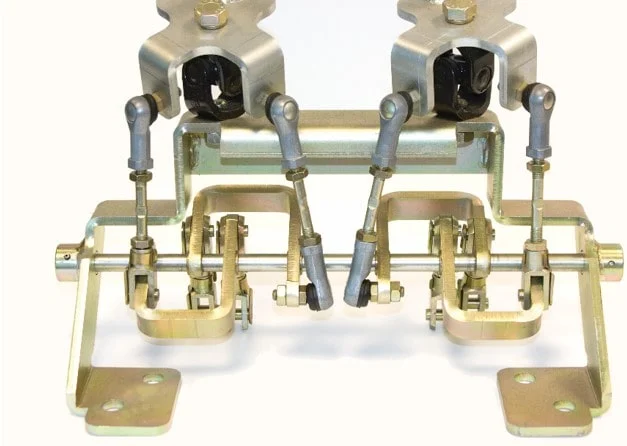
In vintage vehicles, a flexible steel cable physically links the transmission to the gauge.If the needle is bouncing, the primary culprit is often high friction or 'binding' within the cable housing. As the internal grease dries, the cable resists rotation momentarily before 'snapping' forward. This creates a rhythmic jumping motion. A kinked cable housing can also cause the internal wire to strike the walls, inducing erratic torque on the needle's hairspring.
Electronic Era: VSS and Signal Noise
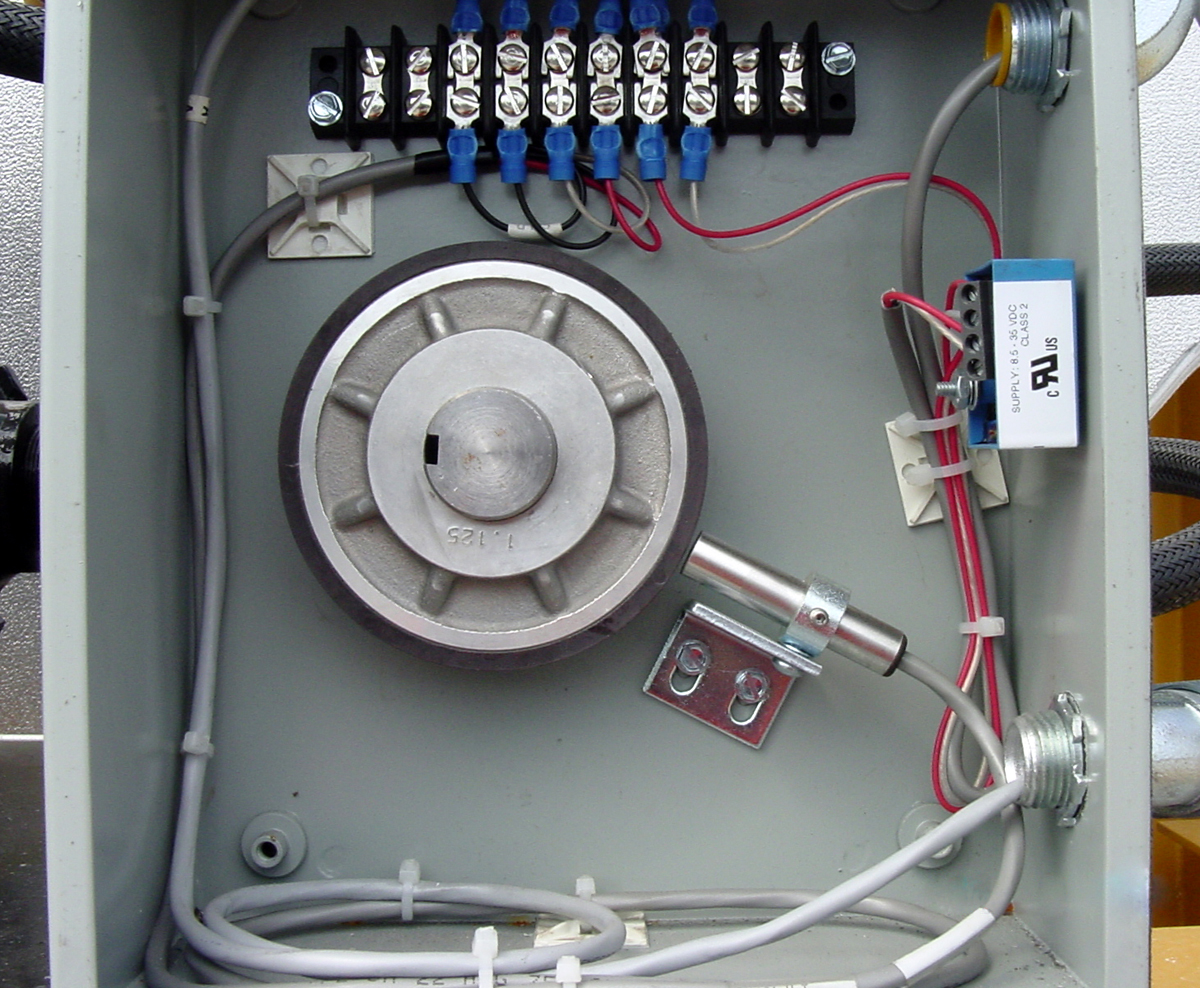
Modern vehicles utilize a Vehicle Speed Sensor (VSS), typically a Hall Effect sensor. It generates a digital square-wave pulse train by monitoring a rotating reluctor ring.When a digital-drive needle jumps, you are likely witnessing 'signal noise.' This can be caused by ferrous debris on the magnetic sensor tip, a high-resistance ground connection, or electromagnetic interference (EMI) from aftermarket high-voltage electronics.
2. Diagnostic Automation: Using OBD-II Telemetry
In current automotive systems, speed data is shared across the CAN Bus with the ABS, ECU, and Transmission Control Module.You can leverage automated diagnostic tools to isolate the fault: * The Cluster Test: If a digital OBD-II scanner shows a steady velocity while the physical needle jumps, the fault is isolated to the instrument cluster’s stepper motor. * The Sensor Audit: If the scanner shows the same erratic jumps as the needle, the issue originates at the VSS or the wiring harness.
3. Step-by-Step: Resolving the Jitter
1. Signal Continuity Check: Inspect the VSS connector for corrosion. High resistance in the circuit can lead to dropped pulses, causing the ECU to miscalculate instantaneous speed. 2. Sensor Cleaning: Remove the VSS and clean any metallic sludge from the magnetic head. These filings distort the magnetic flux, leading to erratic pulse frequencies. 3. Cable Service (Vintage): Remove the inner core of the speedometer cable, clean it with solvent, and apply a specialized white lithium-based grease to restore fluid motion. 4. Grounding Audit: Ensure the instrument cluster has a low-impedance path to the chassis. Electrical noise from a bad ground is a common cause of 'needle twitch' at idle or constant speeds.