1. The Physics: Speed vs. Velocity
In automotive dynamics, the distinction between speed and velocity is vital for sensor calibration.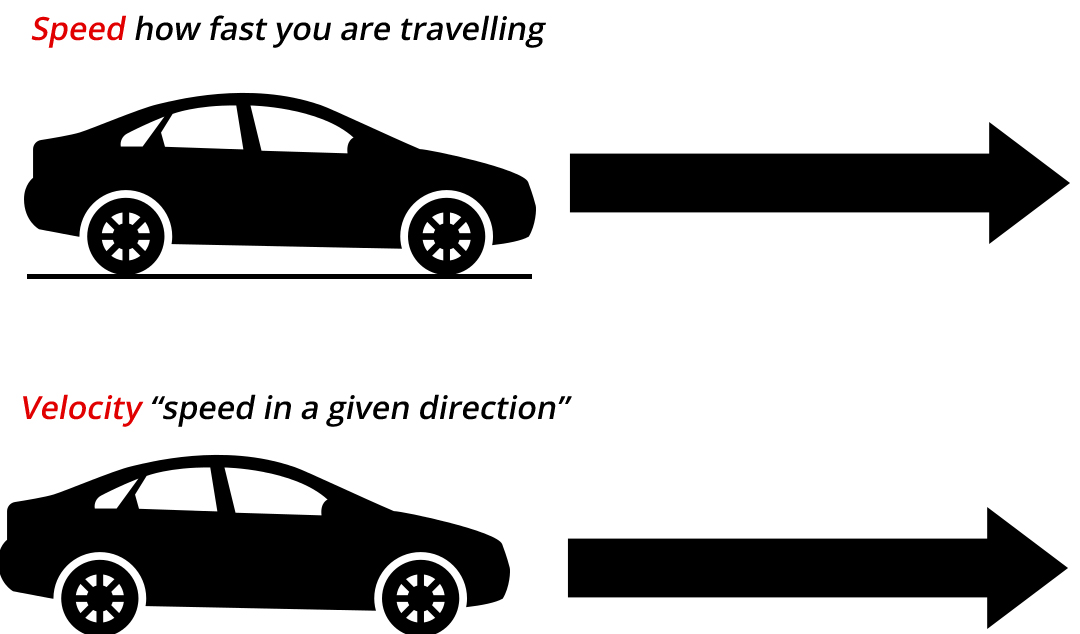
A speedometer normally measures speed, which is a scalar quantity.
This means the device only tracks the magnitude of motion—rotational frequency converted to linear distance—without regard for orientation. If a vehicle maintains 50 mph on a circular test track, the speedometer remains constant at 50, even though the vehicle's velocity (a vector quantity including direction) is in a state of constant flux due to centripetal acceleration.
2. From Magnets to Microchips: Sensor Evolution
The hardware used to capture motion has transitioned from physical torque to high-frequency digital pulses.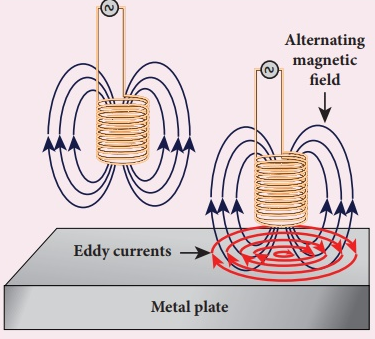
Mechanical Era: Eddy Current Induction
Historically, speedometers utilized a flexible cable geared to the transmission. This cable spun a permanent magnet inside an aluminum 'speed cup'. The rotating magnetic field induced tiny electrical currents—eddy currents—in the cup, creating torque that pulled the needle against a hairspring.Digital Era: Electronic Speed Sensors (VSS)
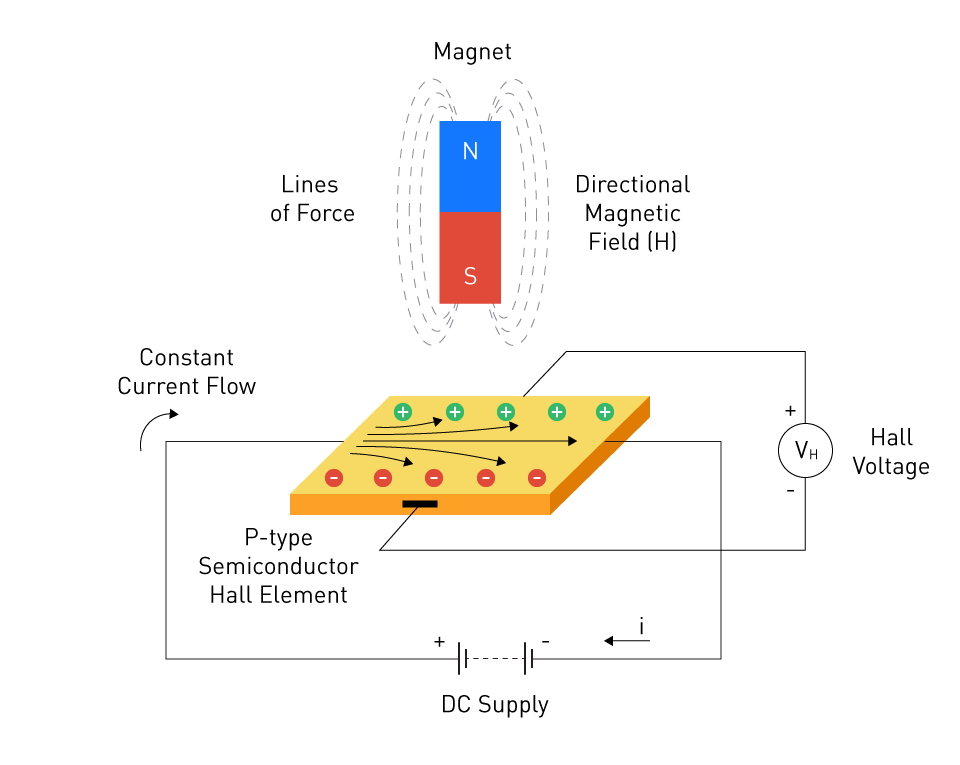
Modern vehicles utilize the Hall Effect to generate digital square-wave pulses. The process follows a strict telemetry flow: 1. The Rotation Sensor: A Hall Effect sensor is positioned near a toothed reluctor ring on the transmission output shaft. 2. Magnetic Pulses: As the gear spins, it breaks a magnetic field, creating a pulse train. 3. The ECU Translation: The Engine Control Unit (ECU) counts these pulses ($f$) and applies a deterministic algorithm—factoring in the assumed rolling radius of the tires—to render the velocity readout.3. The Role of Speed in Vehicle Automation
In a software-defined vehicle, speedometer data is a primary input for Adaptive Cruise Control (ACC). This is a closed-loop automation system. The ECU does not merely display a number; it uses that value to make real-time decisions—modulating throttle or applying braking to maintain a safe temporal gap from the vehicle ahead.4. Calibration Variables: Why Accuracy Fluctuates
Because the speedometer infers speed from rotation, physical variables can compromise data integrity: * Rolling Radius: Installing oversized tires increases the distance traveled per revolution, causing the speedometer to under-report actual speed. * Tire Wear: Significant tread wear decreases the effective diameter, causing the gauge to report a higher-than-actual velocity. * GNSS vs. VSS: While GPS (GNSS) measures 'Speed Over Ground' via satellite coordinates, it often suffers from latency. Local VSS sensor data is preferred for high-stakes automation because it provides an immediate, real-time feedback loop.Conclusion
What a speedometer normally measures is more than just a number—it is the deterministic heartbeat of a vehicle's performance. By understanding the mechanics of speed measurement, engineers gain the power to implement vehicle systems with greater precision and safety.