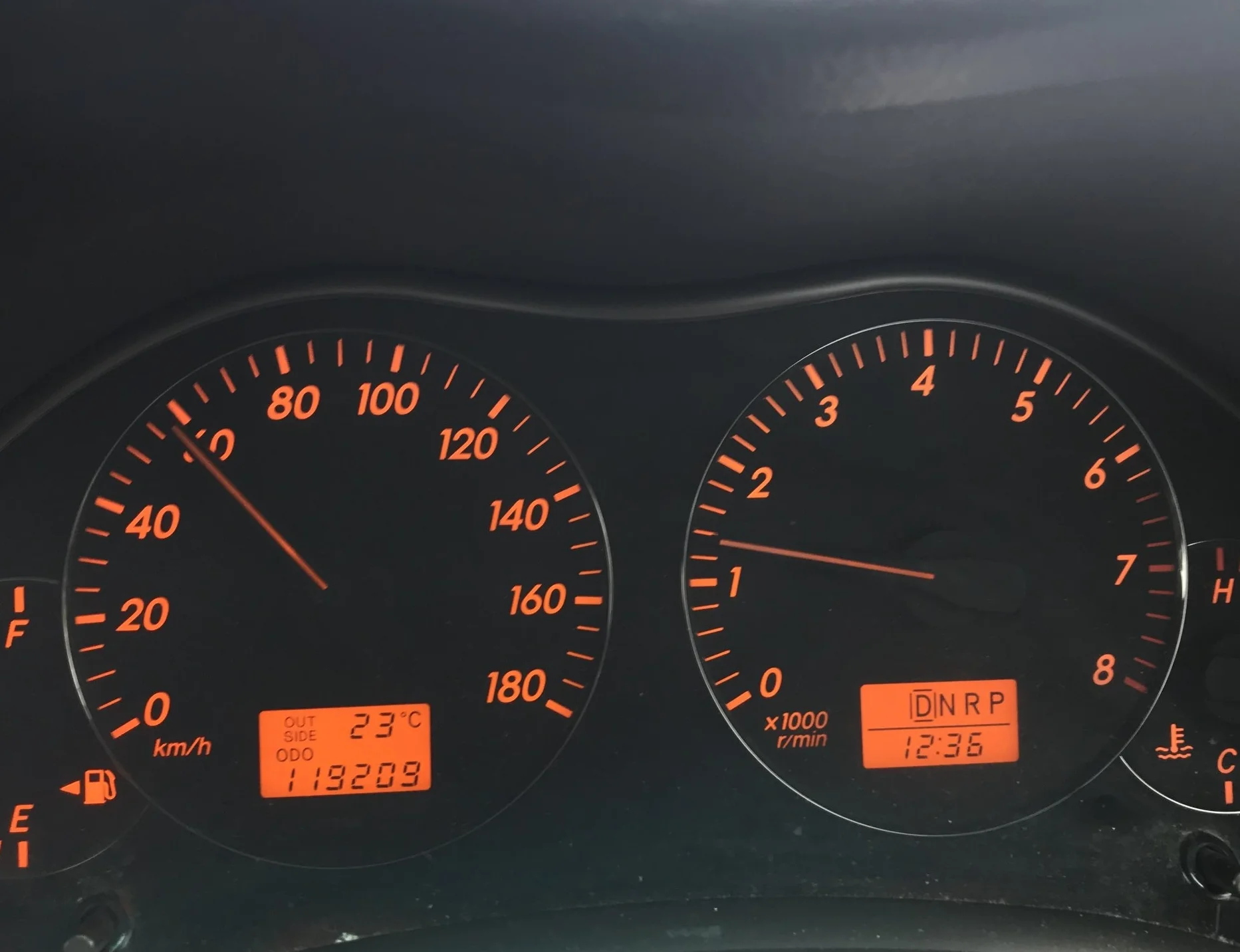
In high-fidelity vehicle telemetry, the 5-MPH gap between your dashboard and GPS ground truth is rarely a hardware failure—it is a deliberate 'optimistic' calibration. For developers and riders building precision data logs, understanding the systematic bias of OEM gauges is the first step toward achieving a sub-decimeter accurate digital twin.

1. The Compliance Offset: UN/ECE Regulation 39
Most global motorcycle manufacturers adhere to
UN/ECE R39, a regulatory framework designed to eliminate manufacturer liability for under-reporting velocity. The mandate stipulates that the indicated speed must never be lower than the true speed, but permits an 'optimistic' error margin of up to
10% plus 4 km/h. This creates a legal 'firewall' that prioritizes safety buffers over raw data integrity.
2. Physical Noise: Rolling Radius Drift
Modern speedometers derive velocity from a
Hall-effect sensor monitoring output shaft rotation. This logic assumes a fixed tire circumference, which is inherently unstable in the physical world. Factors such as
tread degradation (reducing wheel diameter),
centrifugal expansion at high speeds, and
aftermarket sprocket swaps fundamentally alter the pulse frequency sent to the ECU, causing the dashboard to 'over-clock' your reported speed.
3. The Calibration Fix: Signal Interception
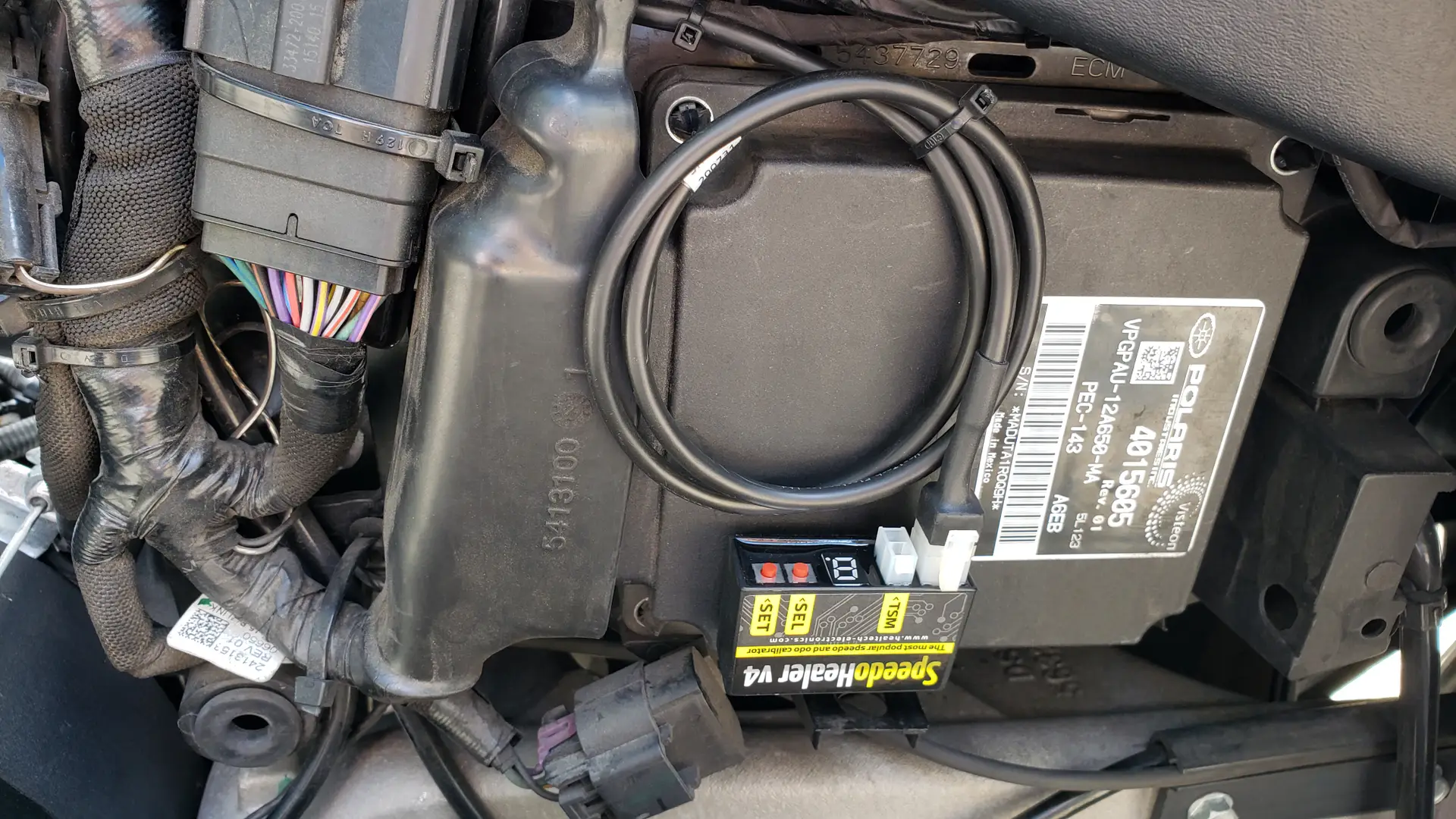
For tech-savvy riders, a 7% error margin is unacceptable. Correcting this requires a 'man-in-the-middle' hardware solution, such as a
SpeedoHealer, which intercept the pulse signal before it reaches the display. By automating the frequency recalculation via a programmable offset, you can force the dashboard to reconcile with high-refresh (10Hz+) GPS data. However, note the hardware irony: correcting the speedometer often causes the
odometer to under-report, as manufacturers typically calibrate distance with higher precision than velocity to avoid warranty-related class-action suits.
Conclusion
Out of the box, your motorcycle speedometer is a safety-oriented interface, not a precision sensor. By bypassing factory calibration through signal interceptors and sensor fusion, you can reclaim your data integrity and transform a vague suggestion into a mission-critical telemetry node.