SPEED TRACKING
2026-02-17
Beyond the Apple Ecosystem: Are iPhones the Only Phones with Temperature and Speedometer Features?
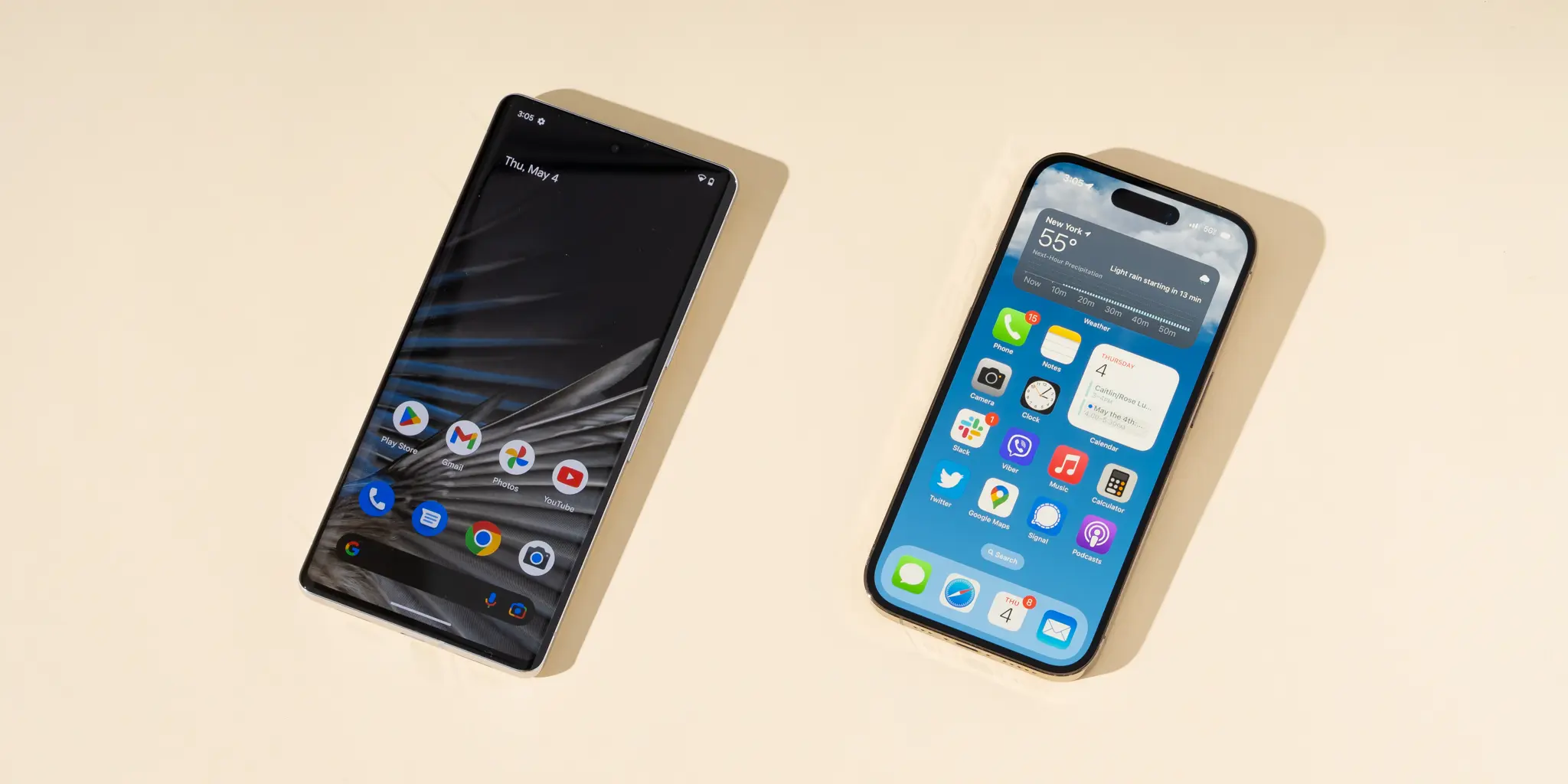
The assumption that iPhones hold a monopoly on environmental and kinematic sensing is a misconception of hardware integration. For developers and automation power users, the real value lies not in the brand, but in the API accessibility of the underlying sensor suite. Whether tracking velocity or monitoring thermal thresholds, the hardware landscape in 2026 is defined by specialized Android implementations and evolving iOS sandboxes.
1. The Speedometer Logic: GPS vs. Inertial Dead Reckoning
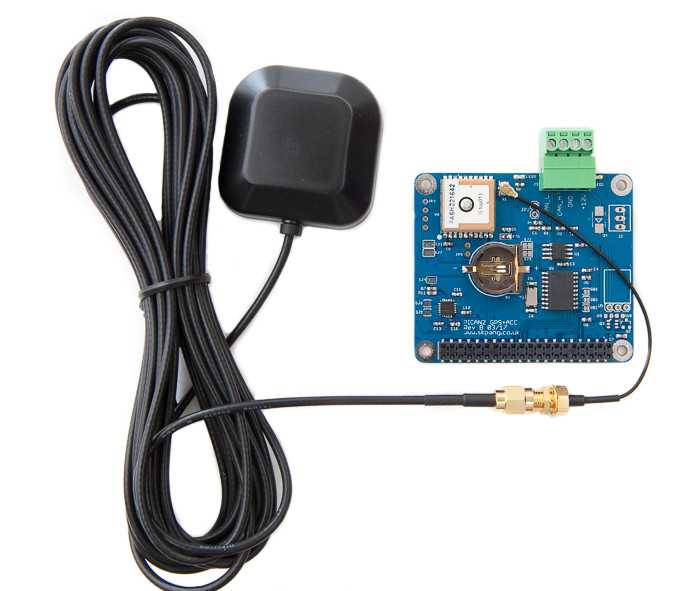
A smartphone speedometer is not a discrete hardware component; it is a software-fused output derived from the GNSS (Global Navigation Satellite System) and IMUs (Inertial Measurement Units). While GPS provides the primary coordinate-over-time velocity, internal accelerometers and gyroscopes bridge the data gaps in signal-denied environments like tunnels. Android offers significantly more granular access to raw NMEA data, allowing automation tools like Tasker to trigger system-level events based on precise velocity thresholds—a level of integration that remains limited within the iOS Shortcut environment.
2. The Thermal Dilemma: Internal Safety vs. Ambient Scanning
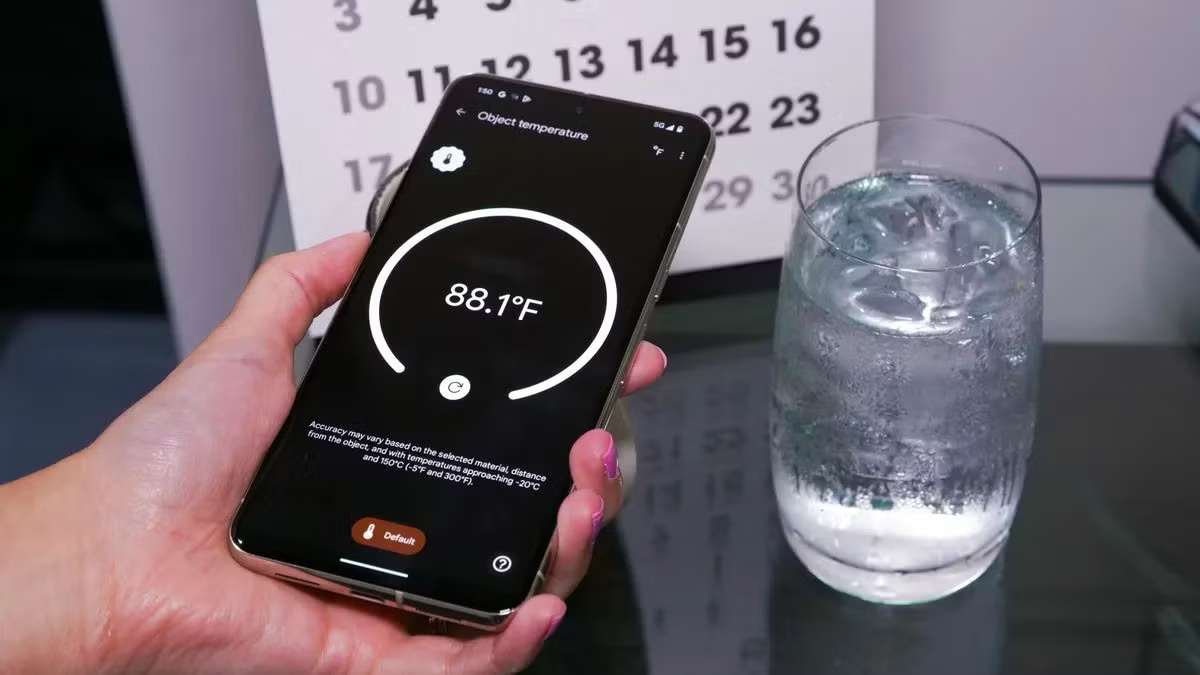
While every modern smartphone utilizes internal thermistors to manage SoC (System on Chip) throttling and battery safety, ambient sensing remains a niche hardware feature. Apple has historically avoided external ambient sensors, relying instead on localized meteorological data pulled via web APIs. Conversely, certain Android devices, most notably the Google Pixel 8 Pro, feature dedicated infrared temperature sensors for real-time object scanning, providing a direct hardware-to-user thermal interface that the iPhone currently lacks.
Conclusion
Are iPhones the only phones with temperature and speedometer features? Clearly, the answer is no. While iPhones provide a polished, user-friendly experience, Android devices often offer more specialized hardware and significantly more freedom for automation-heavy users to utilize that data.