1. The Engineering of 'Optimistic' Dashboards
Speedometer accuracy is governed by a strategy of intentional overestimation. Under the Society of Automotive Engineers (SAE) standards, manufacturers are incentivized to ensure a speedometer never under-reports velocity. This 'positive offset' acts as a liability buffer: if the dashboard indicates 60 mph, the true ground speed is likely 57-58 mph. This ensures that even with manufacturing variances, the vehicle never accidentally violates speeding laws.2. Variables of Physical Entropy: The Input Noise
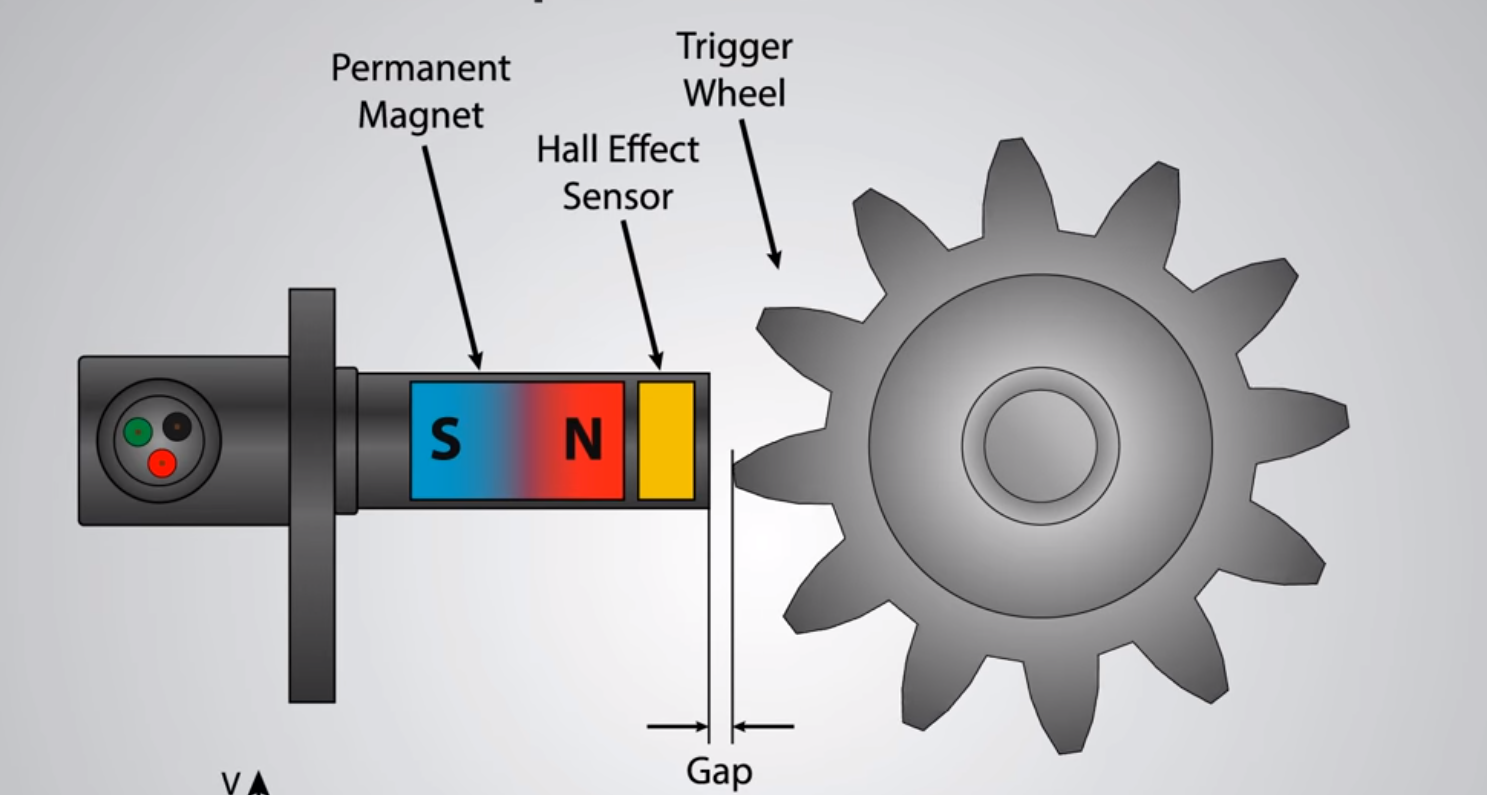
Even a software-controlled dashboard is only as precise as its physical inputs. Most vehicles calculate speed by sampling the rotation frequency (RPM) of the transmission or wheel hubs via Hall Effect sensors.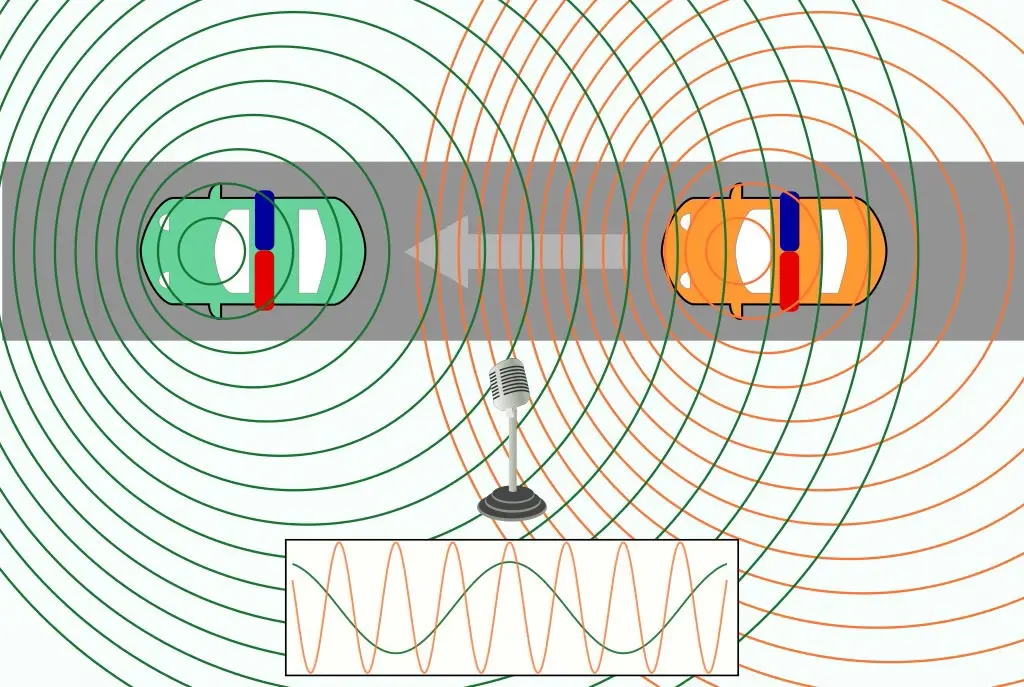
This calculation relies on an assumed tire circumference, which is a dynamic variable influenced by: * Rolling Radius Decay: As tire tread wears down from 10/32" to 2/32", the outer diameter shrinks. A smaller wheel must rotate faster to cover the same distance, forcing the ECU to report an inflated speed. * Inflation Pressure: Under-inflated tires compress the rolling radius, increasing the pulse frequency per mile and further skewing the dashboard's bias.
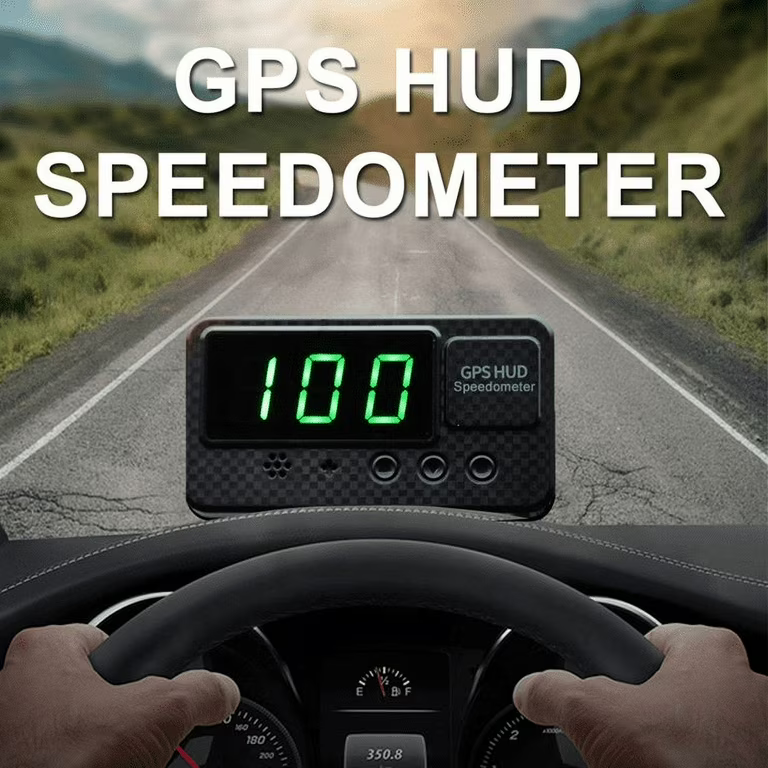
3. GNSS Ground Truth vs. Dashboard UI
If the dashboard and a smartphone disagree, the smartphone's GNSS (Global Navigation Satellite System) data is typically the more objective reference. Unlike mechanical pulse counting, GPS calculates velocity using the Doppler shift of satellite signals. This method is independent of tire wear or gear ratios. While GPS may suffer from 1Hz latency, its steady-state accuracy on a level road is far superior to factory instrumentation.4. Technical Verification via OBD-II
For those seeking absolute precision, the OBD-II port offers an alternative data path. By utilizing a Bluetooth bridge, users can intercept the 'Raw VSS Speed' data packet directly from the ECU. Often, the car's internal logic knows the absolute speed, but adds the systematic offset only when rendering the UI for the digital instrument cluster. Automation tools can bridge this gap by displaying raw sensor telemetry in real-time.