SPEED TRACKING
2026-02-16
The Truth Behind the Dash: Are BMW Motorcycle Speedometers Accurate or Just Optimistic?
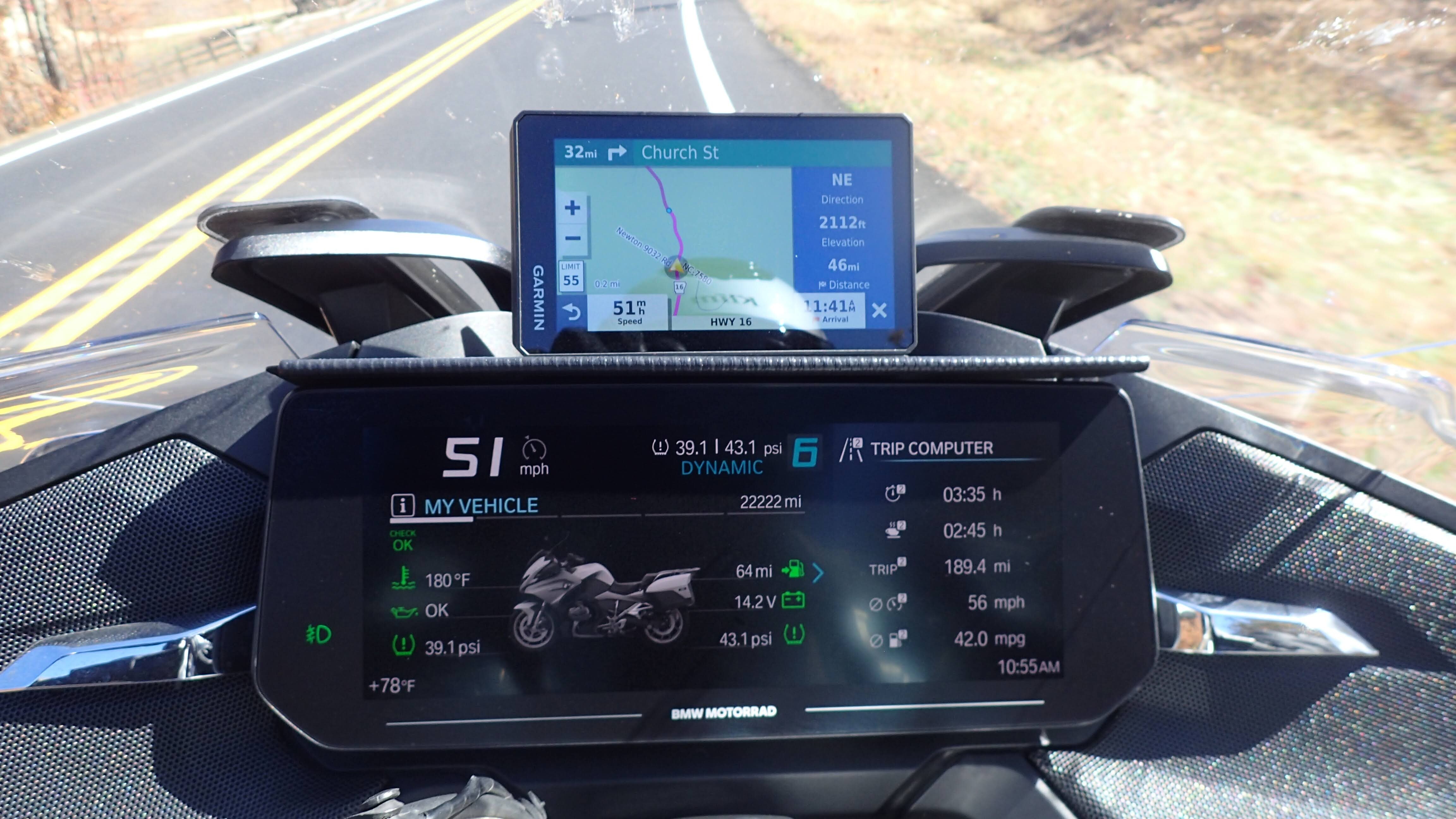
In the world of premium German engineering, the gap between reported speed and actual ground speed is not a bug—it's a calculated feature.
1. The Legal Safety Buffer
BMW speedometers follow
ECE-R39 regulations, which mandate that a dashboard must never under-report speed. To account for variables like tire wear, manufacturers build in an 'optimistic' buffer, usually resulting in a display that is
3% to 7% higher than reality.
2. Variable Telemetry
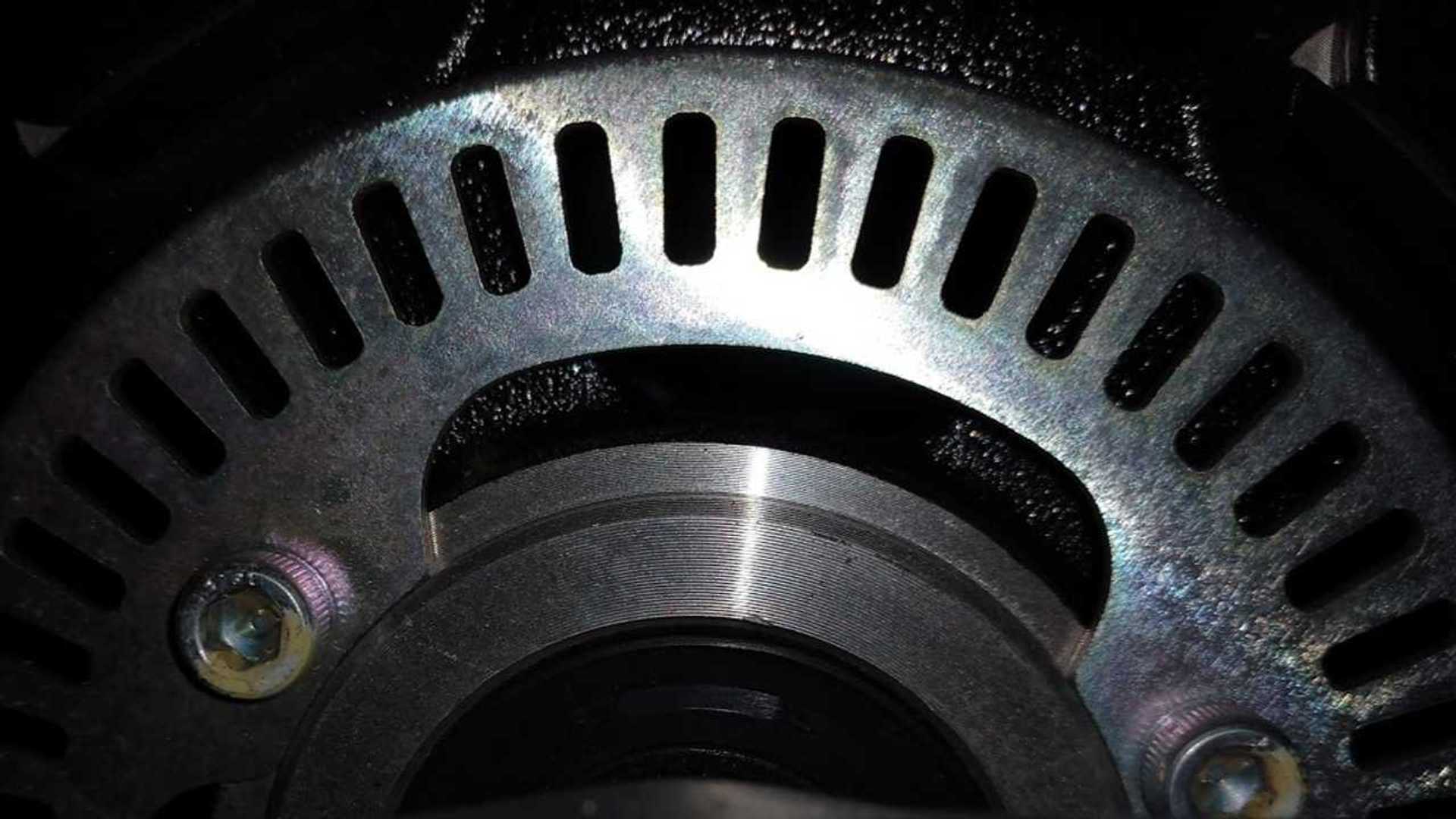
Modern BMWs use
Hall Effect sensors on the ABS rings to track rotation. However, the ECU calculates speed based on a static tire circumference. Accuracy is compromised by:
*
Tire Wear: Smaller diameters force faster rotation, increasing the error.
*
Pressure Changes: Lower PSI reduces the rolling radius, leading to even higher readings.
3. Calibrating for Truth
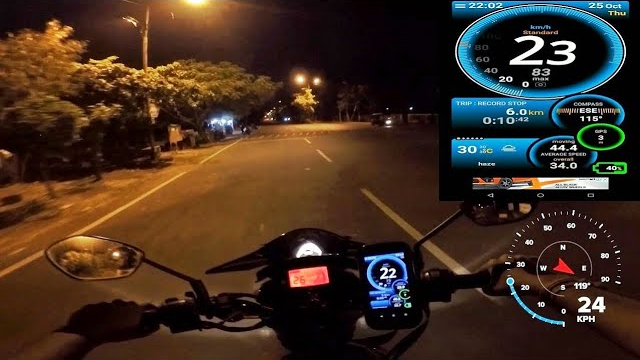
For riders tracking performance data via
ConnectedRide, signal correction is possible. Tools like
SpeedoHealer intercept the ABS pulse and adjust it before it hits the TFT display. High-refresh-rate 10Hz GPS loggers remain the gold standard for verifying 'ground truth' against the factory dash.
Conclusion
Are BMW speedometers accurate? No—they are intentionally calibrated for safety and liability. By utilizing GPS automation and signal correction tools, tech-savvy riders can transform their bikes from factory-tuned machines into precision-calibrated instruments. Stop guessing and start leveraging data.