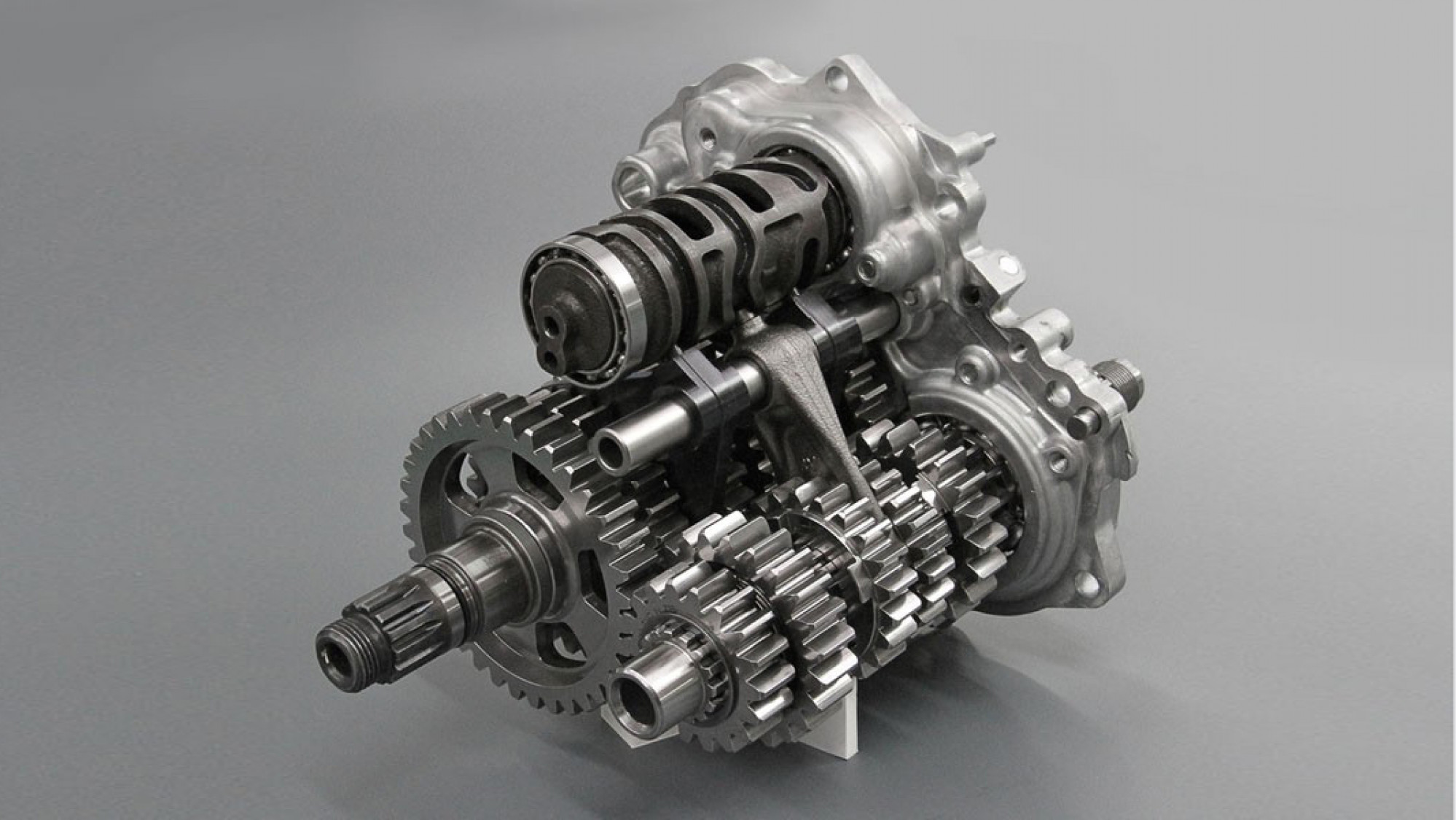
1. The Source of Truth: Countershaft Pulse Sensing
Unlike modern systems that utilize ABS-based wheel speed sensors, the ZX-9R captures velocity at the countershaft (front) sprocket. A magnetic sensor detects the rotation frequency of the sprocket teeth and sends a pulse train to the IC ignitor. This calculation relies on an immutable factory constant: the assumption that the bike is running 16/41 gearing and a standard 190/50-ZR17 rear tire.[Image showing the speed sensor location on the ZX-9R sprocket cover]
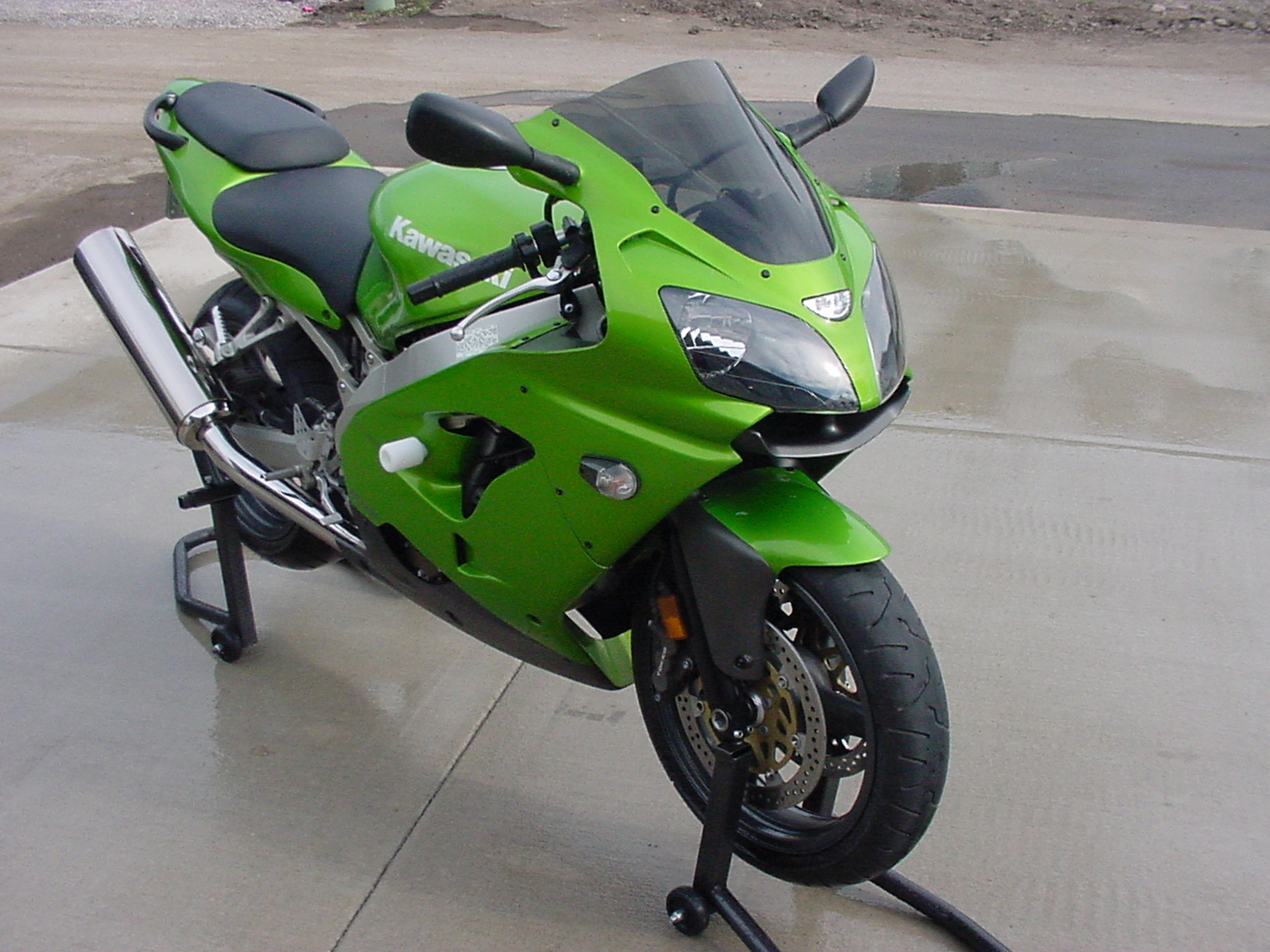
2. Systematic Error and Gear Ratio Delta
Most F1-series Ninjas exhibit a 5.5% to 10% systematic over-reporting of speed. This 'Kawasaki Glitch' is exacerbated by common drivetrain modifications. When a rider 'gears down' for acceleration (e.g., -1 tooth on the front sprocket), the countershaft RPM increases relative to actual road speed. The ECU perceives this higher pulse frequency as increased velocity, pushing the dashboard error margin into the double digits and prematurely inflating the cumulative odometer reading.3. Automating the Correction: Signal Frequency Manipulation
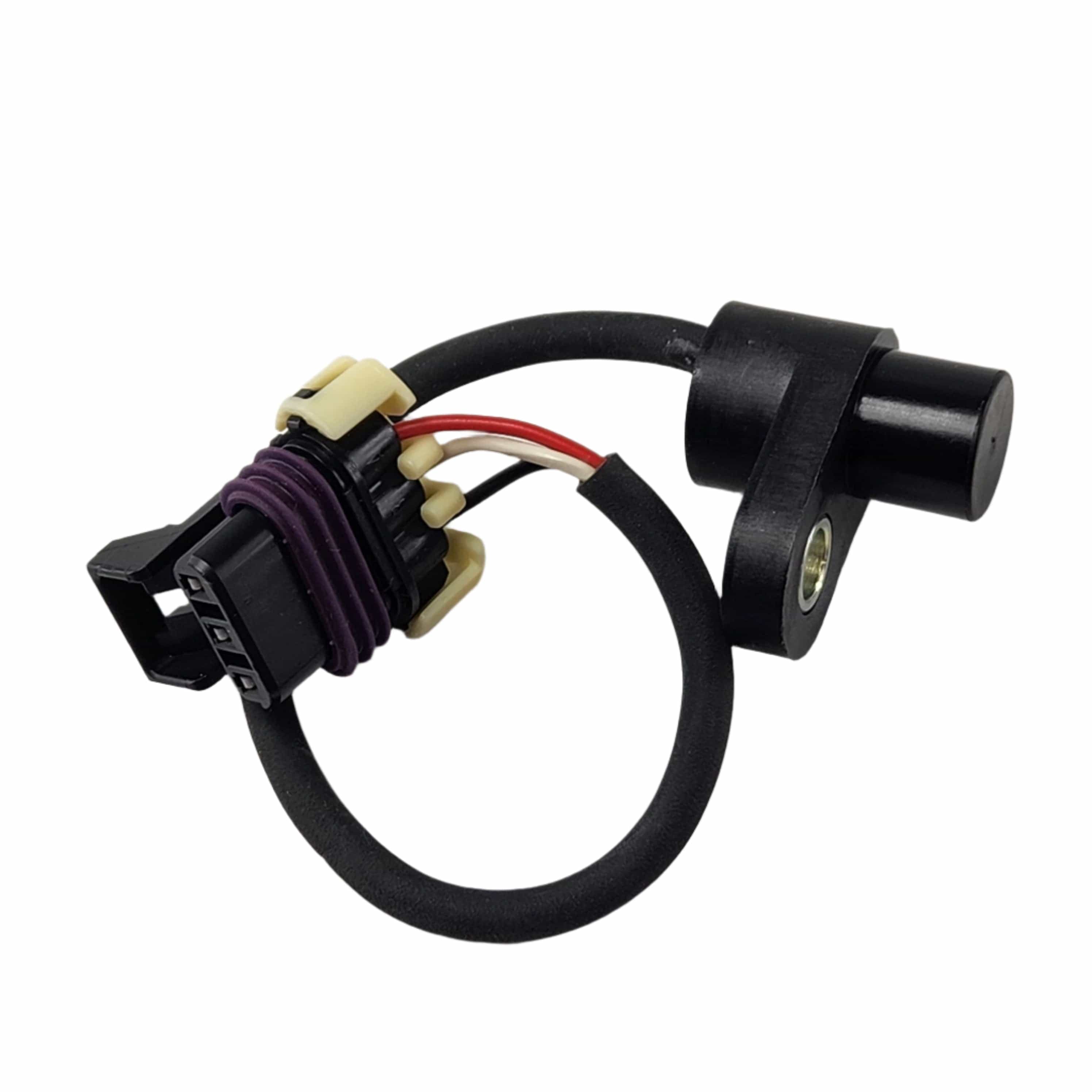
For riders demanding data integrity, physical gear swaps cannot fix a software-based offset. The gold standard for calibration is an electronic signal frequency converter (e.g., SpeedoHealer).This device intercepts the pulse train from the sprocket sensor and applies a real-time mathematical correction factor before the signal reaches the instrument cluster. By cross-referencing steady-state velocity with GNSS (GPS) ground truth, riders can automate the delta correction, ensuring that the 180-mph readout aligns with the laws of physics.
Conclusion
Are the speedometers on a 2002 ZX-9R correct? No—they are legacy estimates prone to mechanical and software bias. For the precision-focused enthusiast, bypassing factory 'optimism' through signal automation is the only way to transform the ZX-9R's telemetry into a reliable performance metric.