1. The Vulnerability of EEPROM and ECU Storage
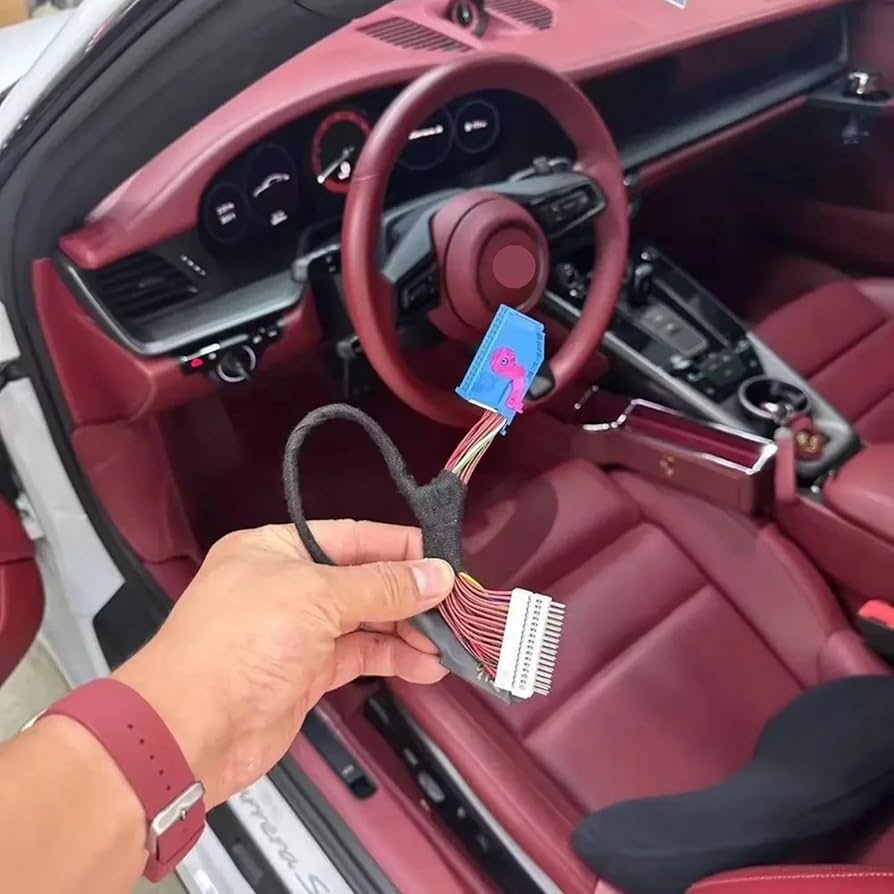
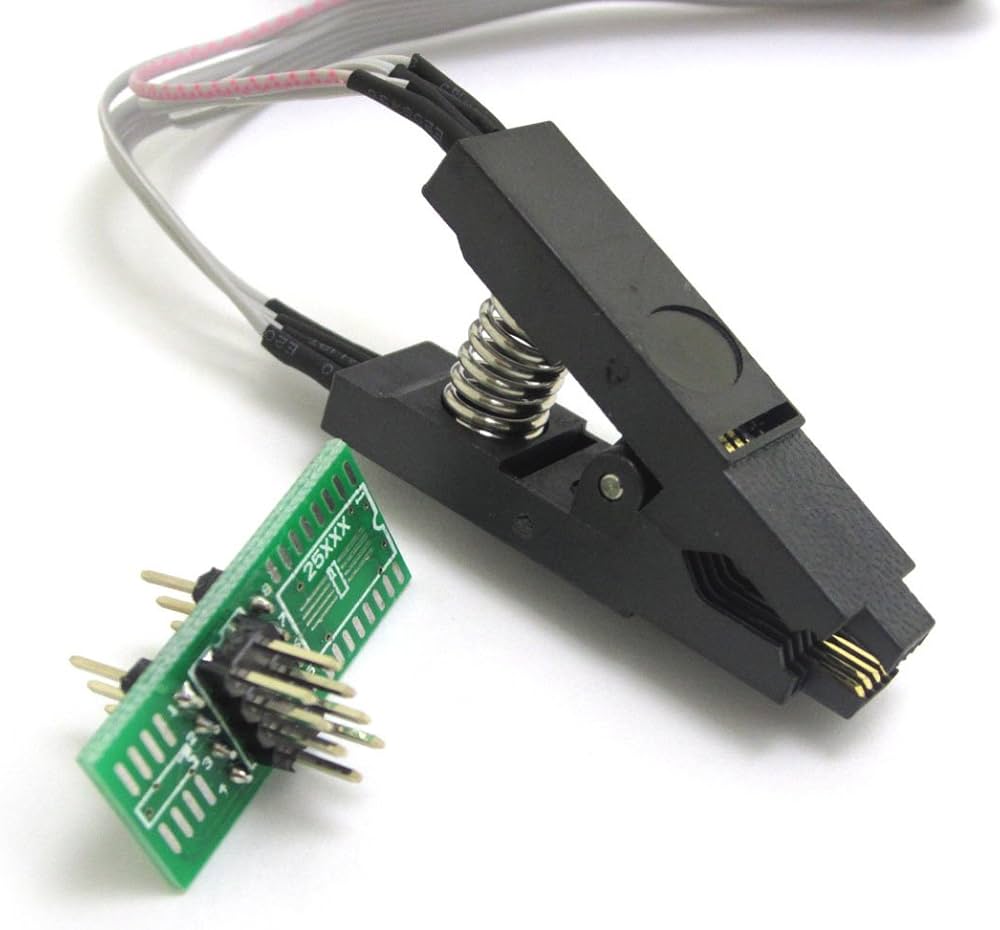
In modern vehicles, mileage is not a physical constant; it is a hexadecimal value stored in the EEPROM (Electrically Erasable Programmable Read-Only Memory) of the instrument cluster and mirrored in the ECU (Engine Control Unit).Fraudsters utilize 'Mileage Correction' hardware to intercept these values via the OBD-II port. If the vehicle's firmware features write-protection, scammers may resort to 'chip-clipping'—physically attaching a programmer to the EEPROM on the PCB to manually overwrite the hex code.
2. The Rise of the 'Mileage Filter' (CAN-Bus Interception)
A more insidious method is the installation of a CAN-Bus Filter. This hardware bridge is inserted behind the dashboard to intercept velocity data packets sent from the transmission.By manipulating the data frequency, the device forces the odometer to record only a fraction (e.g., 10% or 50%) of the actual distance driven. Because the stored code remains 'factory-original,' these rollbacks are invisible to standard diagnostic tools that only check for software integrity.
3. Digital Forensic Auditing: Beyond the Dashboard
To detect digital deception, one must look for data discrepancies across multiple modules. Modern vehicles feature Shadow Memory—mileage logs stored in the ABS module, Airbag controller, or Transmission Control Module (TCM).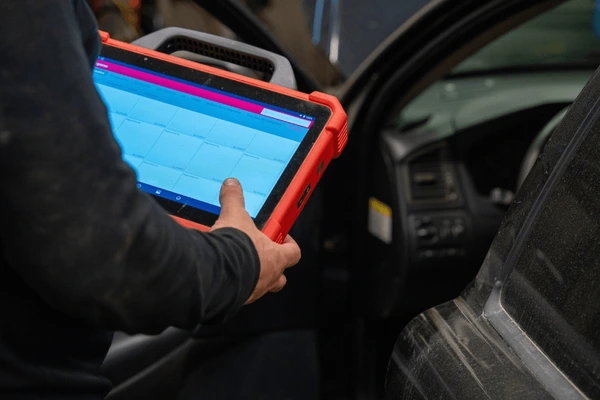
If the dashboard reports 40,000 miles but the ABS log shows 110,000, the data chain is broken. Furthermore, checking the DOT timestamp on tires and the wear on high-touch surfaces (pedal rubbers, steering wheel texture) provides the physical ground truth that digital exploits cannot erase.
Conclusion
Are people rolling back electronic speedometer units? Yes, and the methods are increasingly sophisticated. Digital infallibility is a myth; the odometer is merely a UI representation of a vulnerable data stream. Protecting yourself requires a forensic approach: cross-referencing VIN history, auditing shadow modules via high-end scanners, and never trusting a digital display without physical verification.